 Skip to content

TL;DR:
- Not all weight loss indicates health improvements; unintentional or rapid loss can signal underlying medical issues.
- Recognizing warning signs like fatigue, hair loss, and hormonal changes is essential to prevent long-term damage.
Losing weight feels like a win. The scale drops, clothes fit better, and compliments roll in. But not every drop in body weight is a sign of progress. Some weight loss patterns are red flags, not victories. Unintentional or rapid weight loss may indicate health concerns rather than improvement, and millions of people miss these signals until real damage is done. This guide breaks down exactly what to watch for, why it matters, and what steps you can take to protect your health while still reaching your goals.
Table of Contents
- Why not all weight loss is healthy
- Key signs of unhealthy weight loss
- Medical risks of ignoring unhealthy weight loss
- What to do if you notice signs of unhealthy weight loss
- Why healthy weight loss is about more than the scale
- Personalized tools and meal plans to support safe, lasting results
- Frequently asked questions
Key Takeaways
| Point | Details |
|---|---|
| Not all weight loss is healthy | Rapid or unintentional weight loss can be a sign of underlying health issues. |
| Warning signs include fatigue and illness | Persistent tiredness, frequent illness, or hair loss are red flags for unhealthy weight loss. |
| Pay attention to changes | Mood shifts, menstrual changes, or muscle loss should alert you to seek guidance. |
| Take action early | Prompt steps and medical advice can prevent serious complications. |
| Personalized support matters | Custom meal plans and expert help make safe, sustainable weight management possible. |
Why not all weight loss is healthy
To understand why spotting unhealthy weight loss matters, let’s first clarify what sets it apart from safe, intentional weight reduction.
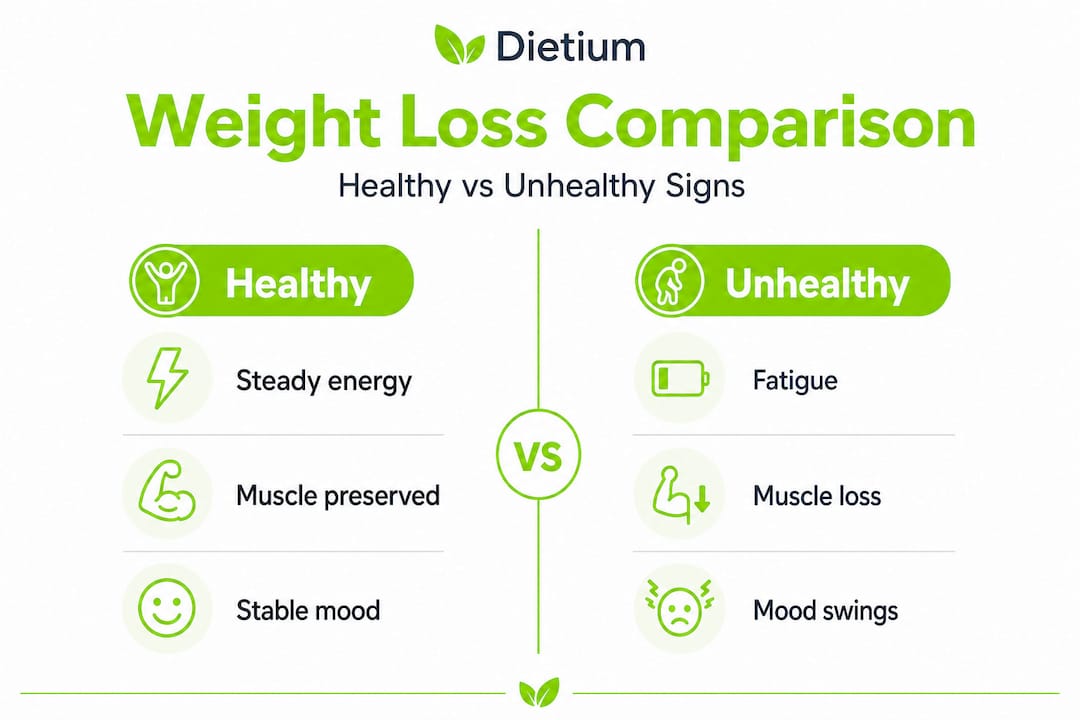
Healthy weight loss is gradual, planned, and structured around fueling your body well. It preserves lean muscle, keeps your energy steady, and supports mental clarity. You lose fat while maintaining strength, and your mood stays relatively stable throughout the process. Most importantly, healthy weight loss feels sustainable.
Unhealthy weight loss works differently. It tends to be fast, unintentional, or driven by extreme restriction. Instead of losing fat, your body starts burning muscle tissue and depleting nutrient stores. The result is fatigue, frequent illness, irritability, and a cascade of physical symptoms that signal something is wrong. Recognizing healthy weight loss signs is just as important as recognizing the harmful ones.
One of the most common misconceptions is that any lower number on the scale equals success. This thinking drives people toward crash diets, extreme fasting, and other methods that promise fast results but carry serious risks. The goal should always be fat loss while maintaining muscle mass, not simply a lower body weight number.
“Unintentional or very rapid weight loss may indicate health concerns rather than improvement, not a sign that your plan is working.” Understanding the safe rate of weight loss is the foundation of any effective and sustainable approach.
Key differences between healthy and unhealthy weight loss:
- Healthy: Gradual loss of 1 to 2 pounds per week, with consistent energy levels and stable mood
- Healthy: Intentional changes in diet and activity, with no extreme restriction
- Unhealthy: Losing 5 or more pounds per week without significant dietary changes
- Unhealthy: Constant fatigue, dizziness, or brain fog that follows weight loss
- Unhealthy: Hair falling out, skin changing, or nails becoming brittle
Pro Tip: Step off the scale once a week and instead rate how you feel physically and mentally. Energy levels, strength during workouts, and sleep quality are far more reliable indicators of healthy progress than daily weight fluctuations.
Key signs of unhealthy weight loss
With the differences established, the next step is learning to spot specific warning signs your body might show.
Your body communicates clearly when weight loss is harming it. The problem is that many of these signals get dismissed as “part of the process” or chalked up to temporary adjustment. Persistent symptoms are never something to ignore. Symptoms like dizziness, hair loss, fatigue, and irregular periods may point to unsafe weight loss happening in real time.
Here are the most critical warning signs to watch for:
- Persistent fatigue: Feeling exhausted every day, even after adequate sleep, suggests your body is not getting enough fuel or key nutrients
- Hair loss: Losing clumps of hair or noticing significant thinning is a reliable signal of nutritional deficiency, particularly in protein, iron, or zinc
- Frequent illness: Getting sick more often than usual points to a weakened immune system, often caused by calorie restriction or poor nutrient intake
- Muscle wasting: If you feel physically weaker or notice muscle loss alongside the scale dropping, your body is breaking down lean tissue for fuel
- Loss of menstruation: Women who stop having periods during a weight loss phase are experiencing a serious hormonal disruption linked to low calorie intake
- Mood changes: Increased irritability, anxiety, or depression can be caused by blood sugar instability and inadequate intake of key nutrients like magnesium and B vitamins
- Skin and nail changes: Dry, flaky skin or brittle nails signal that your body is not absorbing enough fat and micronutrients
Understanding the difference between weight loss versus fat loss is essential here, because muscle loss and water loss can mimic fat loss on the scale while actually worsening your body composition.
| Sign | Healthy weight loss | Unhealthy weight loss |
|---|---|---|
| Energy levels | Steady or improved | Chronically low or crashing |
| Hair | No significant change | Noticeable thinning or shedding |
| Menstruation | Regular and consistent | Irregular or absent |
| Skin and nails | Healthy and hydrated | Dry, brittle, or discolored |
| Mood | Stable or improved | Irritable, anxious, or depressed |
| Immune function | Normal | Frequent colds or infections |
| Muscle strength | Maintained or increased | Noticeably weaker |
Research consistently shows that adults who lose weight too quickly, particularly through very low calorie diets (under 800 calories daily), face significantly higher rates of gallstone formation, nutrient deficiencies, and metabolic slowdown. These are not minor inconveniences. They are medical events that can take months or years to fully recover from. Avoiding common weight loss mistakes starts with understanding that speed is never the goal.

Medical risks of ignoring unhealthy weight loss
Recognizing the issues is vital, but understanding what’s at stake if you ignore them is even more crucial.
When warning signs go unaddressed, short-term discomfort can escalate into serious medical conditions. Many people push through symptoms thinking things will “balance out,” but the body has limits. Unhealthy weight loss can lead to serious issues including nutrient deficiencies, weakened immunity, and even heart complications.
Here are the primary medical risks, ranked by how quickly they can develop:
- Anemia: Iron and B12 deficiencies from poor intake cause low red blood cell counts, leaving you breathless, pale, and exhausted. This can develop within weeks of restrictive eating.
- Weakened immune function: Calorie and protein restriction reduce the body’s ability to fight infection. You become more vulnerable to viruses, bacteria, and slow-healing wounds.
- Electrolyte imbalances: Rapid weight loss, especially with vomiting or extreme restriction, strips potassium, sodium, and magnesium from the body. This can trigger heart arrhythmias (irregular heartbeat), a condition that can be life-threatening.
- Infertility and hormonal disruption: In both men and women, extreme calorie deficits suppress reproductive hormones, making conception difficult and increasing the risk of long-term hormonal dysregulation.
- Mental health deterioration: Malnutrition directly affects brain chemistry. Deficiencies in omega-3 fatty acids, B vitamins, and magnesium are linked to depression and anxiety disorders.
- Bone density loss: Inadequate calcium and vitamin D intake, combined with low estrogen in women, accelerates bone loss and raises osteoporosis risk significantly.
- Chronic fatigue syndrome: Prolonged undernourishment can cause lasting fatigue that doesn’t resolve even after nutritional recovery.
| Medical complication | Primary cause | Timeline |
|---|---|---|
| Anemia | Iron/B12 deficiency | Weeks |
| Heart arrhythmia | Electrolyte loss | Days to weeks |
| Infertility | Hormonal disruption | Weeks to months |
| Bone density loss | Calcium/estrogen deficit | Months |
| Immune suppression | Protein/calorie deficit | Weeks |
| Mental health decline | Nutrient deficiencies | Weeks to months |
Research also shows a direct connection between weight loss and pain in musculoskeletal areas. While intentional, gradual fat loss can reduce joint strain, rapid or uncontrolled loss that includes muscle wasting can actually worsen pain by reducing the support structure around vulnerable joints.
“Early action is the most powerful tool you have. Waiting until symptoms become severe dramatically reduces how quickly you can recover and how completely your body can heal.”
Following healthy weight loss strategies from the beginning protects you from crossing the line into medically risky territory. The sooner a problem is caught, the easier it is to correct.
What to do if you notice signs of unhealthy weight loss
Knowing the risks makes action imperative. Here’s how to respond if you or someone you know faces these warning signs.
The good news is that most early-stage symptoms from unhealthy weight loss are reversible. Acting quickly and systematically gives your body the best chance to recover without long-term consequences. Monitoring your health and seeking guidance quickly can prevent further complications from unhealthy weight loss.
Follow these steps in order:
- Track your symptoms in detail. Write down what you experience each day, including fatigue level, mood, any physical changes, sleep quality, and food intake. This log gives healthcare providers a clear picture of your patterns without relying on memory.
- Review your current diet and activity plan. Look honestly at your calorie intake and whether you are meeting basic nutritional needs. If you are eating fewer than 1,200 calories per day (women) or 1,500 (men) without medical supervision, that is a red flag.
- Stop or reduce extreme measures immediately. If you are following a very low calorie diet, extreme fasting protocol, or punishing exercise routine, pause it. Continuing while experiencing symptoms makes recovery harder.
- Consult a healthcare provider. Book an appointment with your doctor and bring your symptom log. Request blood work to check iron, B12, thyroid function, electrolytes, and hormonal levels. These panels reveal what is happening internally.
- Work with a registered dietitian. A dietitian can identify where your current plan falls short and build a corrective approach that restores nutritional balance while still supporting your weight goals.
- Set more realistic, sustainable goals. Use resources like setting realistic weight loss goals to recalibrate your expectations and build a plan that serves your long-term health.
- Track your recovery progress. Once changes are made, monitor how your body responds over four to six weeks. Energy, hair health, and mood often improve noticeably within that window when nutrition is corrected.
Research also highlights that weight loss and arthritis share a meaningful relationship. When weight reduction is done correctly and gradually, it can genuinely reduce joint inflammation and pain. When it’s done recklessly, the opposite happens. Knowing which path you are on matters enormously.
Pro Tip: Take a photo of your symptom log before each doctor’s appointment and store it in a dedicated folder on your phone. This makes it easy to share a clear timeline with your provider and reduces the chance of key symptoms being overlooked during a short appointment.
Learning how to prevent weight regain is also part of the recovery equation. When people fix an unhealthy approach too rapidly by swinging to high-calorie eating, rebound weight gain becomes likely. A structured, moderate plan protects against both extremes.
Why healthy weight loss is about more than the scale
The scale is one data point. A useful one, but far from the whole story of your health.
One pattern seen repeatedly in the health and nutrition space is people who achieve a goal weight yet feel terrible, look exhausted, and lose strength along the way. By the numbers, they succeeded. By every other measure, they did not. The narrow focus on scale weight is one of the most limiting and potentially harmful mindsets in weight management.
What the scale does not measure is significant. It does not track muscle mass, cardiovascular fitness, bone density, hormonal health, sleep quality, or mental wellbeing. All of those factors can deteriorate while body weight drops, especially when weight loss is rushed. Slow and steady weight loss consistently produces better long-term outcomes, including less muscle loss, fewer nutrient deficiencies, and a far lower rate of weight regain.
Rushed weight loss also has a psychological cost. The restriction cycles, the obsession with numbers, and the physical discomfort of unsustainable methods often trigger disordered eating patterns and a damaged relationship with food. That damage can persist long after the diet ends.
Practical signs of genuine healthy progress include: increased strength during workouts, better sleep quality, stable energy throughout the day, improved mood and mental clarity, and consistent hunger regulation. These markers represent real physiological improvement. They confirm that your body is thriving, not just shrinking.
The most effective weight management approach is one you can maintain for years, not weeks. Building habits around nutrient-dense foods, consistent movement, adequate sleep, and stress management creates a foundation that supports healthy body composition for life. That is the real goal.
Personalized tools and meal plans to support safe, lasting results
If you are ready to make lasting changes and avoid the traps covered in this guide, reliable tools and structured support can help you succeed safely.
Dietium offers a range of evidence-based resources designed specifically for this kind of work. Start with personalized diet planning to build a nutritional framework that matches your specific goals, health history, and lifestyle. From there, explore meal plan personalization to get structured, realistic eating plans that eliminate guesswork and reduce the risk of nutritional gaps. For ongoing monitoring, the health calculators for wellness allow you to track key metrics like BMI, body fat percentage, and calorie needs in real time. Safe, informed progress starts with the right tools working in your favor.
Frequently asked questions
What is considered unhealthy weight loss?
Weight loss is unhealthy when it is rapid or unintentional or results in symptoms like persistent fatigue, frequent illness, or mood changes that disrupt daily functioning.
What are early warning signs that weight loss isn’t healthy?
Early signs include ongoing tiredness, hair loss, frequent sickness, and changes in mood or menstrual cycle. Fatigue, hair loss, and period changes are some of the most consistent and earliest signals that weight loss has become harmful.
How quickly is too fast for weight loss?
Losing more than 1 to 2 pounds per week is typically considered unsafe for most adults. Safe weight loss stays within that range to preserve muscle mass and prevent nutrient depletion.
Can unhealthy weight loss cause long-term damage?
Yes. Ignoring symptoms can result in lasting problems like anemia, weakened immunity, or heart issues. Unhealthy weight loss that goes unaddressed has documented links to chronic health complications.
When should you see a doctor about weight loss?
Seek medical advice if weight loss is rapid, unexplained, or accompanied by new physical symptoms. Rapid and unintentional weight loss deserves prompt professional evaluation to rule out underlying conditions.


