 Skip to content

Most Americans and urban millennials face a constant stream of confusing advice about healthy weight loss. With nearly 67 percent of adults struggling to maintain a healthy weight, busting common myths becomes critical for anyone seeking real, sustainable results. This article gives science-backed strategies and reveals why understanding physical changes, energy shifts, and warning signs matters far more than focusing on the scale alone.
Table of Contents
- Defining Healthy Weight Loss And Common Myths
- Visible Body Changes Beyond The Scale
- Energy, Mood, And Appetite Shifts
- Steady Progress: What Is Safe And Sustainable
- Common Pitfalls And Warning Signs To Avoid
Key Takeaways
| Point | Details |
|---|---|
| Holistic Approach to Weight Loss | Sustainable weight loss involves gradual lifestyle changes rather than extreme dieting or exercise. Focus on balanced nutrition and consistent activity for overall health. |
| Measurement Beyond the Scale | Track body composition and energy levels, not just weight, to gain a comprehensive view of health progress. Body changes like muscle tone and energy stabilization are crucial indicators. |
| Mental and Emotional Well-being | Weight loss influences mood and energy levels, enhancing overall psychological health. Maintaining a journal can help recognize and celebrate non-scale victories. |
| Recognizing Warning Signs | Be aware of symptoms like fatigue and mood swings, as they may indicate unhealthy strategies. Regular self-assessment of physical and psychological health is advisable. |
Defining Healthy Weight Loss and Common Myths
Healthy weight loss goes far beyond simply dropping numbers on a scale. It represents a holistic transformation involving sustainable lifestyle modifications that enhance overall physical and metabolic health. Understanding realistic weight loss approaches requires dismantling popular misconceptions that often derail genuine progress.
Contrary to widespread belief, successful weight loss isn’t about extreme dieting or punishing exercise regimens. Medical experts emphasize that sustainable weight reduction involves gradual, consistent changes in nutrition, physical activity, and behavioral patterns. Each individual’s journey differs based on metabolic rate, genetic predispositions, and environmental factors. The most effective strategies focus on creating balanced, nutritionally dense meal plans and developing consistent movement habits that support long-term wellness.
Numerous myths persistently undermine healthy weight management efforts. Some common misconceptions include believing that rapid weight loss equals success, assuming a one-size-fits-all approach works for everyone, and thinking willpower alone determines outcomes. Healthcare professionals consistently warn that weight loss is a complex process influenced by multiple interconnected physiological and psychological factors beyond simple calorie counting.
Pro tip: Create a personalized wellness tracking system that measures progress through multiple metrics like energy levels, body composition, and overall fitness, not just weight on a scale.
Visible Body Changes Beyond the Scale
Healthy weight loss manifests through numerous transformative body changes that extend far beyond simple numerical reductions. Cellular-level tissue remodeling reveals profound metabolic improvements that signal genuine health progress, demonstrating that true wellness encompasses more than just weight measurements.
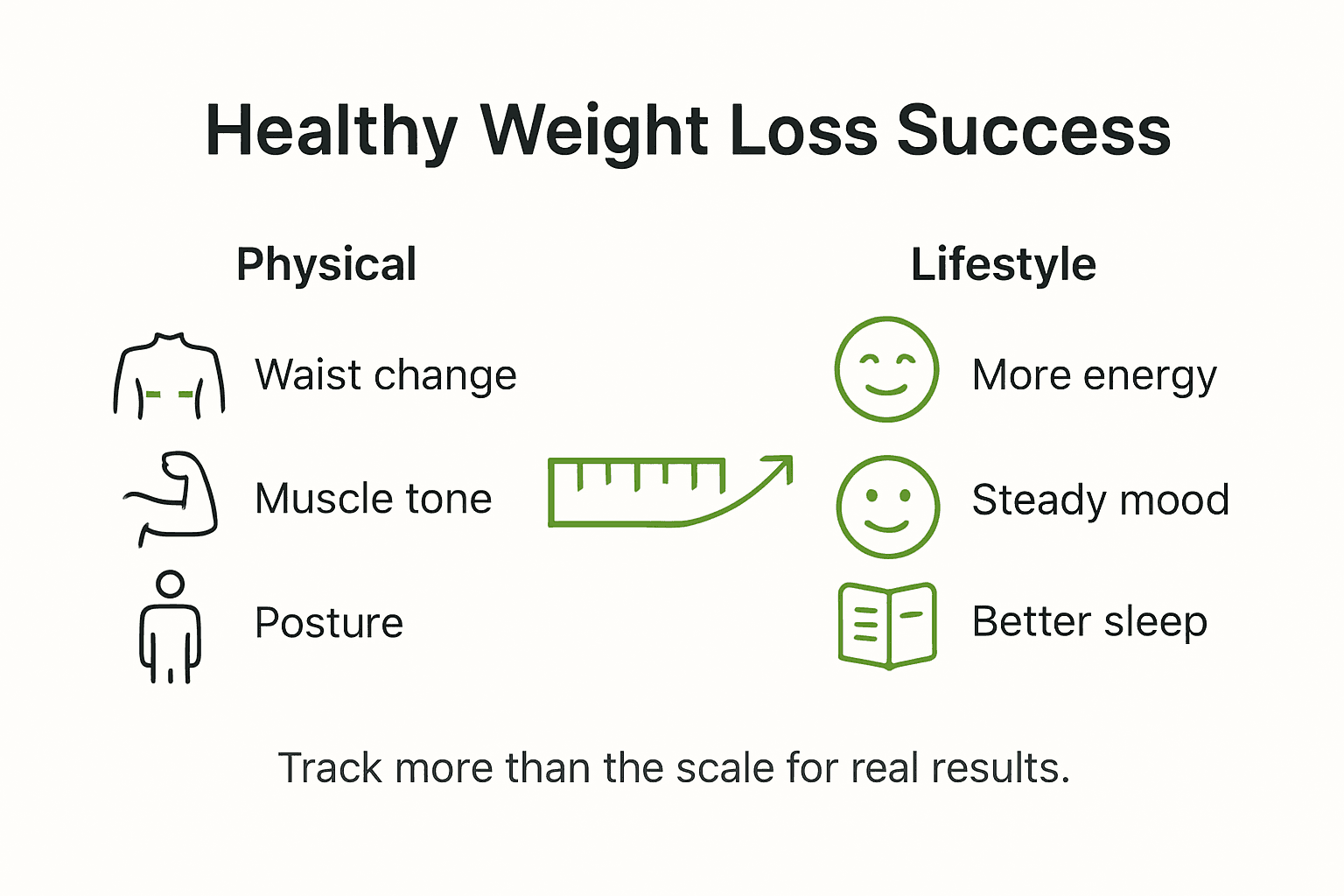
Beyond weight, significant body changes include muscle tone refinement, improved posture, enhanced muscle definition, and increased overall physical endurance. These transformations reflect deeper physiological adaptations occurring within the body. Muscle mass development, reduced body fat percentage, and improved flexibility become tangible indicators of successful health optimization. Individuals often notice increased energy levels, more stable blood sugar, and improved cardiovascular performance as critical signs of meaningful metabolic recalibration.
Visual body composition shifts provide nuanced insights into health progression. Changes in body measurements like waist circumference, hip-to-waist ratio, and muscle-to-fat proportion offer more comprehensive wellness indicators than traditional scale readings. Tracking these metrics reveals how lifestyle modifications positively impact overall physiological function, highlighting the intricate relationship between nutritional habits, physical activity, and bodily transformation.

Pro tip: Invest in body composition measurements using tools like skinfold calipers or bioelectrical impedance analysis to track progress more accurately than traditional weight scales.
Here’s a summary of physical indicators to track for healthy weight loss beyond just the scale:
| Indicator | What It Measures | Why It Matters |
|---|---|---|
| Muscle Tone | Shape and firmness | Shows gains in strength and fitness |
| Body Fat Percentage | Fat vs muscle ratio | Reveals metabolic health and progress |
| Waist Circumference | Abdominal size | Indicates visceral fat risk reduction |
| Posture Improvement | Alignment and stance | Reflects core strength and flexibility |
| Energy Levels | Daily vitality | Sign of improved metabolism |
Energy, Mood, and Appetite Shifts
Comprehensive lifestyle interventions demonstrate profound connections between weight loss and psychological well-being, revealing how metabolic changes deeply influence emotional and physiological states. Healthy weight loss triggers a cascade of hormonal and neurochemical shifts that extend far beyond physical appearance, fundamentally transforming an individual’s energy levels, mood regulation, and appetite control.
As individuals progress through their weight loss journey, they often experience remarkable changes in metabolic responsiveness. Energy levels become more stable and consistent, replacing the previous pattern of sudden fatigue and unpredictable hunger cycles. Hormones like leptin and ghrelin recalibrate, leading to more balanced appetite signals and reduced emotional eating triggers. Many people report increased mental clarity, improved concentration, and a more positive emotional outlook as their body composition and nutritional intake normalize.
The psychological benefits of sustainable weight loss are equally significant. Clinical research indicates that weight management can dramatically improve decision-making capabilities, emotional regulation, and overall mental health. Individuals frequently describe feeling more confident, experiencing reduced anxiety, and developing a more resilient approach to personal challenges. These transformations stem from complex interactions between metabolic health, hormonal balance, and neurological functioning.
Pro tip: Maintain a daily mood and energy journal to track the subtle yet profound psychological changes accompanying your weight loss journey, helping you recognize non-scale victories and maintain motivation.
Steady Progress: What Is Safe and Sustainable
Healthy weight loss is fundamentally about creating consistent, manageable transformations that respect the body’s natural adaptive processes. Understanding the safe rate of weight loss requires recognizing that sustainable progress typically ranges between 1 to 2 pounds per week, a benchmark that prevents metabolic disruption and supports long-term health maintenance. This measured approach allows the body to adjust gradually, preserving muscle mass while reducing fat stores systematically.
Sustainable weight loss strategies prioritize holistic lifestyle modifications over quick fixes. Metabolic adaptation plays a crucial role in determining individual progress, meaning that personalized approaches matter more than universal formulas. Factors like age, starting body composition, hormonal balance, and existing health conditions significantly influence weight loss trajectories. Successful individuals focus on creating consistent nutritional habits, developing regular physical activity routines, and maintaining psychological resilience throughout their transformation.
The most effective weight loss journeys incorporate comprehensive tracking mechanisms that go beyond simple scale measurements. This includes monitoring body composition, energy levels, sleep quality, and overall functional fitness. By embracing a multidimensional perspective, individuals can appreciate incremental progress and maintain motivation during their health optimization process. Sustainable weight loss is not about perfection but about creating lasting, positive lifestyle changes that support long-term well-being.
Pro tip: Create a personalized progress dashboard that tracks multiple health metrics simultaneously, helping you recognize success beyond traditional weight measurements.
Consider these approaches for sustainable, safe progress when managing weight:
| Approach | Benefits | Potential Risks |
|---|---|---|
| Gradual Weekly Loss | Maintains muscle, metabolic health | Frustration if goals seem slow |
| Holistic Lifestyle Change | Supports whole-body wellness | Requires more commitment |
| Personalized Tracking | Tracks full health picture | May need access to measurement tools |
| Extreme Diets | Rapid scale drops (short-term) | Muscle loss, fatigue, burnout |
Common Pitfalls and Warning Signs to Avoid
Behavioral weight loss patterns reveal critical insights into the psychological and physiological challenges that can derail healthy transformation efforts. Understanding these potential obstacles is crucial for developing resilient, sustainable approaches to personal health optimization. Successful individuals learn to recognize and navigate these complex pitfalls before they become significant roadblocks to progress.
Several warning signs demand immediate attention during weight loss journeys. Metabolic disruption can manifest through extreme fatigue, persistent hunger, muscle weakness, and unpredictable mood fluctuations. These symptoms often indicate that current strategies might be too aggressive or nutritionally imbalanced. Individuals should be particularly cautious about rapid weight changes, extreme dietary restrictions, and workout routines that cause persistent exhaustion rather than energizing the body. Warning signs like unexplained weight plateaus, constant cravings, and diminishing physical performance suggest the need for a comprehensive approach reassessment.
Critical health warning indicators extend beyond physical symptoms to include psychological signals. Developing an unhealthy relationship with food, experiencing persistent anxiety about eating, or becoming overly fixated on weight measurements can signal problematic weight loss strategies. These psychological red flags often accompany unsustainable approaches that prioritize quick results over holistic health. Successful weight management requires a balanced perspective that values overall well-being, mental health, and gradual, consistent progress.
Pro tip: Conduct a monthly self-assessment reviewing your physical, nutritional, and psychological health metrics to proactively identify and address potential weight loss strategy challenges.
Achieve Real Signs of Healthy Weight Loss with Personalized Support
Recognizing the true signs of healthy weight loss involves more than just watching numbers drop on a scale. This article highlights important challenges like understanding metabolic changes, tracking body composition, and maintaining steady progress without falling into common pitfalls. If you are striving to see visible muscle tone, improved energy, and balanced appetite while avoiding rapid setbacks or burnout, then tailored guidance becomes essential.
At Dietium, we understand these goals and offer smart solutions that help you monitor multiple health indicators alongside your weight. Our advanced AI-powered Recipians app creates custom meal plans and fitness routines aligned with your unique body metrics and lifestyle. With tools designed for tracking body fat, BMI, and calorie needs, plus instant access to video consultations and seamless device integration, you can embrace a data-driven approach to sustainable wellness. Explore expert-backed nutrition insights and keep motivated by focusing on non-scale victories.
Start experiencing wholesome transformation today by visiting Recipians. Take control of your journey with personalized meal planning, comprehensive health tracking, and fitness guidance that evolves with you. Discover how practical, evidence-based support at Dietium’s platform can empower your success and celebrate healthy progress your way.
Frequently Asked Questions
What are the signs of healthy weight loss?
Healthy weight loss is indicated by gradual drops in weight, increased muscle tone, improved energy levels, enhanced mood, and better overall physical endurance. Tracking body measurements and composition can provide insights beyond just the scale.
How much weight loss per week is considered healthy and sustainable?
A safe and sustainable weight loss rate is typically between 1 to 2 pounds per week. This approach allows the body to adapt naturally, preserving muscle mass while reducing fat.
What factors influence successful weight loss?
Successful weight loss is influenced by multiple factors including metabolic rate, genetic predispositions, age, starting body composition, and existing health conditions. Personalized approaches tend to yield the best results.
How can I track progress in my weight loss journey beyond the scale?
Instead of relying solely on the scale, track various metrics like body composition, energy levels, waist circumference, and improvements in physical fitness. Keeping a journal for these indicators helps recognize overall health improvements.


