 Skip to content

More than 45 million American adults attempt to lose weight every year, yet most struggle to keep the pounds off. The journey is filled with myths, confusing trends, and small mistakes that can make progress feel impossible. Uncovering what really holds many American individuals back from reaching their goals can lead to smarter, longer-lasting results built on science and healthy habits.
Table of Contents
- Defining Common Weight Loss Mistakes
- Recognizing Crash Dieting and Restrictive Habits
- Misunderstanding Calories, Macros, and Nutrient Needs
- Inaccurate Tracking and Progress Measurement Issues
- Neglecting Lifestyle, Stress, and Sleep Factors
Key Takeaways
| Point | Details |
|---|---|
| Avoid Extreme Diets | Crash diets may offer quick results but often lead to long-term metabolic issues and nutritional deficiencies. A balanced approach is essential for sustainable weight management. |
| Focus on Nutrient Quality | Prioritize whole, nutrient-dense foods over merely counting calories or macronutrients to support overall health and effective weight loss. |
| Incorporate Comprehensive Tracking | Use multiple methods such as body measurements and progress photos for a more accurate assessment of weight loss progress beyond the scale. |
| Manage Stress and Sleep | Prioritizing quality sleep and effective stress management are crucial, as they directly influence appetite and metabolic health. |
Defining Common Weight Loss Mistakes
Weight loss is a complex journey where subtle missteps can dramatically undermine your progress. Many individuals unknowingly sabotage their own efforts through common misconceptions and ineffective strategies. Understanding weight loss mistakes requires recognizing the nuanced behaviors that prevent sustainable results.
The most prevalent weight loss mistakes often stem from misguided assumptions about nutrition, metabolism, and exercise. Skipping meals, for instance, might seem like a quick way to reduce calorie intake, but it actually slows metabolic rate and triggers compensatory overeating. Similarly, relying exclusively on restrictive diets or trendy quick-fix solutions can lead to nutritional deficiencies and unsustainable weight management. Research indicates that extreme approaches typically result in short-term losses followed by rapid weight regain.
Additionally, people frequently underestimate portion sizes and overestimate their physical activity levels. Visual distortion, emotional eating triggers, and lack of nutritional education contribute to these miscalculations. Successful weight loss demands a holistic approach that integrates balanced nutrition, consistent exercise, mindful eating habits, and realistic goal setting. Understanding these common pitfalls allows individuals to develop more strategic, sustainable approaches to achieving their health and fitness objectives.
Recognizing Crash Dieting and Restrictive Habits
Crash diets represent one of the most dangerous and counterproductive approaches to weight loss, promising rapid results while setting individuals up for long-term metabolic challenges. Restrictive eating patterns can dramatically increase the risk of binge eating and create complex psychological relationships with food that undermine sustainable health goals.
The physiological consequences of crash diets are profound and multifaceted. Extreme calorie restriction triggers the body’s survival mechanisms, causing metabolic slowdown and increased cortisol production. Nutritionists warn that these diets often lead to significant nutrient deficiencies, muscle loss, and a decreased metabolic rate. When the body perceives severe food scarcity, it becomes hyper-efficient at storing calories, making future weight loss increasingly difficult.

Psychologically, crash diets create a destructive cycle of deprivation and potential binge eating. People following restrictive meal plans frequently experience intense food cravings, emotional distress, and feelings of failure when unsustainable diet approaches inevitably collapse. Developing a balanced, holistic approach to nutrition requires understanding that healthy weight management is about consistent, moderate changes rather than extreme, short-term interventions. Successful weight loss integrates balanced nutrition, regular physical activity, and mindful eating practices that support long-term metabolic health and personal well-being.
Misunderstanding Calories, Macros, and Nutrient Needs
Successful weight loss is far more complex than simply counting calories or avoiding fat. Choosing low-fat or ‘diet’ foods can actually increase hunger and calorie intake, creating a counterproductive approach to nutrition that undermines long-term health goals. Understanding the intricate balance of macronutrients and nutrient density is crucial for sustainable weight management.
Many individuals mistakenly believe that calorie reduction alone guarantees weight loss, overlooking the critical role of macronutrient composition. Protein, carbohydrates, and fats each play unique metabolic roles that impact energy expenditure, muscle preservation, and hormonal balance. Extreme calorie restriction can trigger metabolic adaptation, causing the body to conserve energy and potentially slow down weight loss. This metabolic slowdown means that simply eating less does not automatically result in continued fat loss.
Nutrient needs extend beyond basic calorie counting, requiring a sophisticated understanding of food quality and metabolic impact. A diet focused on whole, nutrient-dense foods provides essential vitamins, minerals, and micronutrients that support metabolism, muscle function, and overall health. Strategic macro and micronutrient intake helps maintain muscle mass, regulate hormones, and support energy levels during weight loss. By prioritizing nutrient quality over calorie quantity, individuals can create a more sustainable and effective approach to achieving their health and fitness objectives.
Inaccurate Tracking and Progress Measurement Issues
Weight loss tracking is fraught with potential measurement errors that can derail motivation and progress. Electronic food and nutrition tracking tools often produce inconsistent and unreliable data, creating significant challenges for individuals attempting to monitor their health metrics accurately. These inconsistencies can lead to misguided assumptions about dietary intake and weight management strategies.
Many people rely exclusively on scale weight as their primary progress indicator, overlooking crucial measurement techniques that provide a more comprehensive view of body composition. Body measurements such as waist circumference, muscle mass, and body fat percentage offer more nuanced insights into physical transformation. Simple scale weight fails to distinguish between muscle gain, fat loss, water retention, and other physiological changes that significantly impact overall health and fitness progress.
Successful tracking requires a multifaceted approach that goes beyond numeric measurements. Individuals should incorporate multiple assessment methods, including progress photos, performance metrics, energy levels, and how clothing fits. Psychological factors like mood, sleep quality, and overall well-being are equally important indicators of health progress. By developing a holistic tracking strategy that considers both quantitative and qualitative measurements, people can create a more accurate and motivating approach to their weight loss journey, reducing frustration and increasing long-term success potential.
Neglecting Lifestyle, Stress, and Sleep Factors
Weight loss is dramatically more complex than simple diet and exercise, with lifestyle factors playing a critical role in metabolic health and body composition. Understanding lifestyle changes can significantly impact health outcomes, revealing that stress, sleep quality, and daily routines are fundamental to successful weight management.
Chronic stress triggers hormonal cascades that directly sabotage weight loss efforts. Elevated cortisol levels, produced during prolonged stress periods, promote insulin resistance, increase appetite, and encourage fat storage, particularly around the abdominal region. Individuals experiencing high stress often engage in emotional eating, consume more processed foods, and struggle to maintain consistent exercise routines. The physiological response to stress creates a complex metabolic environment that makes weight loss significantly more challenging, regardless of dietary restrictions or exercise intensity.
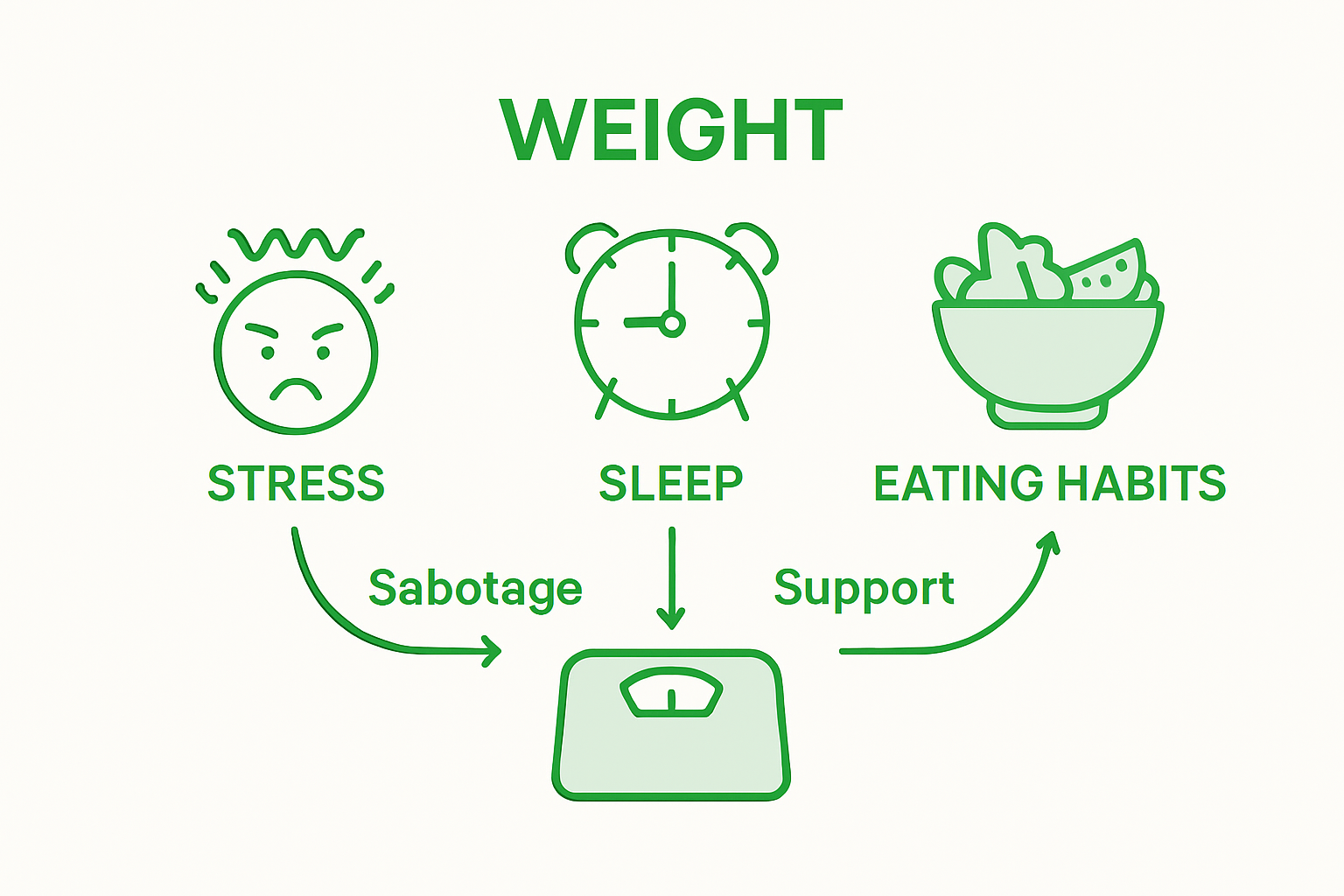
Sleep represents another critical yet frequently overlooked component of weight management. Inadequate sleep disrupts metabolic hormones like ghrelin and leptin, which regulate hunger and satiety. Poor sleep quality leads to increased calorie consumption, reduced metabolic efficiency, and diminished willpower for making healthy nutritional choices. Consistently getting 7-9 hours of quality sleep can help regulate appetite, support muscle recovery, optimize hormone balance, and create a more conducive environment for sustainable weight loss. By prioritizing stress management, sleep hygiene, and holistic lifestyle approaches, individuals can develop a more comprehensive and effective strategy for achieving their health and fitness goals.
Overcome Common Weight Loss Mistakes with Personalized Support
Many people struggle with weight loss due to misunderstandings about nutrition, calorie tracking, and lifestyle factors like stress and sleep. These challenges often lead to frustration and stalled progress. If you want to avoid pitfalls like crash dieting, inaccurate progress measurement, and poor nutrient balance, you need a smarter, evidence-based approach that respects your unique body and goals.
At Dietium.com, our Recipians app offers personalized meal plans and fitness routines designed to fit your lifestyle and nutritional needs. With AI-powered tools for tracking your calories, macros, and body metrics such as BMI and body fat, you gain precise control over your journey. Discover how you can combine balanced nutrition, mindful eating, and data-driven insights to break free from common mistakes. Start transforming your approach today by visiting Dietium Recipians and take the first step toward sustainable results.
Frequently Asked Questions
What are the common weight loss mistakes that can sabotage my progress?
Many common mistakes include skipping meals, relying on crash diets, underestimating portion sizes, and misunderstanding calories and macronutrients. These behaviors can hinder sustainable weight loss and lead to unhealthy eating patterns.
How does crash dieting affect my metabolism?
Crash dieting can slow down your metabolism by triggering the body’s survival mechanisms, leading to hormonal imbalances and potentially causing muscle loss. This makes future weight loss more challenging.
Why is tracking my weight loss progress solely by scale weight not effective?
Relying only on scale weight can be misleading because it doesn’t account for changes in muscle mass, fat loss, or water retention. Incorporating other metrics like body measurements and progress photos offers a more comprehensive view of your progress.
How do lifestyle factors like stress and sleep impact weight loss?
Chronic stress can lead to hormonal changes that promote fat storage and increase appetite, while poor sleep disrupts hunger hormones, making it harder to manage calorie intake. Both factors can significantly affect your weight loss success.
Recommended
- Understanding Weight Loss Plateau Solutions and Their Impact – Dietium
- Understanding Healthy Weight Loss Tips for Sustainable Results – Dietium
- Portion Sizes for Weight Loss: Complete Guide – Dietium
- Effects of Weight Loss on Face: Incredible Face Slimming 2 Sculpt
- The #1 New Year Resolution Women Need to Avoid – Mastering Conflict


