 Skip to content

Physical inactivity causes over 5 million deaths annually worldwide, making it one of the leading global health risks. Many people mistakenly believe exercise only helps with weight loss, but the science tells a different story. Physical activity influences nearly every system in your body, from metabolism and inflammation to brain health and aging. This guide explores the scientifically backed benefits of movement for health, wellness, and longevity, giving you the knowledge to make informed decisions about your activity levels.
Table of Contents
- Understanding The Multifaceted Health Benefits Of Physical Activity
- Physical Activity’s Role In Reducing Mortality And Chronic Disease Risks
- Exercise As A Powerful Tool For Mental Health And Aging
- Optimizing Physical Activity: Variety, Intensity, And Practical Applications
- Explore Dietium’s Personalized Nutrition And Fitness Solutions
- Frequently Asked Questions
Key takeaways
| Point | Details |
|---|---|
| Mortality reduction | Active individuals have 20-40% lower all-cause mortality and 30-40% lower cardiovascular death risk compared to inactive people. |
| Mental health benefits | Supervised exercise significantly reduces depressive symptoms and supports brain health through enhanced neurogenesis and reduced inflammation. |
| Exercise variety matters | Doing diverse types of physical activity lowers mortality risk more effectively than focusing on just one exercise modality. |
| Dose-response relationship | Any amount of activity provides health benefits, though meeting recommended guidelines maximizes risk reduction. |
| Systemic impact | Physical activity positively influences metabolism, insulin sensitivity, inflammation, body composition, and biological aging. |
Understanding the multifaceted health benefits of physical activity
Physical activity functions as a powerful intervention that affects multiple body systems simultaneously. When you move your body regularly, you trigger cascading effects that extend far beyond the muscles doing the work. These adaptations create a foundation for improved health across your lifespan.
Different types of exercise influence weight loss, metabolism, cardiorespiratory function, insulin regulation, inflammation, psychological health, and aging aspects. Understanding these connections helps you appreciate why movement matters so much for overall wellness.
The physiological changes from regular activity include:
- Enhanced metabolic adaptation and weight loss through improved energy regulation
- Better insulin sensitivity that helps prevent conditions like BMI and diabetes
- Reduced systemic inflammation that protects against chronic diseases
- Improved cardiovascular efficiency and oxygen delivery to tissues
- Stronger bones and muscles that maintain function with age
Your body treats physical activity as a positive stressor. In response, it becomes more resilient and efficient. This adaptive process explains why consistent movement creates lasting health improvements rather than temporary changes.
The psychological benefits work through similar mechanisms. Exercise stimulates brain-derived neurotrophic factor production, which supports neuron growth and connectivity. It also modulates stress hormones and neurotransmitters that regulate mood. These changes create measurable improvements in mental well-being and cognitive function.
Pro Tip: Start tracking how different activities make you feel mentally and physically. This awareness helps you identify which movements provide the most comprehensive benefits for your unique situation.
Physical activity’s role in reducing mortality and chronic disease risks
The data linking physical activity to longer life is remarkably consistent across populations and study designs. Active individuals have 20-40% lower risk of all-cause mortality and 30-40% lower cardiovascular mortality compared to their inactive counterparts. These reductions represent some of the largest effect sizes in preventive medicine.
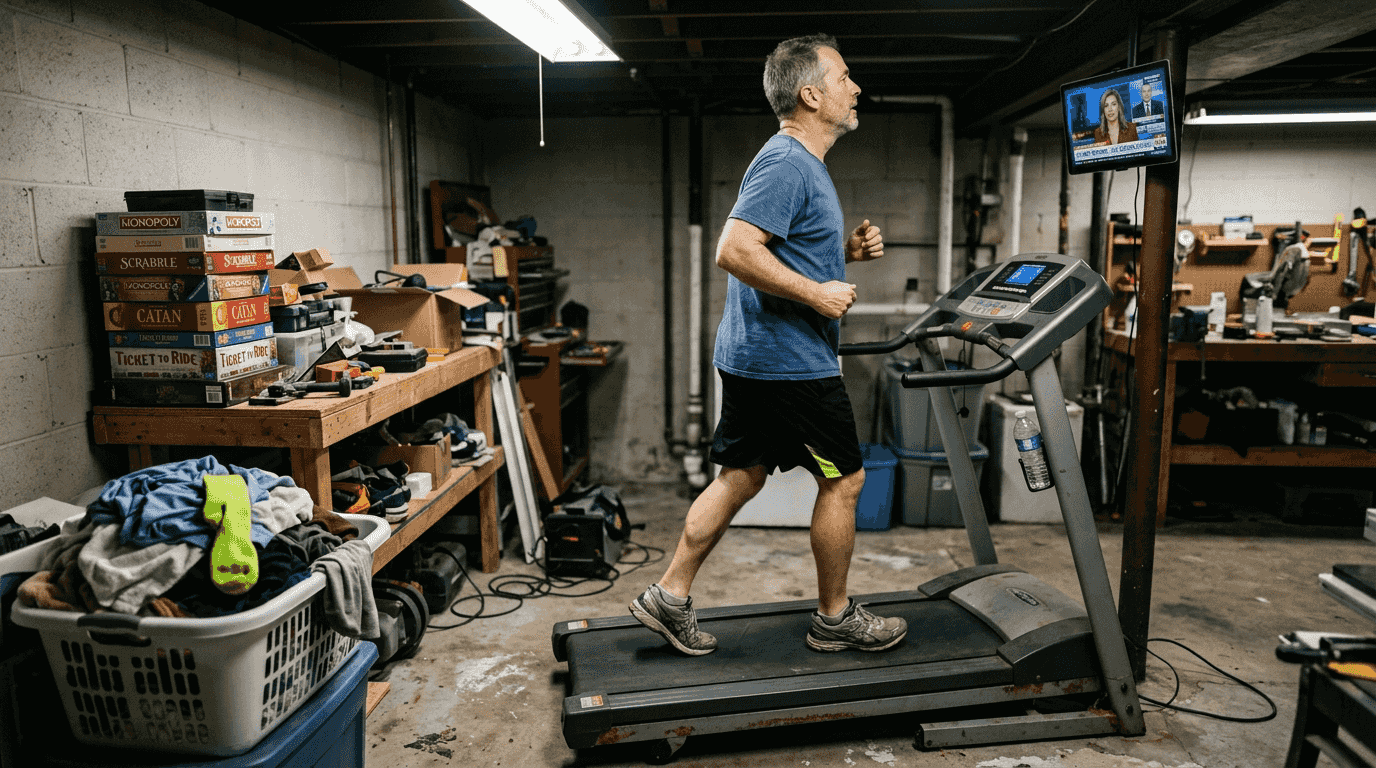
The relationship between activity and health follows a nonlinear pattern. The first increment of movement provides the largest relative benefit. Someone who goes from completely sedentary to doing any regular activity sees dramatic risk reductions. Benefits continue to accumulate with more activity, but at a gradually diminishing rate.
Meeting recommended physical activity guidelines provides substantial risk reductions, but benefits also accrue below guideline levels. This finding matters because it shows that any consistent activity beats none. You don’t need to immediately meet ambitious targets to improve your health outlook.
| Activity Level | All-Cause Mortality Reduction | Cardiovascular Mortality Reduction |
|---|---|---|
| Inactive | Baseline (0%) | Baseline (0%) |
| Some activity (below guidelines) | 15-25% | 20-28% |
| Meeting guidelines | 25-35% | 30-40% |
| Exceeding guidelines | 30-40% | 35-45% |
The protective mechanisms work through multiple pathways:
- Improved blood pressure and lipid profiles reduce cardiovascular strain
- Enhanced glucose metabolism prevents metabolic syndrome progression
- Stronger immune function helps fight infections and cellular damage
- Better body composition reduces mechanical stress on organs
- Improved sleep quality supports recovery and cellular repair
These effects compound over time. Consistent activity in your 20s, 30s, and 40s creates physiological reserves that protect you as you age. Think of it as making deposits into a health savings account that pays dividends throughout your life.
Pro Tip: Focus on consistency over intensity when starting out. Building a sustainable habit of preventing weight regain naturally through regular movement delivers better long-term results than sporadic intense efforts.
Exercise as a powerful tool for mental health and aging
Physical activity’s impact on mental wellness rivals many pharmaceutical interventions without the side effects. Supervised exercise reduces depressive symptoms significantly in adults with depressive disorders, providing a complementary or alternative approach to traditional treatments. The effects appear dose-dependent, with regular sustained activity producing the most consistent improvements.
The mechanisms behind these mental health benefits involve multiple systems. Exercise increases endorphin and endocannabinoid production, creating natural mood elevation. It also reduces cortisol levels and inflammatory cytokines that contribute to depression and anxiety. Over time, these changes rewire neural circuits associated with stress response and emotional regulation.
Movement also protects your brain from age-related decline. Exercise supports brain-muscle-liver axis homeostasis to slow neurodegeneration and aging through coordinated metabolic signaling. This systemic communication helps maintain cognitive function and reduces dementia risk.
Key mental health and aging benefits include:
- Reduced symptoms of anxiety, depression, and psychological stress
- Enhanced neuroplasticity and new neuron formation in memory centers
- Better sleep quality and regulation of circadian rhythms
- Improved self-efficacy and sense of accomplishment
- Slower cognitive decline and reduced neurodegenerative disease risk
- Greater emotional resilience and stress management capacity
The intensity and type of exercise influence these outcomes. Moderate-intensity continuous exercise provides reliable mental health benefits for most people. High-intensity interval training can offer similar advantages in less time but requires careful progression to avoid excessive stress.
Balance matters crucially here. While regular exercise slows aging, excessive training without adequate recovery can accelerate cellular damage through oxidative stress. The goal is finding your sweet spot where activity challenges your body enough to trigger adaptation without overwhelming your recovery capacity.
Pro Tip: Combine physical activity with other healthy habits for synergistic effects. Staying active at home paired with good nutrition and social connection amplifies mental health benefits. Use tools for tracking fitness progress to maintain motivation as you build your routine.
Optimizing physical activity: variety, intensity, and practical applications
Exercise variety provides advantages beyond simply accumulating more total activity. Doing a variety of exercises lowers mortality risk more than focusing on just one type. Different activities challenge your body in unique ways, creating more comprehensive adaptations.
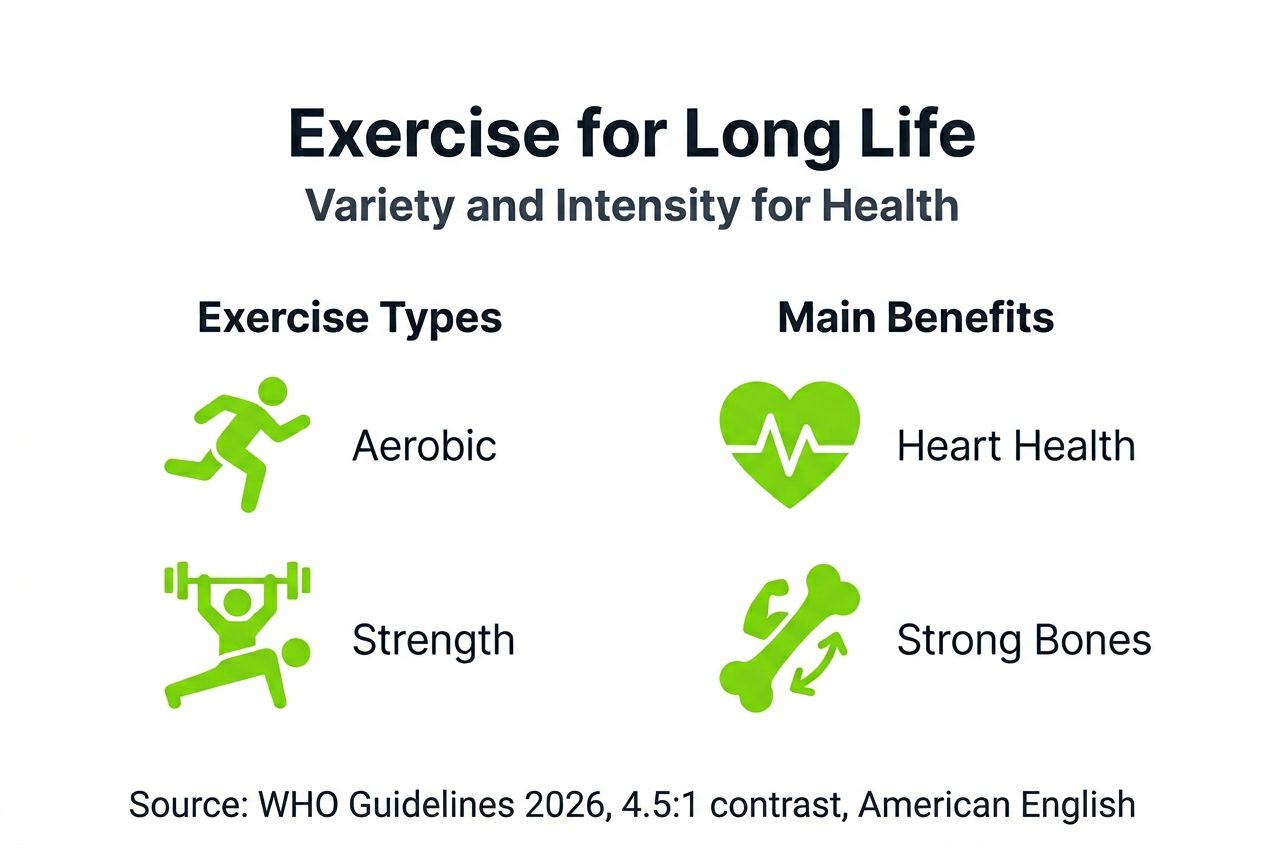
Consider how various exercise modalities create distinct benefits:
| Exercise Type | Primary Benefits | Key Adaptations |
|---|---|---|
| Aerobic (running, cycling) | Cardiovascular health, endurance | Increased VO2 max, mitochondrial density |
| Resistance training | Muscle mass, bone density | Enhanced strength, metabolic rate |
| Flexibility work | Joint mobility, injury prevention | Improved range of motion, tissue health |
| High-intensity intervals | Time efficiency, metabolic boost | Improved insulin sensitivity, fat oxidation |
| Mind-body (yoga, tai chi) | Balance, stress reduction | Better proprioception, autonomic regulation |
Understanding intensity equivalences helps you design effective workouts within your time constraints. Each minute of vigorous activity can equal 156 minutes of light activity for some outcomes. This doesn’t mean you should only do vigorous exercise, but it shows how strategic intensity can maximize benefits when time is limited.
To optimize your physical activity approach:
- Include at least three different exercise types weekly to ensure comprehensive adaptations
- Vary intensity levels throughout the week, mixing moderate continuous efforts with higher intensity intervals
- Prioritize activities you genuinely enjoy to support long-term adherence
- Build progressive overload gradually, increasing challenge by 5-10% weekly at most
- Schedule adequate recovery between intense sessions to prevent maladaptive stress responses
- Incorporate body composition exercises that target multiple muscle groups simultaneously
Your individual response to different activities varies based on genetics, training history, and current fitness level. What works optimally for someone else might not suit your situation. Experiment systematically with different combinations and pay attention to how your body responds.
The key is finding a sustainable mix that fits your lifestyle while challenging you appropriately. Perfect programming matters less than consistent execution over months and years.
Explore Dietium’s personalized nutrition and fitness solutions
Optimizing physical activity works best when paired with proper nutrition tailored to your unique needs and goals. Dietium offers personalized meal plans designed to fuel your active lifestyle and support recovery. Our AI-powered platform creates customized nutrition strategies that complement your exercise routine.
Understanding your current nutritional status helps identify gaps that might limit your progress. Our comprehensive nutritional assessment methods evaluate your dietary patterns and metabolic markers to create targeted recommendations. Combined with tools for tracking fitness progress, you get a complete picture of your health journey. Whether you’re just starting or looking to optimize an established routine, Dietium’s integrated approach helps you achieve lasting results through evidence-based nutrition and fitness guidance.
Frequently asked questions
What is the minimum amount of physical activity needed for health benefits?
Any consistent movement provides measurable health improvements compared to being completely sedentary. Even walking 15-20 minutes daily reduces mortality risk by 10-15%. However, current guidelines recommend at least 150 minutes of moderate-intensity or 75 minutes of vigorous-intensity activity weekly for substantial benefits. Starting with any amount and gradually increasing over time creates the best long-term outcomes.
How does exercise variety impact health outcomes?
Performing diverse types of exercise produces greater mortality reductions than doing only one activity type, even when total exercise volume is similar. Different modalities stress your body in unique ways, creating broader adaptations across cardiovascular, metabolic, musculoskeletal, and neurological systems. Aim to include aerobic exercise, resistance training, and flexibility work weekly for comprehensive benefits.
Can physical activity really improve mental health conditions?
Yes, substantial evidence shows that regular exercise significantly reduces symptoms of depression, anxiety, and stress. Supervised exercise programs produce effects comparable to antidepressant medications for mild to moderate depression. The mechanisms involve neurotransmitter regulation, reduced inflammation, improved sleep, and enhanced self-efficacy. Most people notice mood improvements within 2-4 weeks of starting consistent activity.
What are the risks of remaining physically inactive?
Physical inactivity ranks among the top global mortality risk factors, contributing to over 5 million deaths annually. Sedentary behavior increases your risk of cardiovascular disease, type 2 diabetes, certain cancers, dementia, depression, and premature death. The health consequences of inactivity rival those of smoking. Even if you maintain a healthy weight, lack of regular movement creates metabolic dysfunction and accelerates biological aging.
How much vigorous exercise equals moderate-intensity activity?
Intensity equivalence varies by outcome, but generally each minute of vigorous activity provides benefits similar to 2 minutes of moderate activity for cardiovascular health. For some metabolic outcomes, the ratio can be even higher. This means 75 minutes of vigorous exercise weekly approximates 150 minutes of moderate activity. However, doing some of each intensity level likely provides optimal comprehensive benefits rather than focusing exclusively on one or the other.
Recommended
- elderly people exercise,7 Powerful Exercises for Elderly People Over 60
- Wellness Trends in 2025 – Impact on Healthy Living – Dietium
- Understanding Active Lifestyle Tips for a Healthier You – Dietium
- Staying Active at Home: A Step-by-Step Guide for Busy Adults – Dietium
- 2026’s Best Home Exercises to Boost Chiropractic Results


