 Skip to content

TL;DR:
- Eating a variety of nutrient-dense whole foods supports long-term immune resilience more effectively than supplements.
- A Mediterranean-style diet rich in fruits, vegetables, nuts, legumes, and lean proteins enhances immune function and gut health over time.
Immune boosting foods are nutrient-dense whole foods that supply your body with the vitamins, minerals, and antioxidants it needs to maintain a well-functioning immune system. The more accurate term used in clinical nutrition is “immune-supportive foods,” since no food instantly activates or amplifies immune responses. What these foods do is provide the raw materials your immune system depends on daily. Key nutrients like vitamin C, vitamin D, zinc, and protein are the real drivers here, found in foods like red bell peppers, salmon, and nuts. The research is clear: diet shapes immune resilience over time, not overnight.
What nutrients are in immune boosting foods and where do you find them?
The most studied immune-supportive nutrients are vitamin C, vitamin D, zinc, antioxidants, and protein. Each plays a distinct role, and each is best obtained from whole food sources rather than isolated supplements.
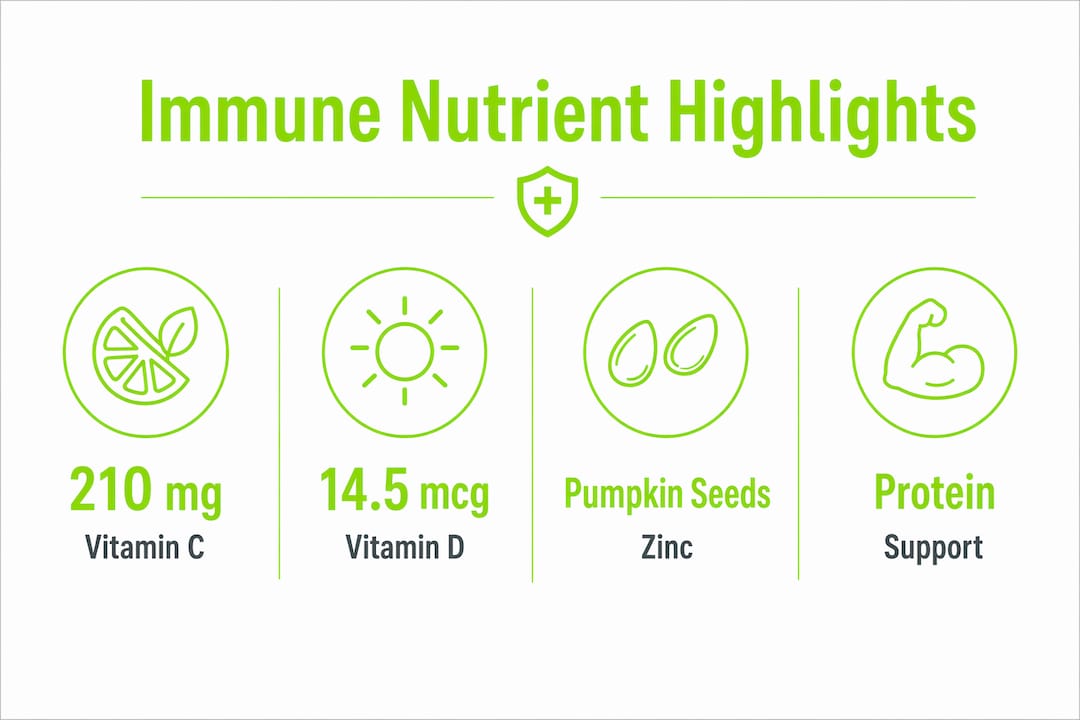
Vitamin C is the nutrient most people associate with immune health, and for good reason. A large red bell pepper contains 210 mg of vitamin C, more than double the standard daily recommendation. That single food delivers more immune-relevant vitamin C than most multivitamins, without the risk of excess intake. Citrus fruits, kiwi, and broccoli are strong secondary sources.
Vitamin D regulates immune cell activity and reduces inflammatory responses. Three ounces of cooked salmon provide 14.5 mcg of vitamin D, fulfilling 97% of the daily recommended intake. That makes fatty fish one of the most efficient foods for immune health available. Egg yolks, fortified dairy, and canned tuna also contribute meaningfully.
Zinc supports the development and communication of immune cells. The best food sources include fish, shellfish, pumpkin seeds, hemp seeds, and legumes. Protein is the structural building block for immune cells themselves. Inadequate protein during illness can cause the body to break down muscle tissue to prioritize immune cell production, making consistent intake non-negotiable.
| Food | Key Nutrient | Amount per Serving |
|---|---|---|
| Large red bell pepper | Vitamin C | 210 mg |
| 3 oz cooked salmon | Vitamin D | 14.5 mcg (97% DV) |
| 1 oz pumpkin seeds | Zinc | 2.2 mg |
| 1 cup cooked lentils | Protein | 18 g |
| 1 cup plain Greek yogurt | Protein + probiotics | 17 g protein |
Pro Tip: Rotate your protein and produce sources weekly. Eating the same five foods repeatedly creates nutrient gaps. Variety across food groups is how you cover the full spectrum of immune-supportive micronutrients without needing a supplement stack.
For plant-based eaters, Dietium’s breakdown of vegan superfoods covers how to hit these nutrient targets without animal products.
How do dietary patterns shape immune health over time?
Individual foods matter, but dietary patterns drive immune resilience more than any single ingredient. A Mediterranean-style diet built around two-thirds plant-based foods and one-third lean protein is the evidence-based standard for long-term immune support. This pattern delivers antioxidants, phytochemicals, fiber, and healthy fats in proportions that support both immune function and gut health simultaneously.
Whole foods like citrus fruits, leafy greens, nuts, legumes, and fermented foods provide a synergistic nutrient profile that isolated supplements cannot replicate. Fermented foods like kefir, kimchi, and plain yogurt introduce beneficial bacteria that influence immune signaling through the gut. This gut-immune connection is one of the more underappreciated mechanisms in nutrition science.
Nutrition does not operate in isolation. The following lifestyle factors work directly alongside your diet to maintain immune function:
- Sleep 7 to 8 hours per night. Adequate sleep and stress reduction are critical for immune defense. Sleep is when your body produces cytokines, the proteins that coordinate immune responses.
- Exercise at moderate intensity for at least 150 minutes per week. Regular physical activity reduces hospitalization risk by 36% and lowers the risk of death by 43%. Exercise promotes immune cell circulation and reduces chronic inflammation.
- Manage stress consistently. Chronic stress elevates cortisol, which suppresses immune function over time. Practices like structured breathing, walking, and adequate rest all reduce this effect.
- Stay hydrated. Water supports lymphatic circulation, which transports immune cells throughout the body. Herbal teas made with ginger or turmeric add mild anti-inflammatory compounds on top of hydration.
For a detailed breakdown of how exercise supports immune health, Dietium’s article on physical activity and longevity covers the current guidelines and mechanisms in depth.
What are the biggest myths about immune boosting foods and supplements?
The phrase “immune boosting” is largely a marketing construct. No food or supplement activates your immune system beyond its normal operating range. What nutrition does is support the conditions your immune system needs to function correctly. This distinction matters because it changes how you make decisions about what to eat and what to buy.
The most common misconceptions worth addressing directly:
- “Taking extra vitamin C prevents colds.” Vitamin C is water-soluble, meaning your body excretes what it cannot use. Megadosing does not create a reserve. Consistent daily intake from food is far more effective than periodic high-dose supplements.
- “Vitamin D supplements are always safe.” Vitamin D is fat-soluble and accumulates in tissue. About 25% of Americans are vitamin D deficient, but supplementation should be guided by a blood test, not guesswork. Excess vitamin D is toxic. Salmon and fortified foods are safer daily sources.
- “Zinc supplements strengthen immunity quickly.” Excessive zinc supplementation inhibits absorption of other minerals, including copper and iron, creating new deficiencies while trying to fix one. Food-based zinc from seeds, legumes, and seafood avoids this problem entirely.
- “Superfoods and detox products reset your immune system.” No clinical evidence supports the idea that any product “detoxes” or “resets” immunity. The liver and kidneys handle detoxification continuously. Marketing language around detox products exploits immune health anxiety without delivering measurable outcomes.
Supplements provide limited benefit for healthy individuals who already eat a varied diet. Supplementation is appropriate when a clinically identified deficiency exists, not as a precautionary measure. Dietium’s resource on evidence-based nutrition explains how to evaluate nutrition claims against the actual research.
Pro Tip: Before buying any immune supplement, check whether you have a confirmed deficiency through a blood panel. Spending money on supplements you do not need does not improve immunity. It just creates expensive urine.
How to add immune-supportive foods to your daily meals
Practical application is where most people stall. Knowing that salmon is rich in vitamin D is useful. Knowing how to get it into a Tuesday dinner is what actually changes your immune health over time.

The most effective approach is building meals around nutrient variety rather than chasing individual superfoods. Aim for color diversity on your plate at every meal. Different pigments in vegetables and fruits signal different antioxidant compounds, and a colorful plate is a reliable proxy for micronutrient coverage.
Here are specific foods and simple ways to use them:
- Red bell peppers: Slice raw for snacks with hummus, or roast and add to grain bowls. Raw peppers retain more vitamin C than cooked ones.
- Salmon: Bake with olive oil and garlic for a 20-minute dinner. Canned salmon works equally well in salads or on whole grain crackers for a quick lunch.
- Pumpkin seeds and hemp seeds: Add to oatmeal, yogurt, or smoothies. Both deliver zinc and plant-based protein without requiring meal prep.
- Lentils and chickpeas: Use as the protein base in soups, stews, or grain bowls. They also provide iron and folate, which support red blood cell production alongside immune function.
- Plain Greek yogurt: Eat as a snack or use as a base for dressings. The live cultures support gut health, which directly influences immune signaling.
- Leafy greens (spinach, kale, Swiss chard): Add to smoothies, eggs, or pasta. These provide folate, vitamin C, and iron in one ingredient.
- Garlic and ginger: Use in cooking as flavor bases. Both contain compounds with documented anti-inflammatory properties, and they make food taste better without adding calories.
Hydration deserves a specific mention. Water, green tea, and ginger-based teas all support immune function through different mechanisms. Green tea contains catechins, antioxidant compounds that have been studied for their role in immune cell activity. Aim for consistent hydration throughout the day rather than large volumes at once.
For families, batch cooking on weekends with these ingredients reduces the daily decision load. A pot of lentil soup, a tray of roasted vegetables, and pre-sliced bell peppers in the refrigerator cover most of the week’s immune-supportive nutrition with minimal daily effort.
Key takeaways
The most effective approach to immune health is consistent, varied whole food nutrition combined with sleep, exercise, and stress management. No single food or supplement replaces this foundation.
| Point | Details |
|---|---|
| Whole foods over supplements | Red bell peppers, salmon, and seeds deliver nutrients more safely than most supplements. |
| Dietary patterns matter most | A Mediterranean-style diet with two-thirds plant foods outperforms any single superfood. |
| Supplement risks are real | Excess zinc and vitamin D can cause toxicity or nutrient imbalances; test before supplementing. |
| Lifestyle multiplies nutrition | Sleep, 150 minutes of weekly exercise, and stress management amplify what food provides. |
| Protein is non-negotiable | Consistent protein intake prevents muscle breakdown and keeps immune cells properly supplied. |
Why I think “immune boosting” is the wrong goal entirely
The term “immune boosting” sets up a false expectation. People hear it and imagine their immune system shifting into a higher gear after eating a handful of blueberries. That is not how immune function works, and chasing that idea leads to poor decisions: buying supplements you do not need, cycling through fad products, and ignoring the boring fundamentals that actually matter.
What I have found, working through nutrition research and tracking how people actually eat, is that the gap between knowing and doing is almost always about complexity. People overcomplicate immune nutrition because the marketing around it is deliberately complicated. The reality is simpler. Eat a wide variety of whole foods, get enough protein, sleep consistently, and move your body regularly. That combination covers the vast majority of what your immune system needs.
The one area where I think people underinvest is protein, particularly during illness or recovery. When you are sick and your appetite drops, protein is the first thing to fall short. Insufficient protein during illness forces the body to cannibalize muscle to supply immune cells. Greek yogurt, lentil soup, and eggs are easy to eat when you feel unwell and cover this gap without requiring a full meal.
The sustainable version of immune nutrition is not a protocol. It is a set of consistent habits that you can maintain without thinking about them. Build those habits first. The results follow.
— Srasti
Build your immune-supportive meal plan with Dietium
Knowing which foods support immune health is the first step. Applying that knowledge consistently across your weekly meals is where most people need structure. Dietium’s personalized diet planning builds meal plans around your specific health goals, dietary preferences, and nutritional needs, including immune health optimization. The Recipians app generates recipe suggestions and shopping lists that make nutrient variety practical rather than theoretical. Whether you are managing recovery, supporting a family, or simply building better habits, Dietium’s tailored meal plans translate the evidence into meals you can actually cook. Start with a gut health improvement plan alongside your nutrition strategy for a more complete approach to immune resilience.
FAQ
What foods are highest in vitamin C for immune health?
Red bell peppers are the single richest food source of vitamin C, with one large pepper providing 210 mg. Kiwi, citrus fruits, broccoli, and strawberries are strong secondary sources.
Can supplements replace immune boosting foods?
Supplements provide limited benefit for healthy individuals who already eat a varied diet. Whole foods deliver nutrients in combinations that supplements cannot replicate, and some supplements carry toxicity risks at high doses.
How much exercise supports immune function?
Current guidelines recommend 150 minutes of moderate-intensity activity per week. Regular exercise at this level reduces hospitalization risk by 36% and lowers mortality risk by 43%.
Is vitamin D deficiency common and how do you fix it?
Approximately 25% of Americans are vitamin D deficient. The safest correction is through food sources like salmon and fortified dairy, with supplementation only when a blood test confirms deficiency.
What is the best dietary pattern for long-term immune resilience?
A Mediterranean-style diet built around two-thirds plant-based foods and one-third lean protein is the evidence-based standard for sustained immune support, providing antioxidants, fiber, and essential micronutrients consistently.


