 Skip to content

Increasing your dietary fiber intake can boost gut microbiome diversity by up to 30% within just a few weeks. Despite this promising statistic, conflicting advice around gut health often leaves people confused about which strategies actually work. This guide cuts through the noise to provide science-backed dietary and lifestyle strategies that enhance gut health for improved digestion, immunity, and overall wellness.
Table of Contents
- Understanding Gut Health And The Microbiome
- Dietary Strategies To Enhance Gut Microbiome Diversity
- The Role Of Probiotics And Prebiotics In Gut Health
- Lifestyle Factors Affecting Gut Health
- Common Misconceptions About Improving Gut Health
- Timeline And Expectations For Gut Health Improvement
- Practical Steps To Improve Your Gut Health
- Improve Your Gut Health With Personalized Nutrition Support
- Frequently Asked Questions
Key takeaways
| Point | Details |
|---|---|
| Diverse fiber intake | Eating various fiber sources increases gut microbiome diversity significantly within weeks. |
| Probiotics are temporary | Probiotics help temporarily but require consistent use and lifestyle changes for lasting benefits. |
| Lifestyle matters equally | Stress management, quality sleep, and regular exercise profoundly impact gut microbial balance. |
| Avoid quick fixes | Detoxes and cleanses lack scientific support; sustainable habits are essential for gut health. |
| Consistency is key | Multi-dimensional, consistent habits deliver sustained gut health improvements over time. |
Understanding gut health and the microbiome
Your gut houses trillions of microorganisms including bacteria, viruses, and fungi that collectively form your gut microbiome. These tiny residents do far more than help digest food. They train your immune system, produce essential vitamins like B12 and K, and create short-chain fatty acids that fuel your intestinal cells and reduce inflammation.
Microbial diversity acts as your gut’s insurance policy. A diverse microbiome resists harmful pathogens better and maintains metabolic balance more effectively than a limited one. When you have many different beneficial microbe species, losing one or two to antibiotics or dietary changes doesn’t crash the entire system. Think of it like a financial portfolio: diversification protects against risk.
The gut microbiota play critical roles in digestion, immune modulation, and metabolic health, influencing everything from your mood to your weight. Understanding these functions helps explain why targeted interventions focus on building and maintaining microbial diversity rather than eliminating all bacteria.
Key gut microbiome functions include:
- Breaking down complex carbohydrates and fibers humans can’t digest alone
- Producing vitamins and beneficial metabolites like butyrate
- Training immune cells to distinguish threats from harmless substances
- Maintaining gut barrier integrity to prevent harmful substances from entering the bloodstream
- Communicating with the brain through the gut-brain axis
- Regulating metabolism and energy extraction from food
Dietary strategies to enhance gut microbiome diversity
What you eat directly shapes which microbes thrive in your gut. A diet rich in diverse dietary fibers from fruits, vegetables, and whole grains increases gut microbiota diversity and improves digestive health by 25-30% within 4 weeks. Different fibers feed different bacterial species, so variety matters more than quantity alone.

Fermented foods introduce live beneficial microbes that can temporarily colonize your gut and support existing populations. Regular consumption of yogurt, kimchi, sauerkraut, or kefir provides these helpful organisms. Meanwhile, processed foods high in sugar and unhealthy fats can reduce microbial diversity and trigger inflammation, undoing your progress.
| Dietary approach | Effect on gut microbiome | Timeframe for impact |
|---|---|---|
| Diverse fiber intake | Increases diversity 25-30% | 2-4 weeks |
| Fermented foods | Adds beneficial microbes temporarily | Days to weeks |
| Processed/high-fat diet | Reduces diversity, increases inflammation | Days to weeks |
Top fiber-rich foods to include:
- Whole grains like oats, quinoa, and brown rice
- Legumes including lentils, chickpeas, and black beans
- Vegetables such as broccoli, Brussels sprouts, and artichokes
- Fruits like berries, apples, and pears with skins on
- Nuts and seeds including almonds, chia seeds, and flaxseeds
Fermented food examples worth trying:
- Yogurt with live active cultures
- Kimchi and traditional sauerkraut
- Kefir and kombucha
- Miso and tempeh
Pro Tip: Start with small portions of fiber-rich foods and gradually increase intake over 2-3 weeks to let your gut adapt and avoid bloating or gas.
Exploring functional foods for gut health can further enhance your understanding of how specific foods support microbial balance.
The role of probiotics and prebiotics in gut health
Probiotics are live microorganisms, typically bacteria or yeast, that can temporarily improve gut microbiota balance when consumed in adequate amounts. Probiotics containing Lactobacillus and Bifidobacterium strains help temporarily restore gut microbiota balance and reduce mild gastrointestinal symptoms by 10-15%. However, these effects fade once you stop taking them unless you maintain supportive dietary habits.
Prebiotics are non-digestible fibers that feed your existing beneficial bacteria, helping them multiply and thrive. Foods like garlic, onions, bananas, and asparagus provide natural prebiotics. Unlike probiotics, prebiotics directly nourish the microbes already living in your gut.
The confusion starts when people expect probiotics to permanently fix gut problems. Probiotics work more like visitors staying temporarily at a hotel rather than permanent residents. Without the right environment created by diet and lifestyle, they check out quickly. Different probiotic strains target different issues, so a strain helping with bloating might not affect immunity.
Key differences and realistic expectations:
- Probiotics provide temporary beneficial microbes that rarely colonize permanently
- Prebiotics feed your existing gut bacteria to support their growth
- Probiotic effects are strain-specific; not all strains help all conditions
- Combining probiotics with prebiotic-rich foods and healthy habits yields better results
- Fermented foods vary widely in live microbe content; homemade versions often contain more than commercial products
Pro Tip: Look for probiotic supplements with strains clinically studied for your specific symptoms, such as Lactobacillus rhamnosus GG for diarrhea or Bifidobacterium longum for stress-related digestive issues.
A thorough nutritional assessment for probiotics can help identify which strains might benefit your individual needs.
Lifestyle factors affecting gut health
Your daily habits shape your gut microbiome as powerfully as your diet does. Chronic stress disrupts gut barrier function and shifts microbial composition toward inflammatory species. The gut-brain axis means stress hormones directly influence which microbes flourish, creating a cycle where poor gut health increases anxiety and vice versa.
Poor sleep quality reduces gut microbiota diversity and weakens immune function. Studies show that even a few nights of inadequate sleep can alter microbial populations. Your circadian rhythm and gut microbes influence each other, so irregular sleep schedules throw both systems off balance.
Moderate physical activity increases gut microbiome diversity and reduces inflammation by 10-15% within 6 weeks independently of diet. Exercise doesn’t need to be intense; regular walking, cycling, or yoga sessions provide measurable benefits. Movement stimulates gut motility and produces compounds that beneficial microbes thrive on.
Lifestyle practices that support gut health:
- Practice stress management through meditation, deep breathing, or progressive muscle relaxation
- Prioritize 7-9 hours of quality sleep nightly with consistent sleep and wake times
- Engage in moderate exercise like brisk walking for 30 minutes most days
- Limit antibiotic use to necessary situations and take probiotics during antibiotic courses
- Avoid excessive alcohol consumption which damages gut lining and disrupts microbiota
- Spend time outdoors to diversify environmental microbe exposure
These habits work synergistically with dietary changes. Someone eating perfectly but chronically stressed and sleep-deprived won’t achieve optimal gut health. Balance across all areas matters most.
Incorporating healthy lifestyle tips helps busy individuals maintain gut health despite demanding schedules.
Common misconceptions about improving gut health
Misconceptions about gut health lead people down ineffective paths. One widespread myth claims probiotics permanently change your gut microbiota. In reality, most probiotic strains pass through your system within days to weeks after you stop taking them. They provide temporary benefits but don’t establish permanent colonies without sustained dietary and lifestyle support.
Another popular belief suggests detoxes and cleanses quickly improve gut health. These approaches lack scientific evidence and often involve extreme restrictions that can actually harm beneficial microbes. Your liver and kidneys handle detoxification naturally; no special juice cleanse improves on millions of years of evolution.
Many assume all fermented foods deliver equal gut health benefits. Microbial content varies dramatically among products. Commercial yogurts may contain minimal live cultures compared to homemade versions, and pasteurized fermented foods have zero live microbes. Not all fermentation processes create the same beneficial bacteria either.
| Myth | Fact |
|---|---|
| Probiotics permanently fix gut health | Effects are temporary without continuous use and supportive lifestyle habits |
| Detoxes and cleanses rapidly improve gut function | Lack scientific support and may harm beneficial microbes through extreme restrictions |
| All fermented foods are equally beneficial | Microbial content and strain types vary widely; choose unpasteurized products with live cultures |
| You can feel gut microbiome changes immediately | Microbial shifts begin quickly but noticeable wellness benefits take weeks to months |
Common misconceptions clarified:
- Taking probiotics alone won’t compensate for poor diet and high stress
- Eliminating all bacteria through antimicrobial products harms beneficial microbes too
- Expensive supplements aren’t necessarily more effective than whole foods
- Gut health improvement requires patience and consistency, not quick fixes
- Individual responses vary; what works for others may need adjustment for you
Timeline and expectations for gut health improvement
Understanding realistic timelines prevents discouragement. Your gut microbiota can shift within 24-48 hours of dietary changes, but these rapid alterations often reverse just as quickly if you return to old habits. Stable, beneficial changes require consistent effort over weeks to months.
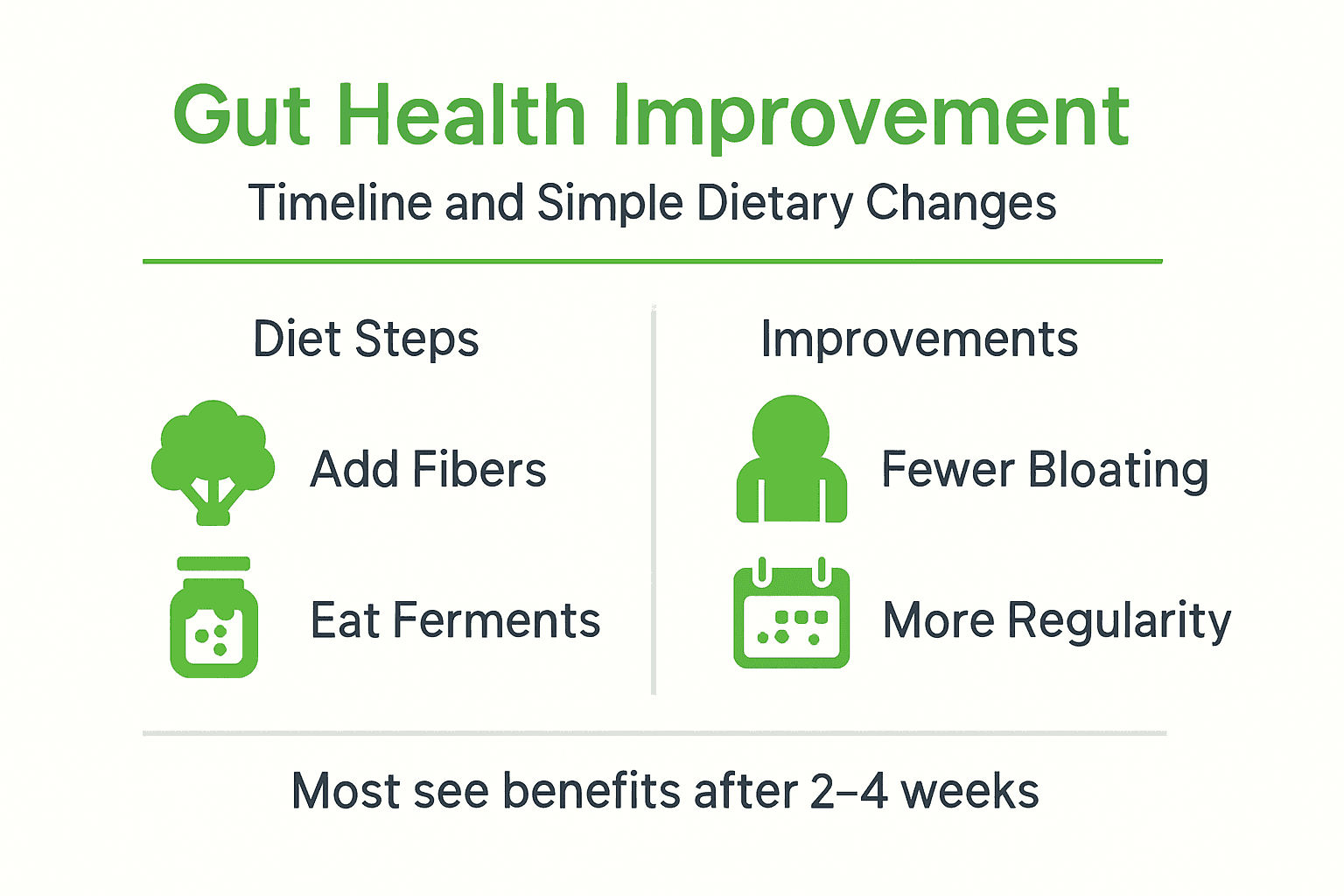
Most people notice initial improvements in digestive symptoms like bloating or regularity within 2-4 weeks of dietary adjustments. Deeper changes affecting immunity, mood, and metabolism typically emerge after 6-12 weeks of sustained healthy habits. This delayed response reflects the time needed for beneficial microbes to establish stable populations and for your body to adapt.
Patience and long-term commitment separate successful gut health improvements from temporary fixes. Your microbiome evolved with you over years; reshaping it thoroughly takes time. Individual responses vary based on starting microbiome composition, genetics, medications, and adherence to recommendations.
Typical timeline for gut health improvements:
- Days 1-3: Rapid microbial shifts begin in response to dietary changes, though you may not feel different yet
- Weeks 1-2: Initial digestive symptom improvements like reduced bloating or more regular bowel movements
- Weeks 2-4: Microbiome diversity increases measurably with consistent fiber intake and fermented foods
- Weeks 4-8: Energy levels and digestive comfort improve noticeably as beneficial microbes establish stable populations
- Weeks 8-12: Broader wellness benefits emerge including better immune function, mood stability, and metabolic health
- Months 3-6: Sustained improvements require ongoing healthy habits; benefits plateau and maintain with consistency
Monitor your progress by tracking dietary changes, digestive symptoms, energy levels, and overall wellness. This personal data helps identify which strategies work best for your unique microbiome and allows for personalized adjustments.
Practical steps to improve your gut health
Translating knowledge into action starts with gradually increasing diverse fiber intake. Add one new fiber source weekly, rotating through fruits, vegetables, whole grains, and legumes. This gradual approach lets your gut microbes adapt without overwhelming your digestive system with sudden changes.
Include fermented foods regularly, aiming for small portions daily rather than large amounts occasionally. A few tablespoons of sauerkraut, a cup of yogurt, or a glass of kefir provides beneficial microbes. Choose unpasteurized versions when possible to ensure live cultures.
Consider targeted probiotic and prebiotic supplements under guidance from a healthcare professional familiar with your health history. Not everyone needs supplements, but they can help during antibiotic treatment, after illness, or when dietary sources prove insufficient. Select products with clinically studied strains matching your specific concerns.
Manage stress through daily relaxation practices. Even 10 minutes of meditation, deep breathing, or gentle stretching helps regulate stress hormones affecting gut function. Prioritize 7-9 hours of quality sleep by maintaining consistent sleep schedules and creating a relaxing bedtime routine.
Engage in moderate exercise most days, choosing activities you enjoy to ensure consistency. A brisk 30-minute walk, cycling, swimming, or yoga session supports microbiome diversity and reduces inflammation. Exercise doesn’t need to be intense to benefit your gut.
Actionable steps to implement immediately:
- Start each day with a fiber-rich breakfast like oatmeal with berries and nuts
- Add one serving of fermented food daily, rotating between yogurt, kimchi, and sauerkraut
- Replace refined grains with whole grain alternatives in meals
- Schedule consistent sleep and wake times, even on weekends
- Practice 10 minutes of stress reduction techniques before bed
- Take a 30-minute walk or engage in preferred exercise 5 days weekly
- Stay hydrated with 8-10 glasses of water daily to support digestion
Pro Tip: Keep a simple journal tracking dietary changes, exercise, sleep quality, and digestive symptoms to identify patterns and make personalized adjustments based on what works best for your body.
Exploring personalized meal plans tailored to your preferences and goals can simplify implementing these dietary strategies. Using nutritional assessment methods helps establish baseline measurements and track progress objectively. Learning how to set nutrition goals ensures your gut health improvements align with broader wellness objectives.
Improve your gut health with personalized nutrition support
Personalized nutrition takes gut health optimization beyond generic advice by tailoring fiber sources, probiotic strains, and meal timing to your unique microbiome and lifestyle. Dietium offers comprehensive nutritional assessment methods that identify your specific needs and create customized strategies matching your preferences, schedule, and health goals.
Our personalized meal plans for gut health make implementing science-backed dietary changes simple and sustainable. You receive specific recipes, grocery lists, and portion guidance that fit seamlessly into your daily routine. Expert guidance helps you navigate challenges, adjust strategies as needed, and build lasting habits that support not just gut health but overall wellness. Taking action now with professional support accelerates your progress and ensures you’re investing effort in strategies proven to work for your individual situation.
Frequently asked questions
What foods should I eat to improve gut microbiome diversity?
Eat a wide variety of fiber-rich fruits, vegetables, whole grains, and legumes daily to feed different beneficial bacterial species. Include fermented foods like yogurt, kimchi, and sauerkraut regularly to introduce helpful live microbes. Avoid excessive processed foods and those high in unhealthy fats, which reduce microbial diversity and promote inflammation.
How long does it take to see improvements in gut health?
Microbial changes begin within days of dietary adjustments, but noticeable benefits typically emerge after 2-4 weeks of consistent healthy habits. Deeper improvements affecting immunity, mood, and metabolism usually require 6-12 weeks of sustained effort. Individual results vary based on starting gut health, genetics, and how consistently you follow recommendations.
Can I rely solely on probiotic supplements to fix my gut health?
Probiotic supplements provide temporary benefits but don’t permanently change gut microbiota without sustained dietary and lifestyle modifications. Most probiotic strains pass through your system within days to weeks after stopping supplementation. Combining targeted probiotics with diverse fiber intake, fermented foods, stress management, quality sleep, and regular exercise delivers the most effective and lasting gut health improvements.


