 Skip to content

Sorting through the crowded world of nutrition, many people struggle to tell the difference between ordinary healthy foods and those that deliver targeted wellness benefits. This distinction matters more than ever for anyone personalizing their meal planning on evidence-based insights. By clarifying what actually qualifies as a functional food—and why not every nutrient-rich choice fits the definition—you will find the confidence to make smarter, science-backed decisions for your health goals.
Table of Contents
- Functional Foods Defined And Common Misconceptions
- Categories And Bioactive Components Explained
- Mechanisms Driving Health Enhancement
- Regulations And Substantiating Health Claims
- Risks, Evidence Gaps, And Practical Limitations
Key Takeaways
| Point | Details |
|---|---|
| Distinction Between Foods | Functional foods are specifically formulated for health benefits beyond basic nutrition, while not all nutritious foods qualify as functional. |
| Personalization is Key | The effectiveness of functional foods varies based on individual genetics, health status, and diet. |
| Regulatory Awareness | Understand that health claims may differ by region due to varying regulations, emphasizing the importance of verifying claims. |
| Avoid Overreliance | Functional foods should be used to supplement a balanced diet and not as replacements for medical treatments. |
Functional foods defined and common misconceptions
Functional foods are more than just healthy foods. They’re specifically formulated to contain bioactive compounds or live microorganisms designed to deliver measurable health benefits beyond basic nutrition.
The key distinction matters. While all functional foods are nutritious, not all nutritious foods are functional. A regular apple provides vitamins and fiber. A functional food—like a probiotic yogurt or omega-3 enriched bread—contains added bioactive components engineered for disease prevention or health maintenance.
What Makes a Food Functional?
Functional foods provide health benefits through their formulation with substances or microorganisms at safe, effective concentrations. They integrate food science, nutrition, and medicine to create foods with enhanced health-promoting properties.
Think of functional foods as a bridge between nutrition and medicine. They’re not supplements or drugs, but ordinary foods with added purpose. Examples include:
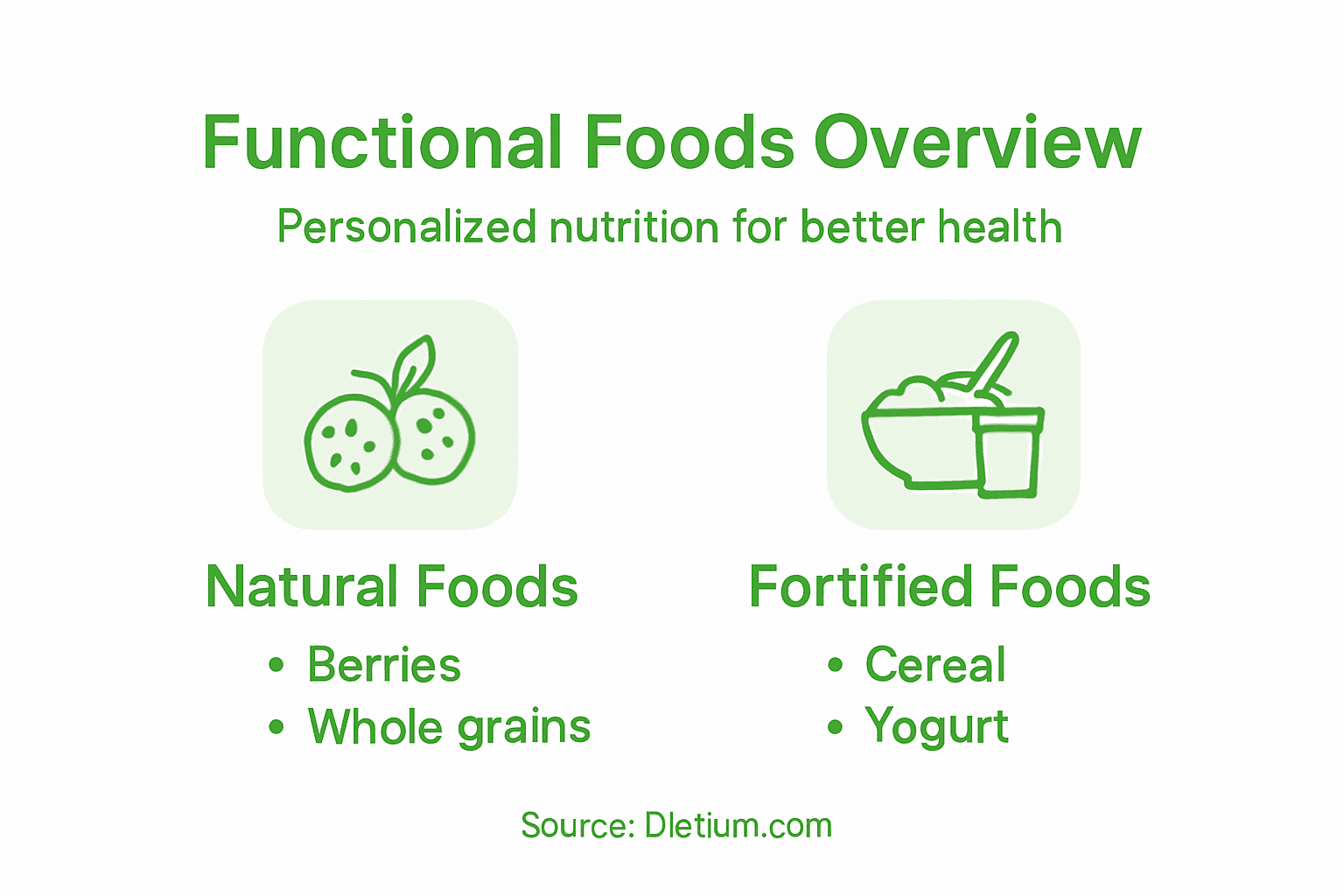
- Fortified cereals with added vitamins and minerals
- Yogurts containing live probiotic cultures
- Plant-based beverages enriched with calcium
- Bread with added omega-3 fatty acids
- Nuts and seeds bred for higher nutrient density
The Biggest Misconception: Confusing All Healthy Foods With Functional Foods
Here’s where confusion starts. People often assume any wholesome food qualifies as functional. That’s not accurate. A sweet potato is nutritious, but it’s not functional unless something’s been deliberately added or enhanced.
The problem runs deeper. Confusion exists between functional foods and fortified or enriched foods, leading to inconsistent definitions globally. Some countries classify certain foods as functional while others don’t recognize the same classification.
The vague boundary between “healthy” and “functional” creates real confusion for consumers trying to make informed choices about their nutrition.
Other Common Misconceptions
Several myths persist in mainstream nutrition conversations:
- All functional foods are supplements in food form — False. They’re actual foods, not concentrated extracts.
- Functional foods replace medication — They support health maintenance and disease prevention, but don’t treat diagnosed conditions.
- One functional food solves multiple health problems — Health benefits are specific to their bioactive components.
- More expensive automatically means more functional — Price doesn’t determine efficacy or functional value.
- Everyone benefits equally from the same functional food — Personalized nutrition means individual responses vary significantly.
Personalization matters here. Your genetics, gut health, current diet, and health goals determine whether a specific functional food actually benefits you. Someone with lactose intolerance won’t benefit from standard probiotic yogurt the same way others might.
Pro tip: When evaluating functional foods for your personalized nutrition plan, check the ingredient list for specific bioactive compounds rather than relying on marketing claims, and consider your individual health goals before adding any functional food to your routine.
Categories and bioactive components explained
Functional foods fall into three main categories based on how they deliver their health benefits. Understanding these categories helps you choose foods that align with your personalized nutrition goals.
Three Core Categories
Functional foods are organized by their source and composition:
Here’s a comparison of the three main types of functional foods:
| Functional Food Type | Typical Example | Key Health Benefit | Personalization Insight |
|---|---|---|---|
| Natural bioactives | Wild blueberries | General wellness support | Effectiveness varies by genetic traits |
| Fortified/enriched | Vitamin D cereal | Targeted nutrient deficiency | Benefits depend on individual needs |
| Live microorganisms | Kefir or probiotic yogurt | Gut and immune system support | Best for people with low gut diversity |
- Natural foods with inherent bioactives — Foods like berries, fatty fish, and leafy greens that naturally contain beneficial compounds without any added ingredients.
- Fortified or enriched foods — Conventional foods where manufacturers add specific nutrients or bioactive compounds. Think calcium-fortified plant milk or vitamin-enriched cereals.
- Foods with live microorganisms — Products containing probiotics like yogurt, kefir, or fermented vegetables that introduce beneficial bacteria to your digestive system.
What Are Bioactive Components?
Bioactive compounds form the functional foundation by interacting with your biological systems to create measurable health effects. These aren’t just nutrients—they’re specialized molecules that act through specific pathways in your body.
The most powerful bioactives include:
- Polyphenols — Antioxidant compounds from plants that fight cellular damage and inflammation
- Omega-3 fatty acids — Essential fats that support heart and brain health
- Dietary fibers — Compounds that feed beneficial gut bacteria and regulate digestion
- Peptides — Protein fragments that influence metabolic processes and immunity
- Phytochemicals — Plant-derived chemicals with diverse anti-inflammatory and protective properties
- Probiotics — Live beneficial bacteria that colonize your gut microbiome
How Bioactives Work in Your Body
Bioactive compounds exert health effects through multiple biological mechanisms. They don’t work by accident—they target specific pathways involved in antioxidant defense, inflammation control, and metabolic regulation.
The effectiveness depends on bioavailability. A compound must survive digestion, cross your intestinal barrier, and reach target tissues to work. This is why the same bioactive in different foods produces different results.
Your gut health, genetics, and current diet directly influence how effectively your body absorbs and uses bioactive compounds from functional foods.
Choosing the Right Category for Your Goals
Natural functional foods work best for general wellness maintenance. Fortified foods target specific deficiencies or health goals. Probiotic foods support digestive and immune health through direct microbial colonization.

Your personalized nutrition plan should match your individual needs. Someone with inflammatory joint pain might prioritize polyphenol-rich foods. An individual with compromised gut health might benefit more from probiotic-containing options.
Pro tip: Read ingredient lists to identify specific bioactive compounds rather than relying on marketing terms like “superfood,” and track how different functional food categories affect your energy, digestion, and overall wellness over 4-6 weeks to discover which works best for your body.
Mechanisms driving health enhancement
Functional foods don’t just add nutrients to your diet—they trigger specific biological responses at the cellular level. Understanding these mechanisms reveals why personalized nutrition works so effectively.
How Bioactive Components Interact With Your Body
Bioactive components modulate metabolic, immune, and inflammatory pathways in ways that prevent disease and enhance wellness. These aren’t passive nutrients passing through your system; they actively communicate with your cells.
The key mechanisms include:
- Antioxidant activity — Neutralizing harmful free radicals that damage cells and accelerate aging
- Gut microbiota modulation — Feeding beneficial bacteria that produce short-chain fatty acids and strengthen your immune barrier
- Lipid and glucose regulation — Improving insulin sensitivity and cholesterol profiles
- Vascular function enhancement — Strengthening blood vessel health and improving circulation
- Immune response modulation — Activating and balancing your immune system appropriately
Molecular Pathways and Signaling
Functional ingredients influence signaling pathways, hormone secretion, and enzyme activities throughout your body. Polyphenols from berries activate antioxidant enzymes. Omega-3 fatty acids reduce inflammatory markers. Dietary fibers feed beneficial bacteria that produce compounds your brain and immune system rely on.
This is where personalization matters most. Your unique genetics determine how efficiently you absorb and process these compounds. Someone with a genetic predisposition to inflammation may respond powerfully to polyphenol-rich foods, while another person’s body might prioritize the gut-healing benefits of prebiotic fibers.
The same functional food produces measurably different health outcomes in different people because of individual variations in metabolism, genetics, and existing microbiota composition.
Preventing Non-Communicable Diseases
Clinical research consistently shows functional foods reduce risk for cardiovascular disease, type 2 diabetes, and metabolic disorders. They work through prevention mechanisms rather than treatment.
Your body’s metabolic health directly determines how effectively functional foods work. Improving your metabolic state amplifies the protective effects of bioactive compounds. This is why pairing functional foods with consistent physical activity and sleep optimization produces synergistic results.
The evidence is clear: functional foods prevent disease by maintaining optimal biological function before problems develop. They shift your body toward health rather than fighting against established dysfunction.
Pro tip: Track how specific functional foods affect your energy, digestion, and biomarkers over 8-12 weeks, noting which categories and bioactives produce the strongest personal results for your unique metabolism and health goals.
Regulations and substantiating health claims
Not every claim on a functional food label is accurate. Regulatory agencies worldwide enforce strict rules requiring scientific proof before manufacturers can make health claims about their products.
Why Regulations Matter
Without oversight, companies could claim anything. Your yogurt might say it “cures diabetes.” Your cereal might promise to “reverse aging.” These claims would mislead consumers and erode trust in legitimate functional foods.
Regulatory frameworks ensure health claims are substantiated by scientific evidence to protect consumers and maintain market credibility. Governments invest resources to evaluate claims before allowing them on product packaging.
Key regulatory goals include:
- Consumer protection — Preventing misleading claims that could harm health decisions
- Market transparency — Ensuring accurate information supports informed choices
- Scientific integrity — Requiring evidence-based claims, not marketing hype
- Industry standardization — Creating level playing fields for manufacturers
- Public health — Supporting trust in functional foods that genuinely deliver benefits
Regional Differences Create Complexity
The United States, European Union, Japan, Canada, and Australia all have different approval processes for health claims. A claim approved in one region may be rejected elsewhere.
The European Union maintains the strictest standards globally. Japan has streamlined pathways for specific functional food categories. The United States allows broader claims if they meet FDA standards.
These global differences mean a functional food marketed in Canada might display completely different health claims than the identical product sold in Germany, based on regional regulatory requirements.
What “Substantiated” Actually Means
Regulatory bodies evaluate evidence quality, efficacy, and safety before approval. A single positive study isn’t enough. Manufacturers must provide multiple peer-reviewed clinical trials, systematic reviews, and epidemiological evidence.
The claim must be specific and measurable. “Supports heart health” passes scrutiny. “Makes you feel better” does not. Vague language gets rejected across all major regulatory regions.
Reading labels carefully becomes your defense. Look for approved health claims from regulatory authorities, not marketing-speak invented by companies. Dietium’s meal planning tools help you track which functional foods genuinely align with your personalized health goals based on approved evidence.
Pro tip: When evaluating functional foods, check the label for specific health claims backed by regulatory approval in your region, and research the actual studies cited rather than trusting marketing language that sounds impressive but carries no official validation.
Risks, evidence gaps, and practical limitations
Functional foods aren’t risk-free solutions. Despite their potential, significant gaps exist between marketing promises and scientific evidence. Understanding these limitations helps you make realistic decisions about your personalized nutrition strategy.
Safety Concerns for Vulnerable Populations
Safety assessment of functional foods requires evaluating biological, chemical, and physical hazards, especially for vulnerable groups. Children, pregnant women, elderly individuals, and people with compromised immune systems face heightened risks from functional food formulations.
Long-term consumption effects remain poorly studied. Your body might handle a functional food well for three months, but effects after years of consistent use remain unknown. This creates real uncertainty when making long-term dietary commitments.
Specific risk considerations include:
Below is a summary of common risks and limitations to consider with functional foods:
| Risk/Limitation | Long-Term Impact | Who Is Most Affected | Practical Strategy |
|---|---|---|---|
| Drug-nutrient interaction | Possible adverse effects | Those on medication | Consult healthcare provider |
| Allergenic compounds | Unpredictable immune response | Allergy-prone individuals | Read ingredient labels carefully |
| Bioactive instability | Reduced efficacy over time | All consumers | Choose fresh and properly stored products |
| Regulatory inconsistency | Variable health claim reliability | Global shoppers | Research claims for your region |
- Drug-nutrient interactions — Functional foods can interact with medications, reducing efficacy or causing adverse effects
- Contamination risks — Manufacturing inconsistencies introduce biological or chemical hazards
- Excessive nutrient doses — Fortified foods combined with supplements can push intake above safe limits
- Allergenic compounds — Novel formulations may trigger unexpected immune responses
- Cumulative effects — Multiple functional foods consumed together create unknown synergistic effects
The Evidence Gap Problem
Many functional foods suffer from insufficient strong scientific evidence supporting their health claims. A promising lab study doesn’t translate to real-world human benefits. Marketing teams exploit this gap constantly.
Regulatory variability compounds the problem. A functional food deemed safe and effective in one country faces rejection elsewhere. Consumers navigating these inconsistencies struggle to determine what actually works.
The most significant gap isn’t between what functional foods can do and what they actually do—it’s between what the marketing says and what the evidence actually shows.
Practical Limitations You Should Know
Bioavailability creates real challenges. Your body might absorb only 5-15% of a bioactive compound, depending on food interactions, digestive health, and individual metabolism. A product claiming 500 milligrams of polyphenols might deliver only 25-75 milligrams of actual biological benefit.
Formulation stability matters. Probiotics die during storage. Heat-sensitive compounds degrade on shelves. The functional food you purchase today may contain significantly fewer active bioactives than promised.
High development costs limit innovation. Only well-funded companies can conduct rigorous research. Small manufacturers cut corners on testing and validation. Inconsistent labeling makes comparing similar products nearly impossible.
Overreliance as Medical Substitute
The biggest practical limitation is psychological. Functional foods support health maintenance, not medical treatment. Taking a probiotic doesn’t replace antibiotics for infection. Consuming omega-3 enriched foods doesn’t substitute for blood pressure medication.
Personalized nutrition plans should integrate functional foods as supplements to proven medical treatments, not replacements. Your Dietium meal planning works best when combined with medical guidance, not as an alternative to it.
Pro tip: Before adding any functional food to your personalized nutrition plan, research the specific bioactive compound, verify regulatory approval in your region, check for potential medication interactions with your healthcare provider, and set realistic expectations about timelines—meaningful changes typically require 8-12 weeks of consistent consumption.
Unlock the Power of Functional Foods with Personalized Nutrition
Understanding the complex science behind functional foods and their role in your health is just the beginning. The article highlights common challenges like distinguishing between healthy and truly functional foods and navigating inconsistent health claims. If you are seeking to overcome these obstacles and tailor your nutrition to your unique genetics, metabolism, and gut health, personalized nutrition is essential. Key pain points include identifying the right bioactive components for your needs and ensuring that functional foods fit safely into your lifestyle without misleading marketing.
At Dietium.com, we make this personalization achievable through our advanced AI-driven tools and the Recipians app. You can discover custom meal plans featuring evidence-backed functional foods that match your health goals and sensitivities. Our platform helps you track your progress, manage your diet based on regulatory-approved nutrition information, and avoid common pitfalls like nutrient overdose or adverse interactions. Ready to transform your wellness routine with confidence and clarity? Explore the Recipians app today and start your journey to smarter, safer nutrition supported by science.
Make the informed choice now—empower your health by integrating personalized functional foods seamlessly into your lifestyle at Dietium.com. Don’t wait until misinformation slows your progress or unclear labeling risks your wellness. Your optimized nutrition plan is one click away.
Frequently Asked Questions
What are functional foods?
Functional foods are foods formulated to contain bioactive compounds or live microorganisms that provide measurable health benefits beyond basic nutrition, such as disease prevention and health maintenance.
How do I choose the right functional foods for my health goals?
Selecting the right functional foods depends on your individual health needs. Natural functional foods support general wellness, fortified foods target specific nutrient deficiencies, and probiotic foods enhance gut health. Assess your health goals to find the most beneficial foods.
Can functional foods replace medications?
No, functional foods are not a substitute for medication. They support health maintenance and disease prevention, but they do not treat diagnosed medical conditions. Always consult a healthcare provider for treatment options.
What are bioactive compounds in functional foods?
Bioactive compounds are specialized molecules in functional foods that interact with your biological systems to create measurable health effects. Examples include polyphenols, omega-3 fatty acids, and probiotics, each offering various health benefits.
Recommended
- Personalized Meal Plans for Every Health Goal – Dietium
- Functional Fitness Workouts: Complete Guide for 2024 – Dietium
- Nutritional Assessment Methods: Enhancing Personalized Health – Dietium
- Longevity and Nutrition: Evidence-Based Paths to Vitality – Dietium
- Understanding Forged Cookware Explained for Chefs & Enthusiasts – Brass & Steel


