 Skip to content

TL;DR:
- Fitness trends in 2025 focus on recovery, longevity, and efficient workouts over high intensity. Wearables now serve as active coaches, integrating personalized health data to optimize training and recovery. Community-based formats and short sessions foster consistency, emphasizing sustainable health practices and personalized nutrition integration.
The fitness trends 2025 brought to the surface are not what most people expected. High-intensity cardio did not keep its crown. Instead, the data points clearly toward something more calculated: a collective shift toward recovery, longevity, and workouts designed to last a lifetime rather than destroy you by Thursday. With 81 million Americans now holding gym memberships, the fitness industry is not shrinking. It is maturing. And if you want to train with the curve rather than against it, the picture that’s emerging in 2025 and beyond is one you genuinely need to understand.
Table of Contents
- Key takeaways
- Fitness trends 2025: from intensity to sustainability
- Wearables, AI, and hyper-personalized fitness
- Holistic and community-driven fitness
- Practical ways to apply 2025 fitness trends
- My take on where fitness is actually heading
- How Dietium supports your 2025 fitness goals
- FAQ
Key takeaways
| Point | Details |
|---|---|
| Intensity is losing ground | Body/mind and recovery-focused workouts are growing fast, while cycling and bootcamps are declining in share. |
| Wearables are getting smarter | Over 63% of consumers own or plan to buy wearables that deliver real-time AI coaching, not just step counts. |
| Community drives consistency | Group formats like HYROX and run clubs are producing better long-term adherence than solo training. |
| Short sessions dominate | 77.7% of streamed workouts in 2025 are 30 minutes or under, reflecting a clear shift toward efficiency. |
| Nutrition and fitness must connect | Personalized diet planning aligned with your training data produces measurably better health outcomes. |
Fitness trends 2025: from intensity to sustainability
For years, the loudest voices in fitness belonged to high-intensity formats. Boot camps, spin classes, and HIIT circuits defined gym culture. The 2025 data tells a different story. Body/mind workouts grew over 50% while cycling dropped 5.55 percentage points and boot camps fell 3.04 points in market share. That is not a blip. That is a structural shift.
What is driving this? Partly burnout. Partly science catching up with training culture. Research now confirms that training smarter, not harder, produces longer-term health gains. Mobility work, Pilates, yoga, and low-intensity steady-state cardio have moved from “recovery filler” to legitimate training modalities with measurable outcomes. The fitness industry is recognizing what physical therapists have known for decades: sustainability beats intensity every single time.
Here is where the major categories stand in terms of emerging growth and participant momentum in 2025:
- Body/mind workouts (yoga, Pilates, mindfulness movement): highest growth category, up over 50%
- Strength and functional training: holding strong, but evolving toward movement quality over maximum load
- Low-intensity cardio and walking programs: quietly surging, especially among adults 35 and older
- Hybrid training formats (strength plus mobility, HYROX-style events): rapidly gaining registered participants
- High-intensity cycling and boot camps: declining in share, though still popular among dedicated niche users
The definition of strength training itself is also shifting. It no longer means purely lifting heavy for hypertrophy. Functional movement, resistance band work, and bodyweight progressions are all being counted as strength training now, widening the category while making it more accessible. Understanding your place within these emerging workout patterns helps you make smarter decisions about where to invest your training time.
Wearables, AI, and hyper-personalized fitness
The single biggest tech story in fitness right now is the leap wearable devices have made from passive trackers to active coaches. Wearable technology is the number one fitness trend according to the American College of Sports Medicine, and the adoption numbers back that up. 63% of consumers currently own or plan to purchase devices that monitor health, movement, sleep, and recovery. That is a majority, not an early adopter segment.
What changed is the quality of the output. Early fitness trackers told you how many steps you took. Today’s devices tell you whether you are ready to train hard or whether pushing today will set you back three days. Real-time AI coaching built into wearables now delivers recovery scores, strain warnings, and sleep-based readiness assessments that directly inform training decisions. You are not guessing anymore.
The next wave goes further. The hyper-personalized fitness market is evolving from fragmented apps into full-stack platforms that integrate genomic data, biomarkers, and clinical health records with your workout plan. Think VO2 max assessments, continuous glucose monitoring, and hormonal panels feeding directly into a personalized training program. Fitness is merging with preventative health care, and that convergence is only accelerating.
Pro Tip: When choosing a wearable, prioritize devices that track heart rate variability and sleep stages over those that focus primarily on step counts. HRV data is your clearest window into recovery status, and recovery is where fitness gains actually happen.
Key factors to look for when integrating wearables into your routine:
- Continuous heart rate variability tracking for recovery monitoring
- Sleep stage analysis to assess true rest quality, not just hours slept
- Readiness or recovery scores that factor in multiple biometric inputs
- App ecosystems that allow data export and integration with nutrition or coaching platforms
- Battery life sufficient for overnight wear, since sleep data is non-negotiable
Using your fitness tracking data effectively means reviewing trends over weeks, not reacting to single-day numbers. One poor night’s sleep does not ruin a training block. A pattern of poor recovery data should make you pause.
Holistic and community-driven fitness
Something changed socially in the wake of the pandemic years. Solo workouts on apps remained popular, but a quiet hunger for in-person community came back stronger than expected. Group exercise and community-based fitness are now driving renewed engagement, with formats like run clubs and HYROX events registering rapid growth in participation numbers.
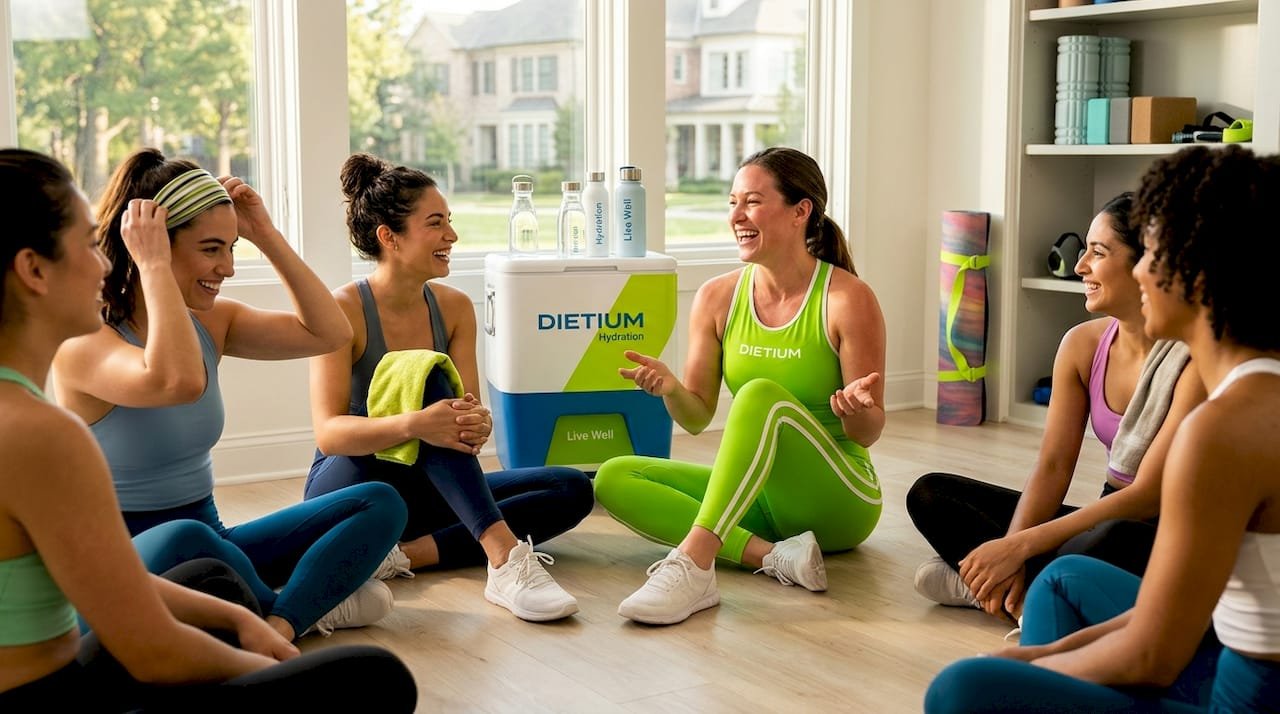
The psychology here is straightforward. Community creates accountability, and accountability produces consistency. Consistency beats any single training method when it comes to long-term results. A run club member who shows up three times a week for a year outperforms the solo athlete who burns out after an intense six-week program every time.
Mind-body practices sit at the intersection of this trend. Pilates studios, for example, are not just selling a workout. They are selling a social environment with structured movement, which explains why they have expanded dramatically despite the studio model being more expensive than a standard gym membership. The benefits of mind-body integration extend well past flexibility, touching stress reduction, sleep quality, and even hormonal balance.
Here is a practical comparison of popular fitness formats gaining traction in 2025:
| Format | Primary benefit | Best suited for | Session length |
|---|---|---|---|
| Pilates | Core strength, posture, mobility | All fitness levels | 45 to 60 minutes |
| HYROX | Functional fitness, competition | Intermediate to advanced | 60 to 90 minutes |
| Run clubs | Cardio, community, accountability | Beginners to intermediate | 30 to 60 minutes |
| Yoga and breathwork | Recovery, stress reduction, flexibility | All levels | 30 to 75 minutes |
| Hybrid strength and mobility | Balanced fitness, injury prevention | Intermediate | 45 to 60 minutes |
The mental health dimension of this trend deserves direct attention. Workout choices are increasingly driven by stress management and mood regulation, not just body composition goals. Formats that combine physical effort with breathing, community, and mindfulness hit multiple wellness targets in a single session. That efficiency resonates with people managing full, demanding lives.
Practical ways to apply 2025 fitness trends
Knowing what the trends are matters far less than knowing how to use them. Here is a structured approach to applying the most durable 2025 fitness insights to your actual training week:
Anchor your week in recovery. Schedule at least two sessions specifically for mobility, yoga, or low-intensity movement. These are not optional filler. They are the training that makes your harder sessions productive.
Shorten your workouts deliberately. Since 77.7% of workouts streamed in 2025 are 30 minutes or less, the science and the behavior data align. A focused 25-minute strength session beats a distracted 60-minute one.
Use wearable data before, not after. Check your recovery score before deciding how hard to push on a given day. Train at 60 to 70% capacity on low-readiness days rather than grinding through full effort and accumulating fatigue.
Add one community-based format. Join a run club, a group class, or a structured fitness event. The accountability effect on adherence is real and significant. Even once per week is enough to shift your consistency patterns.
Connect your nutrition to your training load. High training days need different macros than recovery days. Tracking this relationship, even roughly, produces noticeably better energy and performance outcomes.
Audit your routine for fad versus function. Ask whether each format you follow has science behind it or social media momentum behind it. The two are not the same. Prioritize physical activity for longevity over formats that promise transformation in 21 days.
Pro Tip: Stack your short sessions strategically. A 20-minute strength session in the morning and a 15-minute mobility session in the evening count as two productive training blocks and take no more total time than a single unfocused hour at the gym.
My take on where fitness is actually heading
I have watched enough fitness cycles come and go to know that the trends worth betting on are the ones that reduce friction, not increase it. What I find genuinely encouraging about 2025 is that for the first time in years, the most popular approaches are also the most sustainable ones.
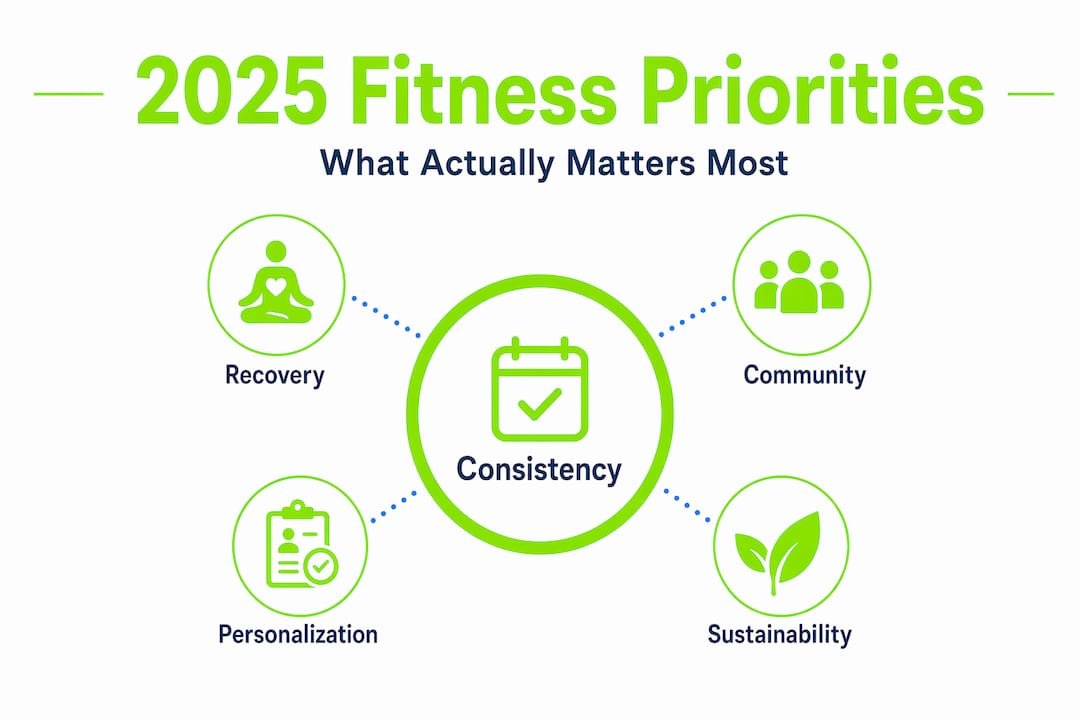
What I have seen in practice is that people who chase intensity without respecting recovery do not last. They get injured, burned out, or bored, and then they quit. The fitness industry spent decades selling them on “no pain, no gain,” and the data on chronic non-adherence has been the predictable result.
The shift toward community and recovery is not soft. It is actually harder to sustain a consistent practice for three years than to push through a brutal six-week program. Consistency demands systems, not willpower. Run clubs and group Pilates sessions give people the social infrastructure that willpower alone cannot provide.
I am also cautiously optimistic about wearable integration, but with one honest caveat. Data is only useful if you act on it. I have seen plenty of people wearing expensive devices who still train through warning signs because they feel guilty resting. Technology does not change behavior automatically. You still have to build the habit of listening to what it tells you.
The fitness trends I trust are the ones backed by a clear mechanism, sustainable over time, and repeatable without a personal trainer in the room. Recovery, community, short efficient sessions, and data-informed decision-making all meet that bar. The rest is noise.
— Srasti
How Dietium supports your 2025 fitness goals
The fitness trends shaping 2025 share one common thread: personalization. Wearables personalize your training load. Community formats personalize your motivation. Recovery protocols personalize your adaptation. Nutrition needs the same precision to complete the picture.
Dietium connects your fitness goals directly to your diet through tools built around real data. Whether you are optimizing macros for a strength training phase, managing calorie intake around short efficient sessions, or fueling a recovery-focused week, the platform gives you the structure to act on what you know. The Recipians app builds custom meal plans aligned with your specific health goals, fitness output, and dietary preferences, so your nutrition is never out of sync with how you train.
Explore how personalized meal plans built around your goals can strengthen every part of your fitness routine. Your training data only tells half the story. Dietium helps you close the loop.
FAQ
What are the top fitness trends 2025?
The leading fitness trends 2025 include recovery-focused workouts, body/mind practices like yoga and Pilates, wearable AI coaching, community-based formats like run clubs and HYROX, and short efficient training sessions under 30 minutes.
Why are high-intensity workouts declining in popularity?
Cycling and boot camps both lost market share in 2025 as consumers shifted toward sustainable, recovery-oriented training. Burnout and injury risk have pushed more people toward lower-intensity formats with measurable longevity benefits.
How do wearables fit into 2025 fitness trends?
Wearable technology is the top-ranked fitness trend, with 63% of consumers owning or planning to purchase a device. Modern wearables deliver real-time AI coaching and recovery insights rather than just tracking steps.
What is the ideal workout length in 2025?
Short sessions dominate. 77.7% of all streamed workouts in 2025 are 30 minutes or under, reflecting a clear preference for time-efficient training that fits into busy daily schedules without sacrificing results.
How does nutrition connect to these fitness trends?
Personalized nutrition aligned with your training load, recovery needs, and biometric data significantly improves performance and health outcomes. Platforms like Dietium integrate these variables to give you a complete, data-driven wellness plan.


