 Skip to content

Many believe cutting sugar alone balances blood sugar, but regulation involves insulin, glucagon, meal timing, and nutrient combinations. Effective control requires understanding how different foods affect your unique glycemic response. This guide explores blood sugar physiology, debunks common myths, and reveals personalized strategies to optimize meal planning for healthier glucose levels and sustained energy throughout your day.
Table of Contents
- Understanding Blood Sugar Regulation
- How Different Nutrients Affect Blood Sugar
- Common Misconceptions About Blood Sugar and Insulin
- Personalized Strategies for Effective Blood Sugar Control
- Implementing Meal Planning for Blood Sugar Balance
- Achieve Balanced Blood Sugar with Personalized Nutrition
- FAQs About Balancing Blood Sugar
Key Takeaways
| Point | Details |
|---|---|
| Hormone Balance | Insulin and glucagon work together to maintain blood glucose between 70-130 mg/dL. |
| Carb Quality Matters | Not all carbs spike blood sugar equally; glycemic index and fiber content determine impact. |
| Nutrient Synergy | Combining protein and healthy fats with carbs reduces glucose spikes by up to 40%. |
| Personalization Wins | Individual glycemic responses vary; continuous monitoring enables tailored meal strategies. |
| Timing Counts | Meal timing aligned with circadian rhythms improves insulin sensitivity and glucose control. |
Understanding Blood Sugar Regulation
Your body maintains blood sugar balance through two key hormones: insulin and glucagon. When you eat, blood glucose rises, triggering your pancreas to release insulin. This hormone acts like a key, unlocking cells so they can absorb glucose for energy or storage.
Glucagon does the opposite. Between meals, when blood sugar drops, glucagon signals your liver to release stored glucose. This hormonal dance keeps your blood glucose in the normal range of 70 to 130 mg/dL.
Insulin resistance disrupts this balance. When cells become less responsive to insulin, insulin resistance reduces glucose uptake by muscle and fat cells by up to 50% or more. Your pancreas compensates by producing extra insulin, but elevated insulin levels don’t guarantee effective glucose control.
Think of it this way: having more keys doesn’t help if the locks are jammed. Understanding insulin resistance mechanisms is crucial for managing blood sugar effectively.
“The effectiveness of insulin matters more than the amount. Insulin resistance means your cells aren’t responding properly, regardless of how much insulin your body produces.”
Key factors affecting insulin sensitivity include:
- Body composition and visceral fat accumulation
- Physical activity levels and muscle mass
- Sleep quality and stress management
- Inflammatory markers and metabolic health
- Genetic predisposition and family history
How Different Nutrients Affect Blood Sugar
Carbohydrates have the greatest effect on post-meal blood sugar levels because they break down into glucose, but impact varies widely. The glycemic index (GI) ranks foods by how quickly they raise blood glucose. White bread scores high at 75, while lentils rate low at 32.

Glycemic load (GL) provides a more complete picture. It considers both the GI and the actual carbohydrate amount in a serving. A watermelon slice has a high GI but low GL because it contains mostly water.
Protein and fat slow glucose absorption significantly. They delay stomach emptying and reduce the speed at which carbs enter your bloodstream. Fiber slows glucose absorption, thus reducing blood sugar spikes after meals, improving overall glycemic control.
| Food Category | Glycemic Index | Glucose Impact | Best Choices |
|---|---|---|---|
| Refined Grains | 70-85 | Rapid spike | Limit portions |
| Whole Grains | 50-65 | Moderate rise | Primary carb source |
| Legumes | 25-40 | Slow, steady | Excellent staple |
| Non-Starchy Vegetables | 15-35 | Minimal impact | Unlimited |
| Fruits | 25-70 | Varies widely | Choose berries, apples |
Food processing dramatically changes glycemic response. Instant oatmeal spikes blood sugar faster than steel cut oats, even though both start as the same grain. Reading nutrition labels helps you identify added sugars and refined ingredients.
Pro Tip: Pair high GI foods with protein or healthy fats. Adding almond butter to toast or including salmon with rice significantly reduces the glucose spike.
When setting nutrition goals, focus on fiber intake. Aim for 25 to 35 grams daily from vegetables, legumes, and whole grains. This single change improves insulin sensitivity and stabilizes blood sugar throughout the day.
Understanding glycemic index and carbs empowers smarter food choices. Check resources on fiber’s effect on blood sugar for detailed guidance on incorporating more fiber into meals.
Common Misconceptions About Blood Sugar and Insulin
Myth number one: sugar alone causes diabetes. The truth involves genetics, overall diet quality, body composition, and lifestyle factors. Eating sugar doesn’t directly cause diabetes, though excess calories from any source contribute to weight gain and insulin resistance.
Many believe all carbohydrates must be eliminated for blood sugar control. This oversimplification ignores nutrient density and fiber content. Sweet potatoes, quinoa, and berries provide valuable vitamins, minerals, and fiber that support metabolic health.
Another widespread misconception claims high insulin levels guarantee good blood sugar control. Insulin resistance breaks this assumption. Your body may produce plenty of insulin, but if cells don’t respond effectively, glucose remains elevated in your bloodstream.
Common myths debunked:
- Eating late at night automatically raises blood sugar (timing matters, but total intake and food quality matter more)
- All fruits should be avoided due to sugar content (berries and apples have minimal impact when eaten whole)
- Artificial sweeteners solve blood sugar problems (some may affect insulin sensitivity and gut bacteria)
- Skipping meals improves blood sugar control (irregular eating patterns often worsen glucose stability)
- Diabetes only affects overweight individuals (thin people develop insulin resistance too)
The real issue isn’t single foods but overall dietary patterns. A balanced approach beats restrictive elimination diets. Reducing sugar naturally through whole foods works better than extreme restrictions that lead to unsustainable eating patterns.
Focus on food quality rather than arbitrary rules. Whole foods with intact fiber, adequate protein, and healthy fats support stable blood sugar regardless of whether they contain natural sugars or carbohydrates. Context and combination matter more than individual ingredients.
Personalized Strategies for Effective Blood Sugar Control
Your glycemic response differs from everyone else’s. Research shows identical meals produce vastly different blood sugar responses between individuals. Some people spike after eating bananas while others remain stable.
Continuous glucose monitors (CGMs) reveal your unique patterns. These small sensors track glucose levels every few minutes, showing exactly how your body responds to specific foods, meal timing, exercise, and stress. This data transforms guesswork into precision.
Nutritional assessment methods help identify your baseline metabolic health. Combining assessments with CGM data creates a complete picture of your glucose regulation and insulin sensitivity.
Personalization beats generic advice:
- CGM data identifies your specific trigger foods and optimal meal timing
- Individual carbohydrate tolerance varies from 30 to 200 grams per meal
- Exercise timing affects post-meal glucose differently for each person
- Sleep quality and stress impact your glucose response uniquely
- Gut microbiome composition influences how you digest different carbohydrates
Pro Tip: Start tracking one variable at a time. Test how your body responds to oatmeal versus eggs for breakfast over several days. This systematic approach builds your personal glucose knowledge base.
| Approach | Method | Effectiveness | Sustainability |
|---|---|---|---|
| Generic Low-GI Diet | Follow standard food lists | Moderate (60-70%) | Variable |
| Personalized Response Diet | Use CGM data and testing | High (85-95%) | Excellent |
Personalized meal plans incorporate your unique glucose patterns. They account for your preferences, schedule, and metabolic responses. This customization makes healthy eating sustainable rather than restrictive.
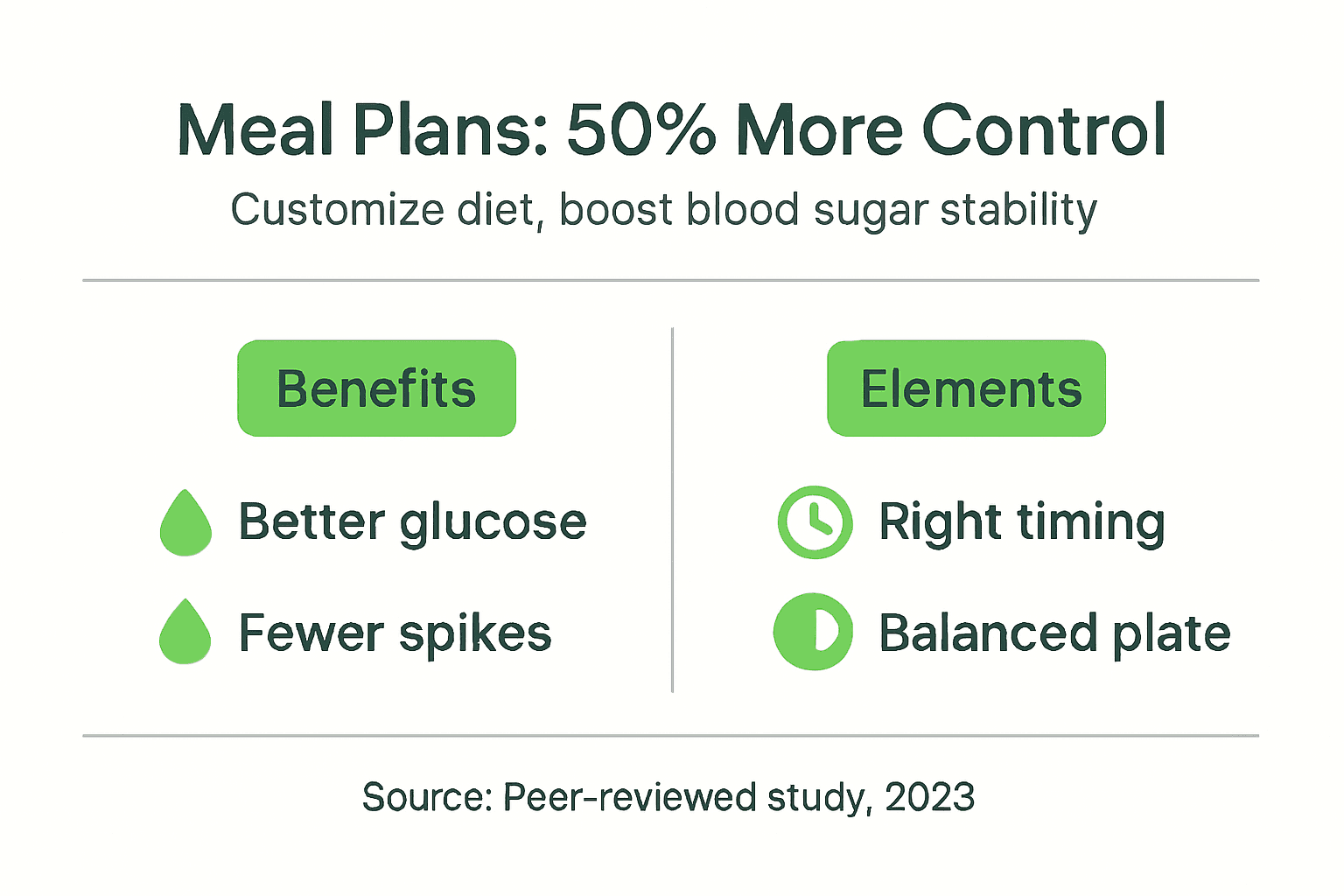
Fiber and balanced macronutrients support insulin sensitivity. Most people benefit from 40 to 50% carbohydrates, 25 to 30% protein, and 25 to 30% healthy fats, but your ideal ratio may differ. Testing reveals what works for your body.
Functional foods in nutrition provide additional benefits beyond basic nutrition. Cinnamon, apple cider vinegar, and fermented foods may improve glucose metabolism for some individuals. Learning sports nutrition basics helps optimize performance alongside blood sugar control.
Implementing Meal Planning for Blood Sugar Balance
Meal timing aligns with your circadian rhythms to maximize insulin sensitivity. Your body handles carbohydrates better earlier in the day. Eating your largest meal at lunch rather than dinner often improves glucose control and promotes better sleep.
Increasing protein or fat at meals can reduce blood sugar spikes by up to 40%. This simple strategy requires no special foods, just thoughtful food combinations.
Practical steps for blood sugar balance:
- Start meals with vegetables or protein to slow glucose absorption
- Include healthy fats like avocado, nuts, or olive oil with carbohydrates
- Space meals 4 to 5 hours apart for stable insulin levels
- Front-load carbohydrates earlier in the day when insulin sensitivity peaks
- Use CGM feedback to refine your personal meal timing and composition
Food combination strategies that work:
- Add chia seeds or ground flaxseed to smoothies for extra fiber
- Include a palm-sized portion of protein with every meal
- Drizzle olive oil on roasted vegetables to add healthy fats
- Snack on nuts with fruit instead of fruit alone
- Start dinner with a salad before the main course
Body composition tracking shows how meal planning affects your metabolic health over time. Changes in muscle mass and body fat percentage reflect improved insulin sensitivity better than weight alone.
AI powered tools analyze your patterns and suggest optimized meal plans. These technologies consider your glucose data, food preferences, schedule constraints, and nutritional needs simultaneously. The result is practical guidance tailored specifically for you.
Tracking health progress keeps you accountable and motivated. Regular monitoring reveals what’s working and what needs adjustment. Small, consistent improvements compound into significant health gains.
Understanding meal composition and glucose response empowers better daily choices. The knowledge transforms every meal into an opportunity for blood sugar optimization.
Achieve Balanced Blood Sugar with Personalized Nutrition
Balancing blood sugar requires understanding your unique metabolic responses and implementing tailored strategies. Dietium offers comprehensive nutritional assessment methods that identify your specific needs and metabolic patterns. Our platform creates personalized meal plans optimized for blood sugar control while matching your lifestyle and preferences. Access practical meal planning guides that make healthy eating sustainable for you and your family. Take control of your health with data-driven nutrition solutions designed specifically for your body’s needs.
FAQs About Balancing Blood Sugar
What are early signs of blood sugar imbalance?
Frequent thirst, increased urination, and unexplained fatigue signal potential blood sugar issues. You might also notice increased hunger despite eating regularly, blurred vision, or slow wound healing. These symptoms warrant checking fasting glucose levels with your healthcare provider.
How often should I check my blood sugar at home?
If you have diabetes, check before meals and at bedtime initially to establish patterns. For prediabetes or insulin resistance, testing first thing in the morning and two hours after largest meals provides valuable insight. Continuous glucose monitors eliminate manual testing while providing comprehensive data.
Can certain spices or herbs help regulate blood sugar?
Cinnamon may improve insulin sensitivity in some people when consumed regularly at 1 to 6 grams daily. Fenugreek seeds, ginger, and turmeric show promise in research, though effects vary individually. These should complement, not replace, dietary changes and medical treatment.
Is intermittent fasting effective for blood sugar control?
Intermittent fasting improves insulin sensitivity and blood sugar control for many people by extending the time between meals. Time-restricted eating, typically 16 hours fasting with an 8 hour eating window, often works well. However, individual responses vary, so monitor your glucose levels and consult your healthcare provider before starting.
How does stress affect blood sugar and can nutrition help?
Stress triggers cortisol and adrenaline release, which raise blood sugar by signaling glucose release from liver stores. Chronic stress impairs insulin sensitivity over time. Nutrient-dense foods rich in magnesium, omega-3 fatty acids, and B vitamins support stress resilience and help stabilize glucose responses during stressful periods.


