 Skip to content

Eating well when your schedule is packed feels like a constant trade-off. Most people assume that nutritious meals require long prep times, but that belief is outdated. Research shows that prep time and nutrition are not directly linked, meaning a 15-minute meal can deliver just as much value as one that takes an hour. This article breaks down what actually makes a meal both quick and nutritious, gives you a practical list of meal ideas, and shows you how to build a routine that sticks.
Table of Contents
- What makes a meal both time-efficient and healthy?
- Batch cooking and meal prep: The time-saver’s secret weapon
- 10 time-efficient healthy meal ideas you can start today
- Are processed foods ever time-efficient and healthy?
- How to adapt your routine for lasting meal success
- Customize your path to smart, healthy eating
- Frequently asked questions
Key Takeaways
| Point | Details |
|---|---|
| Speed and nutrition coexist | Research shows you can enjoy quick meals without compromising on healthy nutrients. |
| Batch prep works | Cooking and portioning meals ahead is the key time-saving strategy for healthy eating. |
| Processed foods: nuanced | Not all processed foods are bad; some are nutrient-rich and time-efficient, but label reading is vital. |
| Routine matters most | Establishing and maintaining an efficient meal routine makes healthy choices automatic. |
What makes a meal both time-efficient and healthy?
To make smart choices, it helps to define what “time-efficient” and “healthy” actually mean in daily life. Not every fast meal is a good one, and not every nutritious meal has to be complicated.
A time-efficient meal typically meets these criteria:
- Ready in under 30 minutes or designed for batch cooking (cooking once, eating multiple times)
- Balanced macros: lean protein, dietary fiber, healthy fats, and minimal added sugar
- Ingredient overlap: using the same base ingredients across multiple meals to cut shopping and prep time
- Low complexity: fewer steps, fewer dishes, and predictable results
Nutrition quality depends on what goes into the meal, not how long it takes to make. Batch cooking and meal prepping are proven strategies for maintaining that quality across a full week without cooking every day. If you are new to this approach, reviewing meal prep tips can help you get started with a clear framework.
Processing level also matters. Not all processed foods are harmful, but some are linked to overeating and reduced satiety. Choosing minimally processed whole foods as your base, then using smart shortcuts, keeps both nutrition and efficiency high.
Pro Tip: Plan your weekly meals around two or three shared ingredients, like a grain, a protein, and a vegetable. This reduces shopping time and prevents food waste without limiting variety.
Batch cooking and meal prep: The time-saver’s secret weapon
Now that we know what to look for in healthy, quick meals, here is the core methodology for making them work in real life.
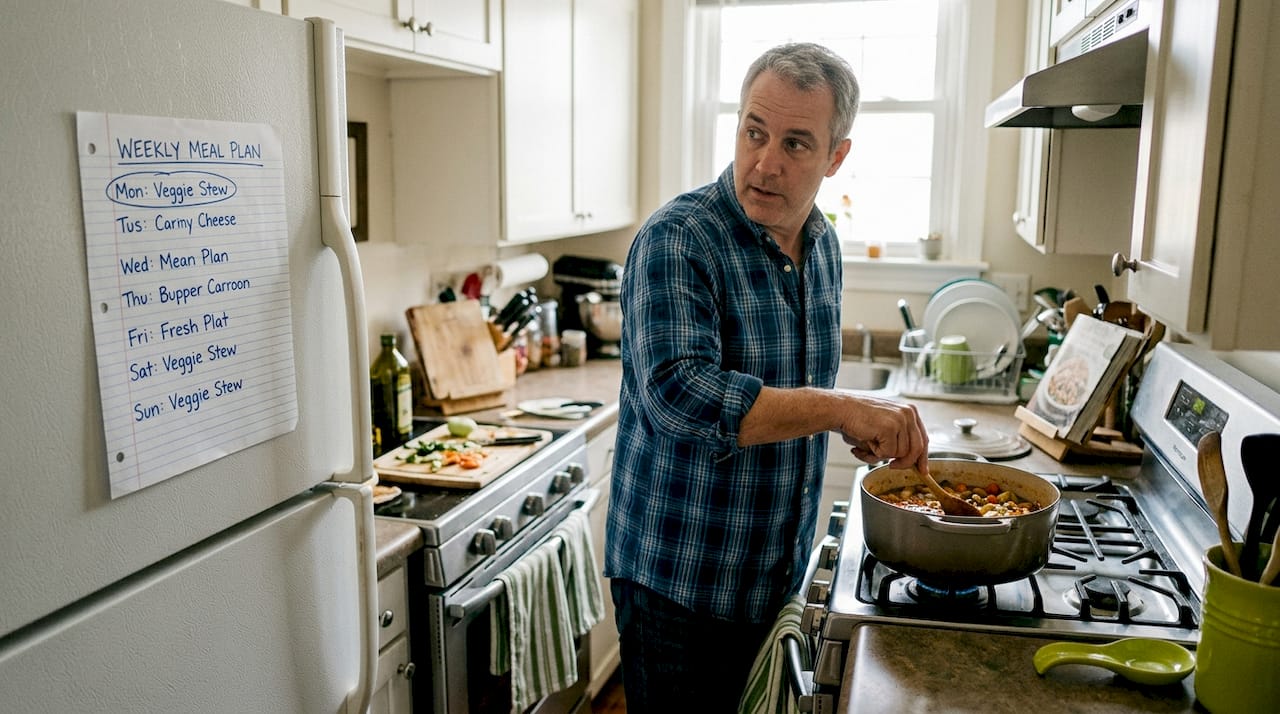
Batch cooking means preparing large quantities of food in a single session, then portioning and storing them for use throughout the week. It reduces weekday decision fatigue and makes it far less likely you will reach for something unhealthy when you are tired and hungry.
Here is a step-by-step approach to building your batch cooking system:
- Plan your week. Choose 3-4 meals with overlapping ingredients. Check what you already have before shopping.
- Shop with a list. Stick to the perimeter of the store where whole foods live. Buy in bulk where it makes sense.
- Cook in batches. Roast a sheet pan of vegetables, cook a large pot of grains, and prepare a protein source all at once.
- Portion and store. Divide meals into individual containers. Label with the date. Refrigerate what you will eat within four days; freeze the rest.
- Rotate and refresh. Swap one or two meals each week to avoid flavor fatigue and texture issues.
“Cooking once and eating twice, or more, is one of the most practical strategies for maintaining a healthy diet without spending hours in the kitchen every day.” — Mayo Clinic Press
Common pitfalls to avoid: do not pre-cut watery vegetables like cucumbers or tomatoes more than a day ahead, as they lose texture quickly. Leafy greens wilt fast when dressed, so store dressings separately. For more targeted advice, explore batch cooking tips or check out meal prep for busy people for structured weekly plans.
10 time-efficient healthy meal ideas you can start today
With a process in place, here is how to put it into action with practical, research-backed meals.
Dietitians recommend high-protein, high-fiber breakfasts, smart protein snacks, and vegetable-packed dinners as the foundation of a healthy eating pattern. These ten meals fit that framework and can all be prepped in advance.
- Overnight oats with nuts and seeds: Combine oats, chia seeds, almond milk, and a handful of berries the night before. Two minutes of active prep, high in fiber and protein.
- Grain bowls: Cook quinoa in bulk, then top with roasted vegetables and canned chickpeas. Endlessly customizable and ready in minutes once prepped.
- Rotisserie chicken wraps: Use store-bought rotisserie chicken, a whole-grain wrap, and pre-shredded slaw. Zero cooking required.
- Greek yogurt parfaits: Layer plain Greek yogurt with berries and a small amount of low-sugar granola. High in protein, ready in under two minutes.
- Chickpea or tuna salad jars: Mix canned chickpeas or tuna with olive oil, lemon, and herbs. Store in jars for grab-and-go lunches.
- Quinoa and roasted veggie stir-fry: Use pre-cooked quinoa and frozen vegetables for a five-minute skillet meal.
- Egg muffin cups: Whisk eggs with vegetables and bake in a muffin tin. One bake session yields a full week of breakfasts.
- Protein smoothie packs: Pre-portion frozen fruit, spinach, and protein powder into bags. Blend in 60 seconds each morning.
- One-pan salmon and broccoli: Season, place on a sheet pan, and roast for 20 minutes. Minimal cleanup, maximum nutrition.
- Simple lentil soup: Simmer lentils with canned tomatoes and bulk vegetables. Freezes well and improves in flavor over time.
For more ideas, browse high-protein breakfast ideas or explore weight loss meal ideas tailored to your goals.
| Meal | Prep time | Key nutrients | Best for |
|---|---|---|---|
| Overnight oats | 2 min | Fiber, protein | Breakfast |
| Grain bowl | 10 min (if prepped) | Complex carbs, plant protein | Lunch |
| Rotisserie chicken wrap | 5 min | Lean protein, fiber | Lunch/Dinner |
| Greek yogurt parfait | 2 min | Protein, probiotics | Breakfast/Snack |
| Egg muffin cups | 25 min (batch) | Protein, healthy fats | Breakfast |
| One-pan salmon | 20 min | Omega-3s, protein | Dinner |
| Lentil soup | 30 min (batch) | Fiber, iron, plant protein | Lunch/Dinner |
Are processed foods ever time-efficient and healthy?
Not all fast meal options are homemade, but are quick processed foods ever a smart choice? Here is what the studies reveal.
The short answer is yes, with conditions. Homemade meals are not always nutritionally superior to industrially processed equivalents when recipes are matched for ingredients. Canned beans, frozen vegetables, plain Greek yogurt, and certain whole-grain products are minimally processed and deliver strong nutritional value with almost no prep time.
However, the distinction between minimally processed and ultra-processed matters significantly. In a randomized controlled trial, minimally processed foods led to 2.06% greater waist circumference reduction compared to 1.05% for ultra-processed foods, even when both groups followed healthy dietary guidelines.
“Not all processed food is the enemy. The key is understanding where a product falls on the processing spectrum and what it contributes to your overall diet.” — Nutrition Research Review
| Processing level | Prep time | Nutrition quality | Satiety |
|---|---|---|---|
| Whole/unprocessed | Longer | Highest | High |
| Minimally processed | Short | High | High |
| Moderately processed | Very short | Moderate | Moderate |
| Ultra-processed | Instant | Low | Low |
Pro Tip: Use minimally processed shortcuts strategically. Frozen edamame, canned lentils, pre-washed salad greens, and rotisserie chicken are all time-savers that do not compromise your nutrition goals. Always check labels for sodium, added sugar, and fiber content.
For more guidance on eating well with a packed schedule, visit nutrition for busy professionals or review meal plans for busy people for structured weekly options.
How to adapt your routine for lasting meal success
With all the choices available, here is how to turn time-efficient healthy eating into a lasting routine.
Research confirms that prep time is inversely related to processing level, not to nutrition quality. That means you can build a highly nutritious eating pattern without spending hours in the kitchen, as long as you choose the right ingredients and systems.
Follow these steps to build a sustainable routine:
- Assess your week. Identify your two or three busiest days. Those are the days you need ready-made meals, not cooking sessions.
- Pick your batch meals. Choose two or three recipes that store well and use overlapping ingredients. Soups, grain bowls, and egg-based dishes are reliable choices.
- Use convenience items wisely. Frozen vegetables, canned legumes, and pre-cooked grains are your allies. They cut prep time without sacrificing nutrition.
- Schedule your prep session. Block 60-90 minutes once or twice a week. Treat it like an appointment.
- Rotate for variety. Swap one meal each week to prevent boredom and avoid texture degradation that happens after four to five days in the fridge.
- Prioritize whole plant foods. Vegetables, legumes, whole grains, and nuts should anchor your meals. Build proteins and fats around them.
If you are just getting started, start meal prepping with a simple two-meal plan before scaling up. If you follow a plant-based diet, plant-based meal prep offers targeted strategies for keeping variety and nutrition high without animal products.
Consistency matters more than perfection. A routine you can maintain three weeks in a row beats an elaborate system you abandon after five days.
Customize your path to smart, healthy eating
Building a time-efficient, nutritious eating routine is easier when you have the right tools behind you. Dietium offers personalized meal plans designed around your specific health goals, dietary preferences, and schedule, so you are not starting from scratch every week. Whether you are managing calories, tracking macros, or simply trying to eat more whole foods, the platform’s AI-powered tools help you make decisions based on your actual data, not guesswork. If budget is a concern, the meal planning on a budget guide shows you how to eat well without overspending. Start with one tool, build your system, and let the data guide your next step.
Frequently asked questions
Is meal prepping really faster than cooking daily?
Meal prepping saves time across the week by consolidating shopping, cooking, and cleanup into one or two focused sessions instead of repeating those tasks every day.
Can processed foods be included in a healthy, quick meal plan?
Yes. Minimally processed foods like canned beans and frozen vegetables are both nutritious and time-saving, while ultra-processed options tend to reduce satiety and long-term dietary success.
How long do batch-cooked meals stay fresh?
Most prepared meals last three to four days refrigerated. Avoid prepping watery or crispy ingredients in advance, as texture degrades noticeably after four to five days.
Are quick meals less nutritious than meals that take longer to make?
Prep time does not determine nutrition quality. What you put in the meal matters far more than how long it takes to prepare it.


