 Skip to content

Every parent faces that moment when the weekday rush leaves little time to cook nourishing meals from scratch. For busy families in cities worldwide, balancing convenience with high nutritional standards can feel nearly impossible. With over 65 percent of American parents saying they wish for healthier meal prep options, discovering efficient batch cooking strategies has never mattered more. Explore practical ways to streamline meal planning, make the most of every ingredient, and regain precious time without sacrificing nutrition for your loved ones.
Table of Contents
- Step 1: Plan Meals Around Your Schedule
- Step 2: Shop Efficiently for Bulk Ingredients
- Step 3: Prep Ingredients for Maximum Versatility
- Step 4: Cook and Portion with Smart Techniques
- Step 5: Store and Label for Easy Access
- Step 6: Check Quality and Reheat Safely
Quick Summary
| Key Insight | Explanation |
|---|---|
| 1. Plan Meals Around Your Schedule | Adjust meal preparation to fit your family’s busiest days, simplifying weeknight cooking. |
| 2. Shop Efficiently for Bulk Ingredients | Purchase versatile ingredients in bulk to save money and minimize waste. |
| 3. Prep Ingredients for Versatility | Prepare core ingredients separately to quickly assemble diverse meals throughout the week. |
| 4. Cook and Portion with Smart Techniques | Use large cookware to cook multiple components simultaneously and reduce cleanup time. |
| 5. Store and Label for Easy Access | Organize storage systems with clear labels to enhance meal accessibility and maintain freshness. |
Step 1: Plan Meals Around Your Schedule
Planning meals strategically around your busy family schedule transforms meal preparation from a stressful chore into a streamlined process. The key is creating flexible meal bases that adapt to your unique weekly rhythm while minimizing cooking time and maximizing nutrition.
Start by identifying your family’s most hectic days and design meal components that can be quickly assembled or reheated. Versatile bulk cooking strategies allow you to prepare foundational ingredients like brown rice, ground beef, roasted vegetables, and multipurpose sauces that can be mixed and matched into different meals throughout the week. For instance, ground beef can become taco filling on Monday, shepherd’s pie on Wednesday, and meat sauce for pasta on Friday.
Consider creating a weekly template that matches your schedule. If Tuesdays involve soccer practice and Thursdays have late work meetings, plan simpler meals or pre-prepared options for those high-stress days. Batch cook proteins, grains, and vegetables during less busy weekend hours so weeknight dinners become quick assembly tasks rather than elaborate cooking projects.
Pro tip: Store prepped ingredients in clear, labeled containers with dates to maximize freshness and reduce weeknight decision fatigue.
Step 2: Shop Efficiently for Bulk Ingredients
Mastering efficient bulk ingredient shopping is a strategic approach that can dramatically reduce your grocery expenses and simplify meal preparation for busy families. Your goal is to purchase versatile ingredients that maximize value and minimize waste while supporting your batch cooking strategy.
Strategic grocery shopping techniques help you optimize ingredient purchases by carefully selecting items that can be used across multiple recipes. Focus on staple ingredients with longer shelf lives like rice, beans, frozen vegetables, and proteins that can be portioned and stored. Compare unit prices and look for bulk discounts especially on nonperishable items. Consider buying larger quantities of frequently used ingredients like chicken, ground beef, or grains that can be portioned and frozen for future meals.
Develop a systematic approach to your shopping by creating a detailed list aligned with your meal plan. Group ingredients by category and purchase multipurpose items that can be transformed into different dishes throughout the week. Invest in quality storage containers that help preserve ingredients and prevent food spoilage. Remember that smart bulk shopping is not just about buying large quantities but purchasing ingredients strategically to support efficient meal preparation.
Pro tip: Photograph your pantry and refrigerator before shopping to avoid duplicate purchases and track what ingredients you already have on hand.
Here is a breakdown of popular bulk ingredients and their benefits for meal prepping families:
| Bulk Ingredient | Shelf Life | Versatility Example |
|---|---|---|
| Brown Rice | 6+ months | Stir fries, grain bowls |
| Ground Beef | 3-4 months (frozen) | Tacos, pasta sauce |
| Beans | 1+ year (dry) | Soups, salads |
| Chicken Breast | 9 months (frozen) | Stir fry, casseroles |
| Frozen Vegetables | 8-12 months | Side dish, stir fry |
| Quinoa | 6-12 months | Bowls, salads |
Step 3: Prep Ingredients for Maximum Versatility
Preparing ingredients for maximum versatility is the secret weapon of successful batch cooking. Your goal is to transform raw ingredients into flexible components that can be quickly assembled into multiple meals throughout the week.
Batch cooking techniques focus on preparing core ingredients separately rather than complete meals. This approach allows you to mix and match components creatively while maintaining meal freshness. Start by chopping vegetables uniformly, pre cooking grains like brown rice or quinoa, and portioning proteins such as chicken or ground beef. Marinate meats in advance and grill or roast vegetables in batches that can be used in salads, stir fries, grain bowls, or as side dishes.
Consider your ingredient prep as building blocks for culinary creativity. Roasted chicken can become tacos one night and a salad topping the next. Grilled vegetables work in wraps, pasta dishes, or as standalone sides. Season ingredients mildly during initial preparation so you can easily transform them with different spices and sauces throughout the week. Invest in quality storage containers that keep ingredients fresh and make reassembly quick and easy.
Pro tip: Label your prepped ingredients with the date and basic seasoning to track freshness and spark meal inspiration.
Step 4: Cook and Portion with Smart Techniques
Mastering efficient cooking and portioning techniques transforms batch cooking from a time consuming chore into a streamlined meal preparation strategy. Your goal is to maximize kitchen productivity while ensuring each meal remains delicious and nutritionally balanced.
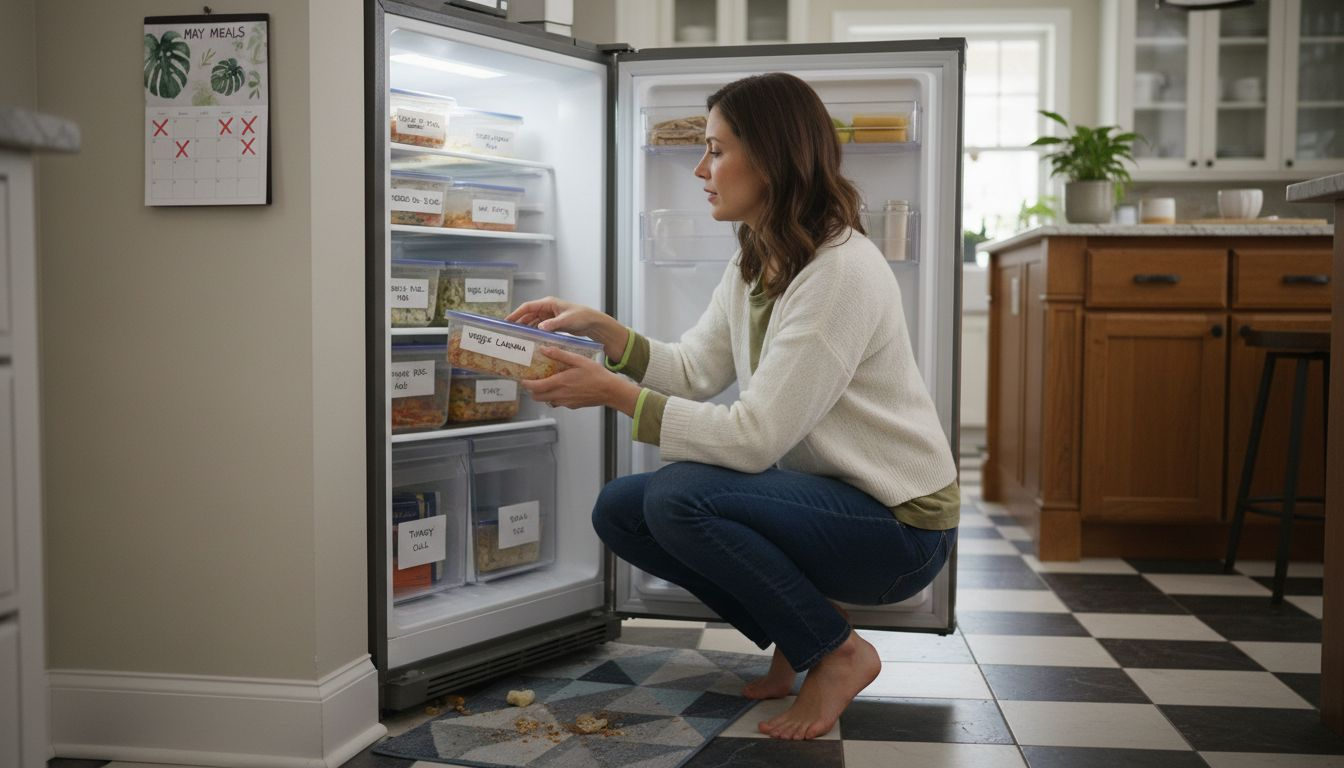
Smart batch cooking techniques involve selecting recipes that scale well and cooking multiple components simultaneously. Invest in large cookware like sheet pans and multi rack ovens that allow you to roast vegetables, bake proteins, and prepare grains concurrently. Use shallow pans for faster cooling and choose containers that facilitate even reheating. Focus on uniform chopping and consistent seasoning to ensure each portion tastes equally delicious.
Portion your meals strategically by using clear storage containers in standard sizes. Create individual portions for quick grab and go lunches and family sized containers for dinner. Label each container with the dish name and date to track freshness. Consider your family’s eating patterns and portion accordingly some weeks you might need more lunch portions versus dinner servings. Proper portioning reduces food waste and makes mealtime significantly easier.
Pro tip: Freeze portions flat in ziplock bags to maximize freezer space and enable faster thawing.
Step 5: Store and Label for Easy Access
Creating an organized storage system for your batch cooked meals is crucial for maintaining food safety and ensuring quick meal access during busy weeks. Your storage strategy will transform your refrigerator and freezer into a well-managed meal resource center.
Batch meal storage techniques require careful attention to cooling and containment. Use airtight containers that prevent contamination and freezer burn. Cool prepared meals rapidly using the cook-chill method to minimize bacterial growth. Choose clear containers that stack easily and allow you to see contents at a glance. Invest in vacuum sealing equipment for longer term storage or meals you plan to freeze for extended periods.
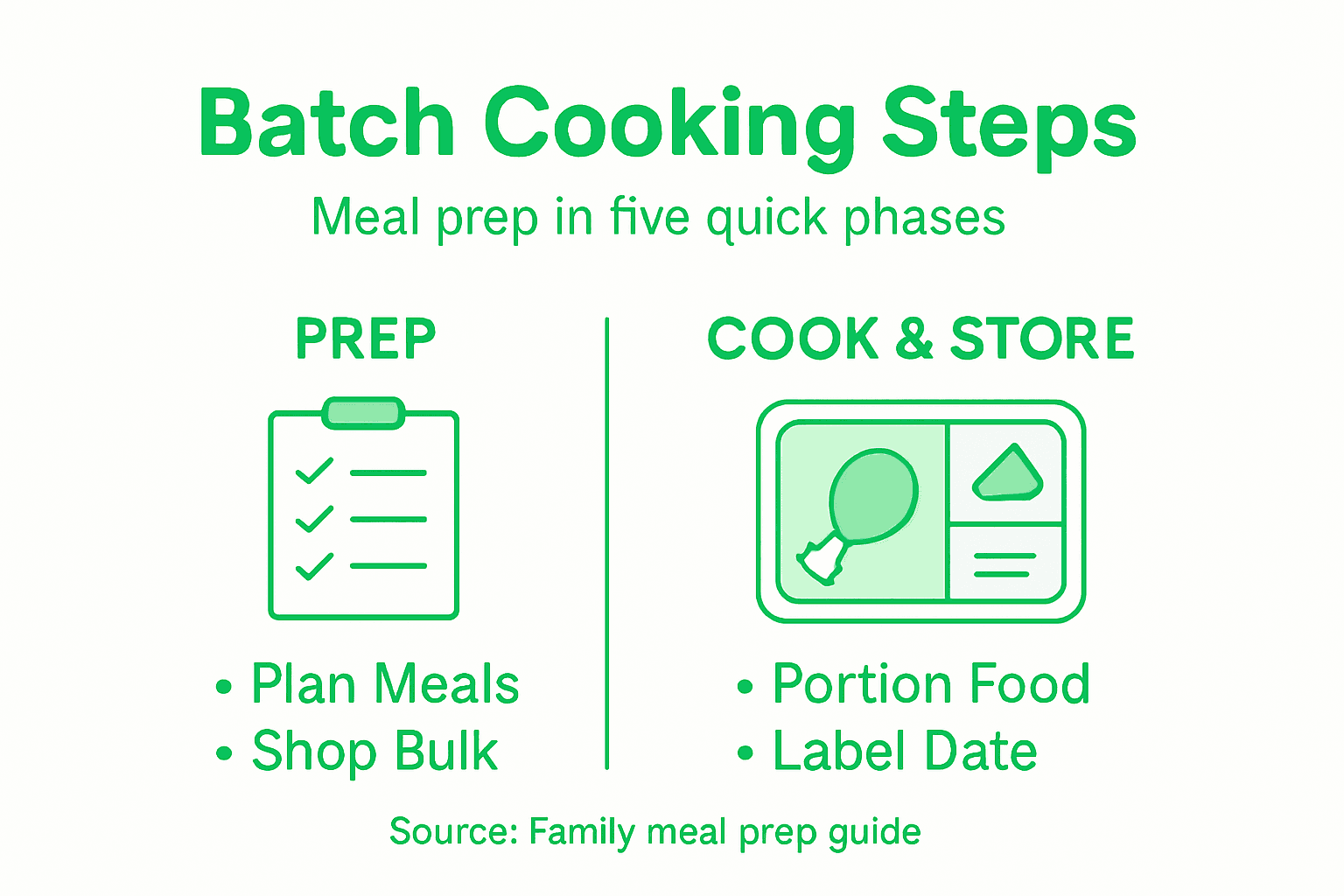
Develop a consistent labeling system that includes the dish name, preparation date, and recommended consumption date. Use waterproof labels or permanent markers to ensure information remains legible. Group similar meals together in your storage spaces and arrange them with the oldest items in front to promote natural rotation. Consider color coding or using specific shelves for different types of meals to streamline your meal selection process.
Pro tip: Create a magnetic whiteboard near your refrigerator to track meal inventory and quickly note what needs to be eaten first.
Step 6: Check Quality and Reheat Safely
Ensuring the safety and quality of your batch cooked meals requires careful attention to reheating techniques and temperature control. Your goal is to transform refrigerated or frozen meals back into delicious, safe dining experiences without compromising taste or nutritional value.
Safe reheating practices demand more than simply warming food. Use equipment that heats thoroughly and evenly across the entire portion. Microwaves require strategic stirring to eliminate cold spots and prevent potential bacterial zones. Aim to heat meals until they are steaming hot throughout and reach an internal temperature of 165 degrees Fahrenheit. Always use a food thermometer to verify complete heating and avoid consuming meals reheated more than once.
Inspect meals before reheating for any signs of spoilage like unusual odors, discoloration, or mold. Different foods require different reheating approaches some fare better in the oven while others work perfectly in a microwave or on the stovetop. Proteins like chicken and fish need gentler reheating to prevent drying out, while stews and casseroles can typically handle more direct heat. Remember that proper reheating is not just about temperature but maintaining the original meal’s texture and flavor.
Pro tip: Add a tablespoon of water or broth when reheating to help restore moisture and prevent food from becoming dry or tough.
This table summarizes safe storage and reheating methods for batch-cooked meals:
| Storage/Reheat Method | Best For | Key Benefit |
|---|---|---|
| Airtight Containers | Refrigerated meals | Maintains freshness |
| Freezer Bags (flat) | Long-term storage | Saves space, fast thawing |
| Vacuum Sealing | Extended freezing | Prevents freezer burn |
| Oven Reheating | Casseroles, proteins | Even heating, better texture |
| Microwave Reheating | Soups, grains | Quick, ideal for small meals |
Simplify Your Batch Cooking with Personalized Meal Plans
Busy parents know that planning and prepping meals ahead is essential to reducing stress and saving time. This article highlights how creating versatile ingredient bases and efficient bulk shopping can transform your hectic weeknight dinners into quick, nutritious meals. However, managing ingredient prep, portioning, and meal variety can still feel overwhelming when balancing family schedules.
That is where Dietium’s Recipians app makes a real difference. By offering AI-powered custom meal plans and recipe suggestions tailored to your family’s unique needs and time constraints, you get the exact guidance needed to streamline batch cooking. Easily sync your preferences to create smart grocery lists, track your nutrition goals, and adjust plans as your week changes. Say goodbye to last-minute dinner dilemmas and hello to stress-free, healthy eating.
Start simplifying your meal prep today by exploring the Recipians app. Take control over your food choices, save precious time, and enjoy wholesome meals tailored just for you. Visit Dietium.com now to unlock personalized batch cooking solutions perfect for busy families.
Frequently Asked Questions
How can I plan meals around my busy family schedule?
To plan meals effectively, identify your family’s busiest days and create flexible meal components that can be assembled quickly. For example, prep bulk ingredients on weekends to make weeknight dinners fast and simple, reducing time spent cooking by 50% during hectic weeks.
What are some efficient grocery shopping tips for batch cooking?
Master efficient bulk ingredient shopping by selecting versatile items that can be used in multiple recipes. Create a detailed list grouped by category to streamline your shopping process, aiming to reduce your grocery expenses by 20% each week by buying only what you need.
What ingredients should I prep for maximum versatility in meals?
Focus on preparing core ingredients like chopped vegetables, pre-cooked grains, and portioned proteins to create meal components that can be mixed and matched. This allows you to create 5 different meals in a week from just 3 base ingredients, saving you both time and effort.
How can I portion meals when batch cooking?
Use clear storage containers to portion meals systematically, creating individual servings for lunches and larger ones for dinners. Label each container with the dish name and date to keep track of freshness, which can help minimize food waste by up to 30%.
What safety measures should I take when reheating batch cooked meals?
Ensure that meals are reheated to an internal temperature of 165 degrees Fahrenheit to eliminate any bacteria. Stir meals in the microwave to avoid cold spots, and consider adding a tablespoon of water or broth to help maintain moisture during reheating.
How should I store my batch cooked meals for easy access?
Store your batch cooked meals in airtight containers to maintain freshness and prevent spoilage. Use a consistent labeling system that includes the dish name and preparation date, which can improve meal selection speed during busy weekdays by 50%.


