 Skip to content

TL;DR:
- Eating seasonally provides higher nutrient content and supports sustainable local food systems. It reduces nutrient loss, lowers environmental impact, and enhances long-term health benefits through diet variety. Incorporating seasonal produce into meals is simple with local markets, CSAs, and seasonal planning.
Seasonal eating is defined as consuming produce harvested at its natural peak, when nutrient density, flavor, and bioactive compound levels are highest. The seasonal eating benefits go far beyond taste. Produce eaten close to harvest delivers more vitamins, polyphenols, and carotenoids than food shipped across continents and stored for weeks. Research confirms that leafy greens lose nearly 50% of their vitamin C within just 3 days of storage and transport. That single fact reframes how you think about the spinach sitting in your grocery store’s refrigerated section.
What are the nutritional advantages of eating seasonal produce?
Seasonal produce delivers measurably higher nutrient content than its off-season counterpart. The reason is straightforward: fruits and vegetables harvested at full ripeness have completed their full biochemical development. Out-of-season produce is typically picked early and treated with post-harvest ripening agents that simulate color and texture but cannot restore the vitamins and phytonutrients that only develop on the plant.
The nutritional gap shows up most clearly in three categories:
- Vitamin C and water-soluble vitamins: These degrade rapidly after harvest. The 50% vitamin C loss in leafy greens within 3 days of storage is a direct consequence of refrigerated transport over long distances. Eating locally sourced, in-season greens closes that gap significantly.
- Polyphenols and carotenoids: These antioxidant compounds reach peak concentration when a plant matures under natural sunlight and temperature cycles. Summer tomatoes, for example, contain far more lycopene than greenhouse-grown winter tomatoes.
- Dietary fiber and gut-active compounds: Bioactive compounds in seasonal produce feed a diverse gut microbiome, supporting immune function and metabolic resilience. Rotating produce through the seasons naturally varies the fiber types and prebiotics your gut receives.
Cooking method also matters. Cooking tomatoes in healthy fats significantly increases lycopene absorption because lycopene is fat-soluble. This synergy between seasonal food and preparation method is something a supplement simply cannot replicate.
Pro Tip: Sauté summer tomatoes in extra-virgin olive oil rather than eating them raw if cardiovascular support is your goal. The fat unlocks lycopene in a way that raw consumption does not.
The nutritional advantages of eating seasonally are not theoretical. They reflect the basic biology of how plants develop and how nutrients behave after harvest. Choosing in-season produce is one of the most direct ways to raise the actual nutrient value of your meals.
How does seasonal eating support environmental sustainability and local economies?
Seasonal eating cuts the environmental cost of your food in two concrete ways: it reduces transportation distance and eliminates the energy-intensive inputs required to grow produce out of its natural cycle. Transportation accounts for nearly 20% of all CO2 emissions in global food trade. For fruit and vegetables specifically, transport alone generates 40% of their total emissions. Choosing local, seasonal produce directly reduces your share of that footprint.
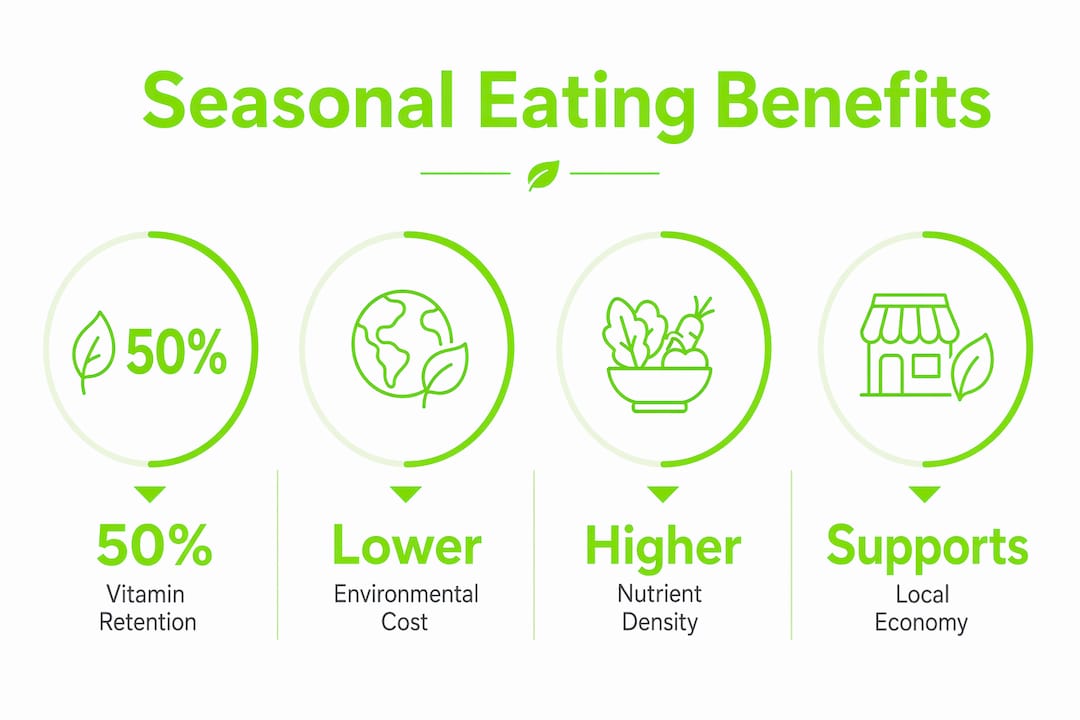
The economic case is equally clear. Seasonal produce costs less because it requires lower electricity, water, and labor inputs compared to forced out-of-season growing. When supply peaks at harvest, market prices drop. You get better nutrition at a lower price point, which makes eco-friendly meal planning a practical financial decision, not just an ethical one.
Supporting local farmers compounds these benefits:
- Local farms spend less on refrigeration and long-haul logistics, keeping more revenue in the community.
- Seasonal farming typically uses less artificial irrigation and synthetic fertilizer than greenhouse or imported production.
- Community-supported agriculture (CSA) programs and farmers markets create direct producer-to-consumer relationships that strengthen regional food systems.
- Reduced packaging requirements for local produce further lower waste and material costs.
Seasonal eating is also identified as an adaptive strategy against climate volatility and global food market instability. When supply chains break down, people who eat locally and seasonally are far less exposed to price shocks and shortages. The environmental and economic benefits of seasonal eating reinforce each other in ways that make this one of the most practical sustainable food choices available.
What are the broader health and lifestyle benefits of seasonal eating?
The health benefits of seasonal eating extend well past vitamins and minerals. Rotating your diet through the seasons creates the kind of dietary variety that directly supports gut microbial diversity. A diverse microbiome is linked to stronger immune responses, better mood regulation, and lower systemic inflammation. Seasonal diets increase gut microbiome diversity by continuously introducing varied bioactive compounds that feed different microbial populations. Eating the same foods year-round, regardless of season, narrows that microbial range.

The metabolic case for seasonal eating is grounded in traditional dietary systems. Ritucharya, the Ayurvedic framework for seasonal dietary adjustment, prescribes specific foods aligned with each season’s metabolic demands. Modern research supports this logic: seasonal dietary adjustments optimize metabolic efficiency by aligning nutrient intake with the body’s natural energy cycles and detoxification rhythms. Spring greens support liver function. Summer fruits provide hydration and antioxidants during heat stress. Root vegetables in winter deliver slow-burning carbohydrates suited to lower activity levels.
The lifestyle benefits are just as significant:
- Improved food enjoyment: Seasonal produce harvested at peak ripeness has superior flavor. Better-tasting food makes healthy eating easier to sustain long-term.
- Stronger diet adherence: Dietitians confirm that seasonal eating reconnects people to food enjoyment and biodiversity, which supports consistent healthy eating habits.
- Mental health support: Diet quality directly influences mood and energy. Seasonal shifts in produce introduce new nutrients at times when the body’s needs change, which can support mental wellness through diet adjustments across the year.
- Immune resilience: Rotating seasonal foods through the year continuously challenges and trains the immune system via the gut-immune axis.
Pro Tip: Track which seasonal foods you eat each month using a simple food log. After 8 weeks, you will likely notice patterns between your energy levels and the produce you consumed most. Dietium’s food tracking tools make this process straightforward.
The impact of seasonal diets on overall wellness is cumulative. Each season’s produce builds on the last, creating a year-round nutritional foundation that a static diet simply cannot match.
How to incorporate seasonal eating into everyday life
Accessing the advantages of eating seasonally does not require a dramatic overhaul of your routine. The most effective starting point is sourcing. Farmers markets, CSA box subscriptions, and local co-ops consistently offer produce harvested within days rather than weeks. That proximity is the single biggest factor in nutrient retention.
Practical steps to build a seasonal eating habit:
- Use a seasonal food calendar. The USDA and many state agricultural departments publish free seasonal produce guides by region. Match your shopping list to what is currently in season in your area.
- Prioritize vine-ripened produce. Locally sourced, vine-ripened produce avoids the nutritional degradation caused by early harvest and artificial ripening. Ask vendors directly when produce was picked.
- Plan meals around what is available, not the other way around. Build your weekly meal planning around the season’s peak produce, then add proteins and grains around it.
- Freeze or preserve peak-season produce. Blanching and freezing summer berries or corn locks in nutrients at their highest point. This extends seasonal eating benefits into months when fresh options are limited.
- Rotate cooking methods by season. Raw preparations work well for summer produce with high water-soluble vitamin content. Roasting and sautéing in healthy fats suit fall and winter vegetables, improving bioavailability of fat-soluble nutrients like beta-carotene and lycopene.
Pro Tip: Join a CSA program in late winter before the spring season begins. Spots fill quickly, and early enrollment often comes with a price discount. You also get the benefit of a farmer selecting peak produce for you each week.
Meal prepping with seasonal ingredients also makes healthy eating more consistent. Planning ahead with what is fresh and affordable reduces the temptation to rely on processed foods when time is short. Seasonal eating for wellness works best when it becomes a default habit rather than an occasional choice.
Key takeaways
Seasonal eating delivers measurably higher nutrient density, lower environmental cost, and stronger long-term diet adherence compared to year-round consumption of out-of-season produce.
| Point | Details |
|---|---|
| Nutrient density drops fast | Leafy greens lose up to 50% of vitamin C within 3 days of harvest, making freshness critical. |
| Transport drives emissions | Food transport generates nearly 20% of global food trade CO2, making local sourcing a direct environmental win. |
| Gut health improves with variety | Rotating seasonal produce feeds diverse gut microbiome populations, supporting immunity and metabolic health. |
| Seasonal produce costs less | Lower energy, water, and labor inputs make in-season produce more affordable than forced out-of-season alternatives. |
| Cooking method amplifies benefits | Fat-soluble nutrients like lycopene absorb better when seasonal produce is cooked in healthy fats. |
Why I think most people underestimate seasonal eating
I have spent years looking at nutrition research, and the finding that consistently gets overlooked is how much nutrient loss happens before food even reaches your plate. Most people assume that a tomato is a tomato. The data says otherwise. A tomato picked green in Mexico and ripened with ethylene gas in a warehouse is a fundamentally different food from one picked ripe off a local vine in august. The vitamin and polyphenol profiles are not even close.
What changed my thinking was not a single study. It was the cumulative pattern across traditional dietary systems, modern gut microbiome research, and basic food chemistry. Ritucharya, Ayurvedic seasonal eating, and Mediterranean dietary traditions all converge on the same principle: eat what grows where you are, when it grows. That is not nostalgia. That is metabolic logic.
The mistake I see most often is treating seasonal eating as an all-or-nothing commitment. People hear “eat seasonally” and picture giving up everything that does not grow locally in winter. That is not the point. The point is to prioritize seasonal produce when it is available and understand what you are trading away when you choose the off-season alternative. Even shifting 40% of your produce to seasonal and local sources produces real nutritional and environmental gains.
The other underrated benefit is enjoyment. A peak-season peach in july tastes nothing like the hard, flavorless version available in january. Better-tasting food is food you actually eat. That connection between flavor and sustainable eating habits is one of the most underappreciated drivers of long-term diet quality.
— Srasti
Dietium and personalized nutrition that works with the seasons
Dietium’s personalized meal plans are built to adapt to your nutritional goals and the foods actually available to you. The Recipians app generates meal suggestions and recipes that align with seasonal produce, so your plan stays practical and nutrient-dense throughout the year. Dietium also offers nutritional assessment tools that help you understand your current intake and identify gaps that seasonal eating can fill. Whether you are building a plan around summer produce or adjusting for winter root vegetables, Dietium gives you the data and structure to make seasonal meal planning work for your specific health goals.
FAQ
What are the main seasonal eating benefits for health?
Seasonal eating delivers higher vitamin, antioxidant, and fiber content because produce is harvested at full ripeness. It also supports gut microbiome diversity by rotating bioactive compounds throughout the year.
How does eating seasonally reduce nutrient loss?
Produce loses nutrients rapidly after harvest. Leafy greens can lose up to 50% of their vitamin C within 3 days, so eating locally sourced seasonal food minimizes the time between harvest and consumption.
Is seasonal produce actually cheaper?
Seasonal produce costs less because it requires lower electricity, water, and labor inputs than out-of-season growing. Market surplus during peak harvest also drives prices down.
How does seasonal eating support gut health?
Rotating seasonal produce introduces varied bioactive compounds and fiber types that feed different gut bacteria. This diversity strengthens immune function and metabolic resilience over time.
What is the easiest way to start eating seasonally?
Start by checking a regional seasonal produce calendar and shopping at a local farmers market or joining a CSA program. Build your weekly meals around what is currently in season rather than a fixed ingredient list.


