 Skip to content

Spotting ripe strawberries at a local market and wondering why they taste different from supermarket fruit is a reality for many. With growing interest in wellness, urban health enthusiasts are discovering that eating foods in sync with nature’s rhythm brings more than flavor. This article unpacks how seasonal eating supports healthier nutrition, reduces environmental impact, and fits seamlessly into modern tech-driven meal planning for smarter wellness and weight management.
Table of Contents
- Seasonal Eating Defined And Common Misconceptions
- Nutritional Benefits Of Eating Seasonally
- Environmental And Economic Impact Factors
- Best Foods To Enjoy In Each Season
- How To Plan Your Seasonal Meals
- Leveraging Technology For Smarter Choices
Key Takeaways
| Point | Details |
|---|---|
| Seasonal Eating Benefits | Consuming foods during their natural harvest periods enhances nutritional value and supports environmental sustainability. |
| Local Economic Support | Choosing seasonal produce fosters local agricultural economies and reduces reliance on industrial food systems. |
| Nutritional Diversity | Eating seasonally encourages a varied diet, optimizing nutrient intake aligned with the body’s changing needs throughout the year. |
| Meal Planning Strategies | Developing flexible meal plans based on local seasonal availability can maximize culinary variety and nutritional benefits. |
Seasonal Eating Defined and Common Misconceptions
Seasonal eating represents a nutritional approach centered on consuming foods that are naturally harvested during their peak growing periods within a specific region or climate. Global and local seasonal food patterns demonstrate complex interactions between dietary choices, environmental sustainability, and nutritional value.
At its core, seasonal eating involves understanding when specific fruits, vegetables, and other produce naturally grow and thrive in a particular geographic location. Unlike conventional grocery shopping where consumers can access virtually any food year-round, seasonal eating emphasizes consuming foods during their natural harvest windows. This approach means strawberries are enjoyed in summer, squash in autumn, and root vegetables during winter months. The practice goes beyond simple timing and connects consumers more intimately with agricultural rhythms and local food systems.
Numerous misconceptions surround seasonal eating that can discourage potential adopters. Many people believe seasonal eating requires extreme dietary restrictions or is only feasible for those living in agricultural regions. In reality, seasonal food consumption supports diverse dietary needs while potentially reducing greenhouse gas emissions associated with long-distance food transportation. Urban dwellers can participate through farmers markets, community supported agriculture programs, and mindful grocery selections that prioritize locally grown produce.
Pro tip: Start your seasonal eating journey by identifying 3-5 produce items naturally abundant in your region during each season, gradually incorporating them into your meal planning.
Nutritional Benefits of Eating Seasonally
Seasonal eating offers profound nutritional advantages that extend far beyond basic dietary preferences. Nutrient density peaks during seasonal harvests, with fruits and vegetables containing higher concentrations of vitamins, minerals, and antioxidants when consumed during their natural growing periods. This nutritional richness stems from produce being harvested at peak ripeness, ensuring maximum nutrient retention compared to foods transported long distances or stored for extended periods.

The nutritional profile of seasonal foods varies dramatically across different times of year, creating a natural dietary diversity that supports overall health. Summer brings vibrant, water-rich produce like tomatoes and berries packed with lycopene and anthocyanins, while winter offers dense root vegetables loaded with complex carbohydrates and fiber. Seasonal produce supports comprehensive nutritional intake by introducing a rotating array of nutrients that align with the body’s changing metabolic needs throughout different seasons.
Beyond individual nutritional benefits, seasonal eating promotes a more holistic approach to nutrition that reconnects consumers with natural agricultural cycles. By consuming foods grown locally and harvested at their prime, individuals can experience enhanced flavor profiles, improved nutrient absorption, and reduced reliance on processed or long-transported food options. The practice supports not just personal health, but also encourages sustainable food systems and local agricultural economies. Whole food diet principles further complement this approach, emphasizing minimally processed, nutrient-dense food choices that maximize nutritional value.
Pro tip: Create a seasonal produce calendar for your region to help plan meals that maximize nutritional diversity and support your health throughout the year.
Environmental and Economic Impact Factors
Seasonal food consumption significantly reduces environmental footprints by minimizing energy-intensive transportation and production methods. The environmental impact extends beyond simple transportation metrics, encompassing complex interactions between agricultural practices, energy consumption, and regional food systems. By prioritizing locally grown, seasonally available produce, consumers can directly contribute to reducing greenhouse gas emissions and supporting more sustainable agricultural ecosystems.
The economic implications of seasonal eating are equally profound, particularly for local and regional agricultural economies. When consumers choose seasonal produce, they create direct economic opportunities for local farmers, enabling more sustainable agricultural practices and reducing dependency on large-scale industrial food production. These economic benefits translate into tangible community support, helping maintain agricultural biodiversity and preserving traditional farming practices that have historically been marginalized by globalized food systems.
Sustainable food production strategies demonstrate that seasonal eating can dramatically reduce resource consumption. By aligning food consumption with natural growing cycles, communities can minimize artificial environmental interventions like heated greenhouses, extensive irrigation systems, and long-distance transportation networks. This approach not only reduces carbon emissions but also creates a more resilient and adaptive food infrastructure that responds more naturally to local environmental conditions and seasonal variations.
Pro tip: Research local farmers markets and community supported agriculture programs to directly support seasonal, environmentally responsible food production in your region.
Compare the environmental and economic impacts of seasonal vs. imported food:
| Factor | Seasonal Local Food | Imported Out-of-Season Food |
|---|---|---|
| Transportation | Minimal, local distances | Long haul, global shipping |
| Carbon Emissions | Lower overall emissions | Significant greenhouse gases |
| Support for Farmers | Direct local support | Benefits large producers |
| Economic Impact | Strengthens regional economy | Funds global food markets |
Best Foods to Enjoy in Each Season
Seasonal produce diversity transforms nutritional experiences throughout the year, offering unique flavors and health benefits aligned with nature’s rhythmic growing cycles. Spring brings delicate, nutrient-packed vegetables like asparagus and spinach, signaling the renewal of fresh produce after winter’s dormancy. These early-season foods are typically lighter and more tender, providing essential vitamins and minerals that help transition the body from winter’s heavier dietary patterns.
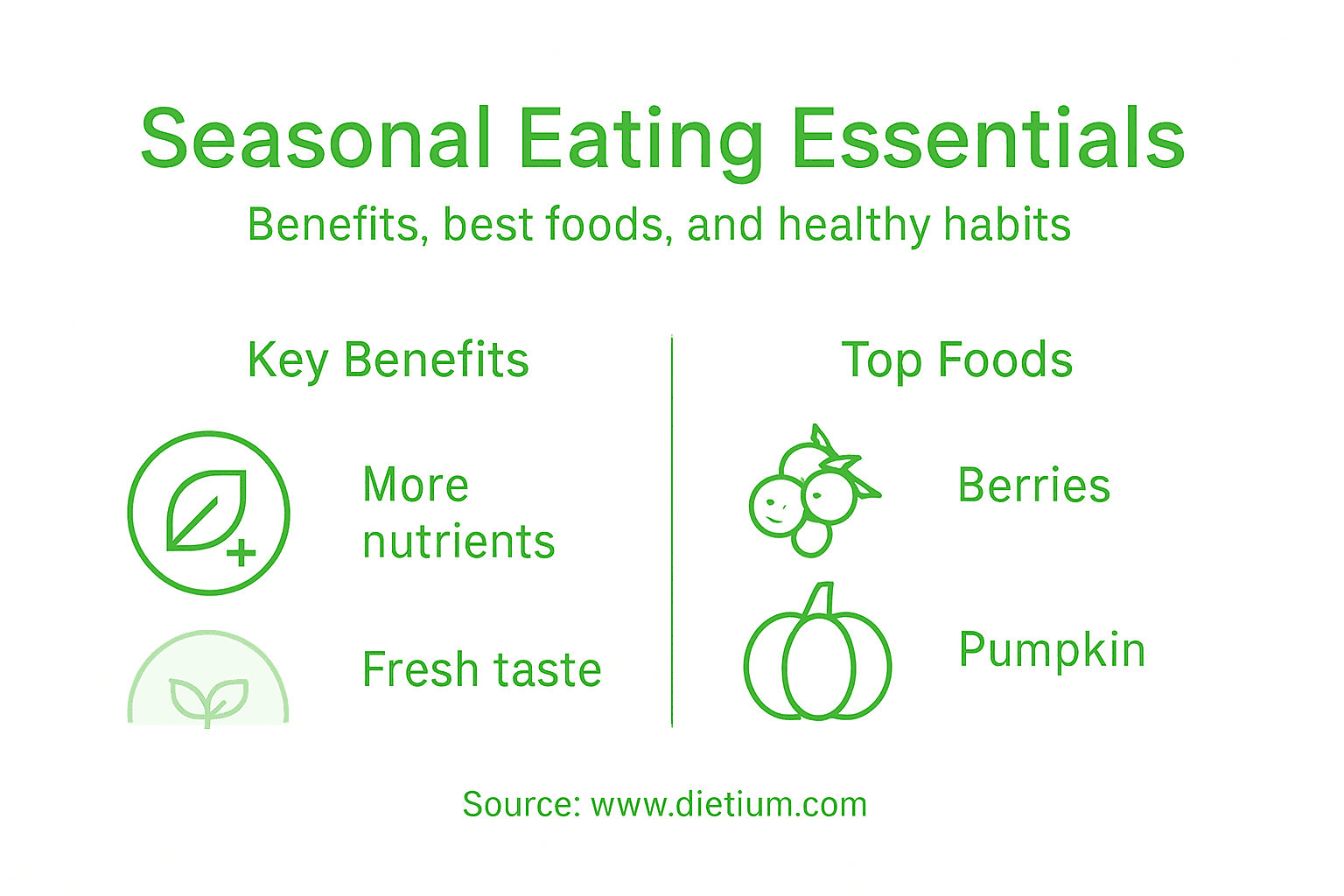
Summer explodes with vibrant, water-rich produce that supports hydration and energy. Berries, tomatoes, and corn dominate this season, packed with antioxidants and natural sugars that fuel active lifestyles. Regional seasonal produce varies dramatically between different climatic zones, encouraging consumers to explore local agricultural offerings and connect more intimately with their food systems. Farmers markets become treasure troves of fresh, sun-ripened ingredients that capture the essence of summer’s nutritional abundance.
Autumn and winter bring hearty, warming foods that support metabolic needs during cooler months. Pumpkins, sweet potatoes, apples, and root vegetables offer complex carbohydrates and robust flavors that help maintain body temperature and provide sustained energy. These seasonal foods are typically rich in fiber, complex nutrients, and natural preservation compounds that support immune function during colder periods. Citrus fruits, kale, and Brussels sprouts become nutritional powerhouses, delivering concentrated vitamins and minerals when the body most needs immune support.
Pro tip: Create a seasonal produce calendar specific to your region to plan meals that maximize freshness, nutrition, and culinary variety throughout the year.
Here’s a quick reference summarizing nutritional highlights for each season:
| Season | Key Nutrients Focused | Example Produce | Main Health Benefit |
|---|---|---|---|
| Spring | Vitamin K, Folate | Asparagus, Spinach | Supports renewal and energy |
| Summer | Antioxidants, Vitamin C | Tomatoes, Berries, Corn | Hydration and protection |
| Autumn | Fiber, Beta-Carotene | Pumpkins, Apples, Squash | Sustained energy and immunity |
| Winter | Vitamin C, Complex Carbs | Citrus, Kale, Sweet Potatoes | Immune support, warmth |
How to Plan Your Seasonal Meals
Effective meal planning requires strategic approaches that prioritize seasonal ingredient availability and nutritional balance. Understanding your local growing seasons becomes the foundation of successful seasonal meal preparation. This involves researching which produce is naturally abundant during different months in your specific geographic region, allowing you to design meals that leverage peak freshness and nutritional density.
Meal preparation strategies should incorporate flexibility and creativity. Begin by creating a weekly framework that allows for adaptation based on what’s currently available at local farmers markets or grocery stores. Seasonal meal planning maximizes nutritional potential by helping consumers develop meal structures that rotate ingredients strategically. This approach means designing dinner templates that can easily accommodate whatever fresh produce is most abundant, rather than rigidly adhering to pre-determined recipes.
Technical meal planning requires practical organizational skills. Develop a systematic approach by maintaining a running inventory of your pantry, tracking seasonal produce availability, and creating flexible meal templates that can be adjusted based on ingredient accessibility. Consider techniques like batch cooking seasonal vegetables, preparing versatile grain bases, and maintaining a collection of adaptable sauce and seasoning recipes that can transform simple ingredients into diverse, exciting meals. Cooking with seasonal ingredients becomes an intuitive process when you develop a mindset of culinary adaptability.
Pro tip: Invest in a local seasonal produce calendar and create a meal planning worksheet that allows you to sketch out weekly menu ideas based on current agricultural availability.
Leveraging Technology for Smarter Choices
Digital food recommendation systems are revolutionizing how consumers approach seasonal eating and nutritional decision-making. Modern technological innovations provide unprecedented insights into food choices, enabling individuals to make more informed, personalized dietary decisions. These advanced platforms analyze individual health metrics, dietary preferences, and local seasonal availability to generate tailored nutritional recommendations that support both personal wellness and sustainable food consumption.
Smart technology transforms seasonal eating from a complex challenge into an accessible, intuitive experience. Mobile applications and digital platforms now offer real-time tracking of local produce availability, nutritional content, and seasonal variations. Food safety technologies enhance consumer choices by providing transparent information about food origin, production practices, and nutritional profiles. These digital tools empower consumers to make more conscious decisions about their dietary habits, bridging the gap between nutrition science and practical meal planning.
The intersection of artificial intelligence, data analytics, and nutritional science creates powerful personalization tools. Personalized meal plans now leverage machine learning algorithms to generate dynamic recommendations that adapt to individual health goals, seasonal produce availability, and changing nutritional needs. These technologies not only provide guidance but also educate consumers about the importance of seasonal, locally sourced foods, transforming dietary choices from routine transactions into strategic health investments.
Pro tip: Explore nutrition apps that offer seasonal food tracking and personalized meal recommendations to streamline your health and wellness journey.
Unlock the Power of Seasonal Eating with Personalized Nutrition
Seasonal eating presents a valuable way to maximize your nutrition and support environmental sustainability by consuming foods at their peak freshness. If you have struggled with meal planning around seasonal produce or worry about getting the right nutrients year-round, you are not alone. Many seek guidance on how to incorporate diverse, nutrient-dense foods efficiently while aligning with natural cycles. The challenge often lies in translating seasonal availability into easy, delicious meals that fuel your wellness goals.
Dietium.com offers the perfect solution through the Recipians app. This AI-powered platform crafts custom meal plans tailored to your preferences and regionally available seasonal ingredients. You gain access to recipe suggestions, nutrition tracking, and fitness routines that adapt as the seasons change—making seasonal eating simple and sustainable. Start benefiting today from expert-backed nutritional planning that respects both your health and local food systems. Explore smart, seasonal meal planning now at Dietium Recipians and take control of your wellness journey.
Frequently Asked Questions
What is seasonal eating?
Seasonal eating is a nutritional approach that focuses on consuming foods that are naturally harvested during their peak growing periods in a specific geographic area. It emphasizes eating fruits, vegetables, and other produce at their optimal freshness.
What are the nutritional benefits of eating seasonally?
Eating seasonally can enhance nutrient density, as fruits and vegetables are harvested at their peak ripeness, leading to higher concentrations of vitamins, minerals, and antioxidants. This practice can also support overall health by introducing a diverse range of foods aligned with the body’s changing metabolic needs throughout the year.
How does seasonal eating impact the environment?
Seasonal eating significantly reduces environmental footprints by minimizing energy-intensive transportation and production methods. It encourages consumers to choose locally grown produce, thus lowering greenhouse gas emissions and supporting sustainable agricultural practices.
How can I plan my meals around seasonal produce?
To plan meals around seasonal produce, research which fruits and vegetables are available during different times of the year in your area. Create a seasonal produce calendar and develop flexible meal templates that allow for adaptation based on current ingredient availability.


