 Skip to content

TL;DR:
- Managing hunger involves regulating hormones like ghrelin, leptin, and GLP-1 through diet, sleep, and lifestyle habits. Eating sufficient protein and fiber, front-loading calories, and practicing mindful techniques help keep hunger predictable and manageable. Environment and routine improvements reduce reliance on willpower by making hunger signals more controllable.
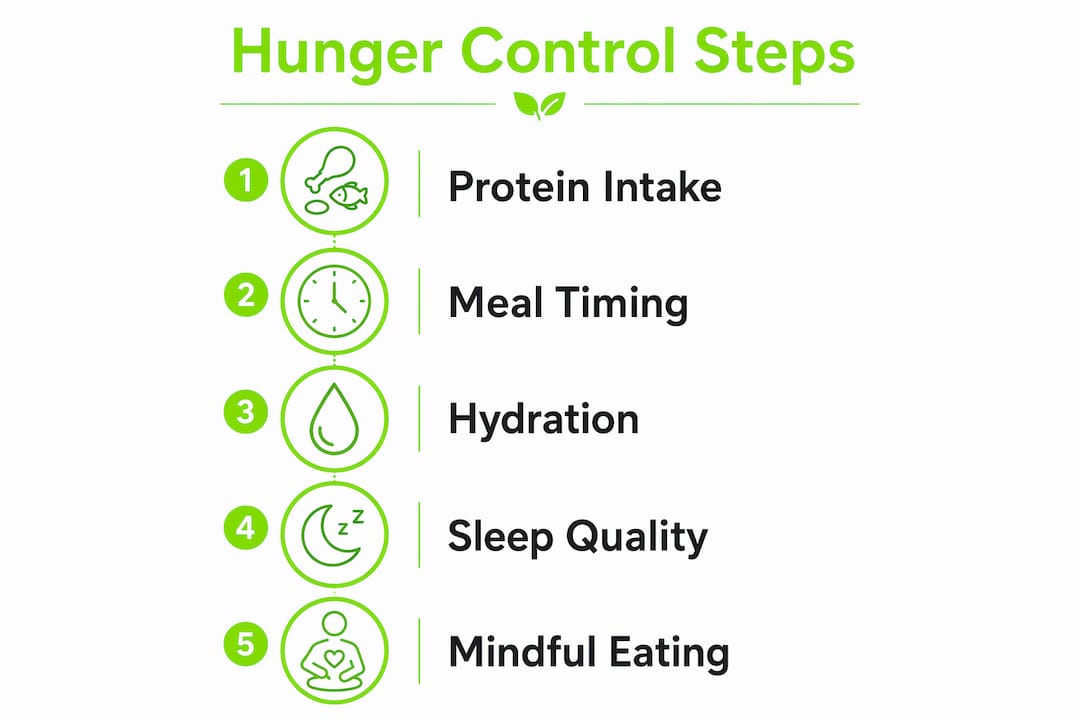
Hunger management is the practice of regulating appetite hormones and eating behaviors to reduce overeating and support weight control. You can manage hunger effectively by targeting three key levers: adequate protein and fiber intake, consistent meal timing, and lifestyle habits like sleep and stress control. These strategies work by modulating ghrelin, leptin, and GLP-1, the hormones that drive and suppress appetite. The goal is not to eliminate hunger but to keep it predictable and manageable. When you understand the biology behind your cravings, you gain real control over your eating patterns.
How to manage hunger: the hormonal foundation
Hunger is not a simple on/off signal. It is a hormonal conversation between your gut, brain, and fat tissue, and you can influence that conversation directly.
Ghrelin is the primary hunger hormone. It rises before meals and falls after eating. Consistent meal timing stabilizes ghrelin peaks through neuroplasticity, meaning your body learns when to expect food and stops sending urgent hunger signals at random times. Skipping meals or eating erratically keeps ghrelin unpredictable and makes appetite harder to control.
Leptin signals fullness and tells your brain you have enough stored energy. Sleep deprivation and excess body fat both reduce leptin sensitivity. When leptin stops working properly, your brain reads a false state of starvation even when you have eaten enough.
GLP-1 is a satiety hormone released in the gut after eating. Protein and fermentable fiber directly stimulate GLP-1 release, which slows digestion and helps meals end sooner. Foods like lentils, oats, and chicken breast are practical examples that trigger this response.
One insight that changes how most people think about hunger: hunger comes in waves. A ghrelin surge typically fades about two hours after your expected meal time if you delay eating. Riding that wave instead of immediately responding to it trains your body to tolerate longer gaps between meals without distress.
- Ghrelin rises before meals and drops after eating
- Leptin sensitivity decreases with poor sleep and excess weight
- GLP-1 is stimulated by protein and fermentable fiber
- Hunger waves are cyclical and predictable, not permanent
Pro Tip: If you feel hungry between meals, drink a glass of water and wait 10 minutes. Ghrelin surges are temporary, and hydration often reduces the urgency.
How should you structure meals to control appetite?
Meal structure is the single most controllable variable in appetite management. What you eat, when you eat it, and how you combine macronutrients determines how long you stay full.

Protein and fiber targets
Aim for 25–40 g of protein per meal to blunt ghrelin and support satiety hormones. For daily fiber, the target is 25–38 g. These are not arbitrary numbers. Protein requires more energy to digest than carbohydrates or fat, and it directly stimulates GLP-1 and peptide YY, both of which signal fullness to the brain. Fiber slows gastric emptying, keeping you fuller longer without adding significant calories.
Pairing carbohydrates with protein and fiber stabilizes blood sugar. Eating refined carbs alone, such as white bread or crackers without any protein, causes a rapid glucose spike followed by a crash that triggers hunger within one to two hours. Adding eggs, Greek yogurt, or legumes to the same meal changes the entire hormonal response.
Meal timing and calorie distribution
Under-eating protein early in the day leads directly to evening overeating. Redistributing calories toward breakfast and lunch reduces late-day hunger intensity. A protein-rich breakfast of eggs, cottage cheese, or smoked salmon sets your satiety hormones up for the rest of the day. Saving most of your calories for dinner works against your biology.
| Meal timing approach | Benefit | Drawback |
|---|---|---|
| Front-loaded (big breakfast, moderate lunch) | Reduces evening hunger, stabilizes ghrelin | Requires morning appetite and meal prep |
| Intermittent fasting (16:8 window) | Simplifies eating decisions, may reduce total intake | Can increase ghrelin spikes during fasting window |
| Three structured meals, no snacks | Trains ghrelin to predictable peaks | Requires consistent schedule, harder with irregular work hours |
| Grazing (5–6 small meals) | Prevents large hunger spikes | Can increase total calorie intake if portions are not tracked |
High-volume, nutrient-dense foods are another practical tool. Vegetables like broccoli, cucumber, and leafy greens add bulk to meals without significant calories. They stretch the stomach, which sends mechanical fullness signals to the brain independent of hormones.
- Eat 25–40 g of protein per meal
- Reach 25–38 g of fiber daily through vegetables, legumes, and whole grains
- Pair every carbohydrate source with protein or fiber
- Front-load calories toward breakfast and lunch
- Choose high-volume vegetables to increase meal bulk
Pro Tip: Build your plate in this order: protein first, vegetables second, carbohydrates third. This sequence naturally limits carb portions and increases protein and fiber density per meal.
What lifestyle habits support hunger management beyond diet?
Diet alone does not control hunger. Sleep, hydration, stress, and physical activity all influence appetite hormones in measurable ways.
Sleep
Sleeping 7–9 hours per night regulates appetite and reduces daily caloric intake by about 340 kcal, primarily from sweets. That reduction comes from restored leptin sensitivity and lower ghrelin levels. Sleep deprivation raises ghrelin and lowers leptin simultaneously, creating a double drive toward overeating. Prioritizing sleep is one of the highest-return habits for appetite control.
Hydration
Drinking water before and during meals creates a sense of fullness and reduces the risk of overconsumption. Thirst and hunger share overlapping signals in the brain, and many people eat when they are actually dehydrated. Carrying a water bottle and drinking consistently throughout the day removes this confusion.
Stress management
Stress raises cortisol, which increases appetite and specifically drives cravings for high-fat, high-sugar foods. Mindfulness practices, short walks, and consistent sleep schedules all reduce cortisol. Emotional eating, driven by boredom or anxiety rather than physical hunger, accounts for a significant portion of unplanned calorie intake. Recognizing the trigger is the first step toward breaking the pattern.
Physical activity and environment
Moderate exercise, particularly resistance training and walking, improves insulin sensitivity and supports leptin function. The timing of exercise relative to meals can shift appetite, with some people finding that morning workouts reduce hunger later in the day. Reducing exposure to ultra-processed foods at home also matters. When high-calorie, low-nutrient foods are not visible or easily accessible, the decision to eat them requires more effort, which reduces impulsive eating.
- Sleep 7–9 hours to restore leptin sensitivity and reduce ghrelin
- Drink water consistently to distinguish thirst from hunger
- Manage stress through movement, sleep, and mindfulness
- Remove ultra-processed foods from your immediate environment
- Time exercise to support your natural appetite rhythm
Which mindful eating techniques prevent overeating?
Mindful eating is the practice of paying deliberate attention to hunger signals, food choices, and eating pace. It is one of the most effective hunger control techniques for reducing calorie intake without strict dieting.
Taking 15–20 minutes per meal and putting utensils down between bites gives the gut time to release satiety hormones before you finish eating. The brain receives fullness signals with a delay of roughly 15–20 minutes after the stomach begins filling. Eating quickly bypasses this feedback loop entirely.
Using smaller plates triggers a psychological satiety signal. The same portion of food looks larger on a smaller plate, which primes the brain to register more food consumed. This is not a trick. It reflects how the brain processes visual cues alongside physical fullness.
Eliminating screens during meals is equally important. Distracted eating reduces awareness of how much you have consumed and delays recognition of fullness. Studies on distracted eating consistently show higher calorie intake when people eat while watching television or scrolling through their phones.
Keeping a food diary sharpens hunger awareness. Writing down what you ate, when, and how hungry you were before and after each meal reveals patterns you would otherwise miss. You may notice that you eat out of habit at certain times regardless of actual hunger.
| Mindful eating technique | Primary benefit |
|---|---|
| 15–20 minute meal pacing | Allows satiety hormones to signal fullness before overeating |
| Smaller plates | Reduces portion size through visual perception |
| No screens during meals | Increases awareness of intake and fullness cues |
| Food diary | Identifies emotional and habitual eating patterns |
| Pause before eating | Distinguishes physical hunger from stress or boredom |
Stress, boredom, and dehydration are the most common triggers mistaken for true hunger. Pausing for 10 minutes and drinking water before eating clarifies whether the urge is physical or psychological. This single habit, practiced consistently, reduces unnecessary snacking more than most dietary changes.
Pro Tip: Before any unplanned snack, ask yourself: “Am I physically hungry, or am I bored, stressed, or thirsty?” If you cannot answer confidently, drink water and wait 10 minutes. Real hunger returns. Cravings often fade. You can build this habit further with mindful eating exercises that retrain your response to food cues over time.
Key Takeaways
Effective hunger management requires modulating ghrelin, leptin, and GLP-1 through protein intake, consistent meal timing, quality sleep, hydration, and mindful eating rather than willpower alone.
| Point | Details |
|---|---|
| Target protein per meal | Eat 25–40 g of protein per meal to blunt ghrelin and stimulate satiety hormones. |
| Front-load your calories | Eat a substantial breakfast and lunch to prevent evening hunger and overeating. |
| Sleep 7–9 hours | Adequate sleep reduces daily caloric intake by about 340 kcal by restoring leptin sensitivity. |
| Pace your meals | Take 15–20 minutes per meal to allow satiety hormones to signal fullness before you finish. |
| Distinguish hunger from cravings | Pause, hydrate, and wait 10 minutes before unplanned snacks to identify true physical hunger. |
Why willpower is the wrong tool for managing hunger
Most people approach hunger as a discipline problem. They believe that if they just had more self-control, they would stop overeating. That framing is wrong, and it sets people up to fail repeatedly.
Hunger is a biological signal driven by hormones that evolved to keep you alive. Trying to override ghrelin with willpower is like trying to hold your breath indefinitely. You can do it briefly, but the drive eventually wins. The people who manage hunger most effectively are not the ones with the strongest willpower. They are the ones who structure their environment and eating patterns so that hunger stays predictable and manageable.
The concept of riding the hunger wave changed how I think about appetite entirely. Hunger peaks and then fades. If you can tolerate the peak without eating, the urgency passes. Over time, your body adapts and the peaks become less intense. This is not about suffering through hunger. It is about recognizing that the feeling is temporary and hormonal, not an emergency.
The other shift that matters most is moving calories earlier in the day. Redistributing intake toward breakfast and lunch is the single most effective change for reducing evening hunger. Most people do the opposite. They skip breakfast, eat a light lunch, and then feel ravenous by 7 p.m. That pattern is not a character flaw. It is a predictable biological consequence of under-fueling earlier in the day.
Sustainable hunger control comes from consistent habits, not perfect days. Build the protein target, the sleep routine, and the meal timing into your daily structure. The cravings become quieter. The hunger waves become shorter. And the need for willpower almost disappears.
— Srasti
Build a meal plan that keeps hunger in check
Knowing the strategies is one thing. Executing them consistently across a full week of meals is where most people struggle. Dietium’s personalized diet plans are built around your specific protein, fiber, and calorie targets, with meal timing structured to front-load your intake and reduce evening hunger. The Recipians app generates custom meal plans and recipe suggestions aligned with your goals, so you are not guessing at portion sizes or macros. For a deeper look at how tailored nutrition supports appetite control, Dietium’s evidence-based meal plans cover the clinical frameworks behind sustainable weight and wellness. If you want data-driven guidance that removes the guesswork, start with a personalized plan.
FAQ
What is the fastest way to reduce hunger pangs?
Drink a glass of water and wait 10 minutes. Ghrelin surges are temporary, and hydration often reduces urgency before a true hunger signal returns.
How much protein do I need per meal to control appetite?
Aim for 25–40 g of protein per meal. This range blunts ghrelin and stimulates GLP-1 and peptide YY, both of which signal fullness to the brain.
Does sleep really affect how hungry I feel?
Yes. Sleeping 7–9 hours per night reduces daily caloric intake by about 340 kcal by restoring leptin sensitivity and lowering ghrelin levels.
How do I stop overeating at night?
Redistribute calories toward breakfast and lunch. Under-eating early in the day is the primary driver of evening hunger and late-night overeating.
What is the difference between physical hunger and a craving?
Physical hunger builds gradually and responds to any food. Cravings are sudden, specific, and often triggered by stress, boredom, or dehydration rather than a true caloric need.


