 Skip to content

TL;DR:
- Affordable meal prep for weight loss relies on cost-effective, nutrient-dense foods that promote satiety through high protein and fiber intake. Building a system with simple components like basic proteins, carbs, and vegetables allows for variety and consistency while keeping costs low. Focused on short ingredient lists and batch cooking, this approach results in significant savings and sustainable progress without overcomplicating meal planning.
Cheap meal prep for weight loss is a system of affordable, nutritious meals built around a moderate calorie deficit, high-protein staples, and repeatable batch cooking. The core principle is simple: protein and fiber keep you full longer by influencing appetite hormones like GLP-1 and PYY, which means you eat less without feeling deprived. Whole foods like eggs, lentils, oats, and brown rice cost very little per serving and deliver exactly that combination. A sustainable calorie deficit of 300–500 calories below your maintenance level is the target, typically landing daily intake around 1,500–1,700 calories. Pair that with batch cooking and a TDEE calculator to set your numbers, and you have a system that works week after week without draining your wallet.
1. What are the best affordable proteins and carbs for weight loss meal prep?
The foundation of any budget meal prep for weight loss is choosing ingredients that are cheap per gram of protein and high in fiber. These two qualities drive satiety and protect your calorie deficit without requiring expensive specialty foods.
Best budget proteins:
- Eggs: Roughly $0.15–$0.20 each, packed with complete protein and healthy fats
- Canned or dried lentils: One of the most fiber-rich foods available, with about 18g of protein per cooked cup
- Canned or dried beans: Black beans, chickpeas, and kidney beans cost under $1.50 per can and add both protein and fiber
- Chicken thighs (bone-in): Significantly cheaper than chicken breasts and just as effective for hitting protein targets
- Canned tuna: Under $1.50 per can, with roughly 25g of protein per serving
Best budget carbs:
- Oats: Steel-cut or rolled oats cost under $0.30 per serving and digest slowly, keeping blood sugar stable
- Brown rice: A 5-pound bag from Aldi or Walmart costs around $3–$4 and provides weeks of meals
- Potatoes and sweet potatoes: High in potassium and fiber, and among the most filling foods per calorie
Combining a protein with a slow-digesting carb at each meal creates sustained energy and reduces the urge to snack. Achieving 140–160g of protein per day on a tight grocery budget is realistic at under $10 per day when you build around these staples.
Pro Tip: Buy frozen vegetables like broccoli, spinach, and mixed peppers instead of fresh. They cost less, last longer, and retain nearly identical nutritional value.
2. How to build a repeatable meal prep system that saves money
The most effective low-cost meal planning method is called component cooking. Instead of making five completely different meals, you prepare a small set of bases and combine them in different ways throughout the week.
The formula is straightforward:
- Choose 2 proteins. Example: hard-boiled eggs and baked chicken thighs.
- Choose 2 carbs. Example: brown rice and oats.
- Choose 3 vegetables. Example: frozen broccoli, spinach, and bell peppers.
- Choose 2 sauces or seasonings. Example: salsa and a simple soy-ginger mix.
With this setup, a chicken rice bowl with broccoli and salsa becomes a chicken bowl with peppers and soy-ginger the next day. The ingredients are identical. The meal feels different. Batch cooking this small set of bases reduces prep time, cuts grocery costs, and eliminates the decision fatigue that causes most people to abandon meal prep.
Pro Tip: Cook all your grains and proteins on Sunday. Store them in separate containers so you can mix and match portions each day without reheating an entire assembled meal.
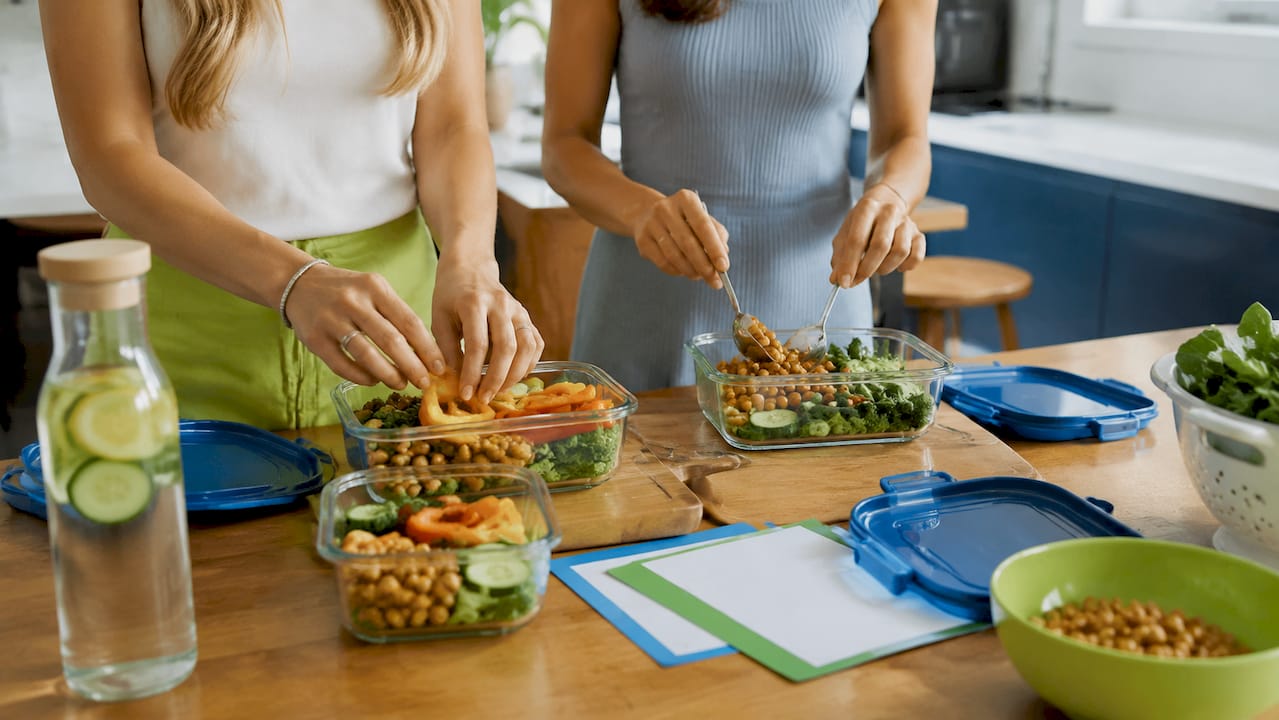
Limiting the number of unique meals you prep per week also reduces food waste. Prepping 2–3 main meals plus breakfast and snacks per week is the standard recommendation for keeping costs low and variety manageable. More unique meals mean more ingredients, more spoilage, and higher spending.
Food safety matters here too. Cooked meal-prepped food lasts 3–5 days in the refrigerator when stored in airtight containers. Anything you won’t eat within that window should go directly into the freezer on prep day, not after it has been sitting for four days.
3. How to budget for cheap meal prep: costs and smart shopping tips
A well-planned weekly meal prep budget runs $50–$70 for 21 meals. That works out to roughly $7.14 per day and $2.38 per meal. Compare that to eating out, which costs $140 or more per week, or meal kit services that run $90–$120 per week. The savings are significant and compound over months.
| Option | Weekly cost | Cost per meal |
|---|---|---|
| Budget meal prep | $50–$70 | $2.38–$3.33 |
| Meal kit delivery | $90–$120 | $4.29–$5.71 |
| Eating out (casual) | $140+ | $6.67+ |
| Fast food (daily) | $70–$100 | $3.33–$4.76 |
Shopping strategy matters as much as ingredient choice. Aldi and Walmart consistently offer the lowest prices on staples like oats, rice, canned beans, and frozen vegetables. Buying in bulk at Costco or Sam’s Club makes sense for items you use every week, like chicken, eggs, and oats.
Seasonal produce is another lever. Buying what is in season at your local grocery store cuts costs by 30–50% compared to out-of-season imports. In fall and winter, root vegetables and squash are cheap and filling. In summer, zucchini, tomatoes, and corn are the budget picks.
Avoid overbuying perishables. The biggest hidden cost in meal planning on a budget is food that spoils before you use it. Stick to your component list and buy only what fits your prep plan for the week.
4. What are simple, cheap meal prep recipe ideas that help with weight loss?
The best budget meal prep recipes share three traits: they use cheap staples, hit your protein and fiber targets, and take under 30 minutes of active prep time. Here are four proven options that fit a 1,500–1,700 calorie daily target.
-
Overnight oats: Combine rolled oats, unsweetened almond milk, chia seeds, and a handful of frozen berries. One serving costs under $0.75 and delivers roughly 10–12g of protein with added fiber from the chia seeds. Prep five jars on Sunday and breakfast is done for the week.
-
Chicken rice bowl: Bake a batch of seasoned chicken thighs, cook a pot of brown rice, and steam frozen broccoli. Divide into containers with a measured portion of each. This meal hits roughly 35–40g of protein per serving and costs around $2.50 per container.
-
Lentil stew: Simmer dried lentils with canned tomatoes, onion, garlic, and cumin. One large batch costs under $5 and makes 4–5 servings. Each serving provides around 18g of protein and significant fiber, making it one of the most filling cheap meal prep ideas for weight loss available.
-
Egg and spinach scramble: Cook a batch of scrambled eggs with frozen spinach and diced bell pepper. Store in containers for quick breakfasts or lunches. Three eggs plus vegetables costs under $1 per serving and provides roughly 20g of protein.
Portion control is the key variable. Visual portion guides using your hand or a standard plate template help you maintain your calorie deficit without tracking every gram. A palm-sized portion of protein, a fist-sized portion of carbs, and two fist-sized portions of vegetables is a reliable starting point for most adults. Adjust based on weekly weight trends, not daily fluctuations.
You can also swap ingredients without adding cost. Replace chicken with canned tuna in rice bowls. Use sweet potato instead of brown rice. Add hot sauce instead of a more expensive sauce. These swaps keep meals interesting and your grocery bill flat. For more structured guidance on meal prep for beginners, Dietium offers step-by-step ingredient lists and recipes built around exactly these principles.
Key takeaways
Cheap meal prep for weight loss works because affordable whole foods like eggs, lentils, oats, and brown rice deliver the protein and fiber needed to maintain a calorie deficit consistently.
| Point | Details |
|---|---|
| Build around staple proteins | Eggs, lentils, canned beans, and chicken thighs deliver the most protein per dollar. |
| Use component cooking | Prep 2 proteins, 2 carbs, and 3 vegetables to create variety without extra cost. |
| Target $50–$70 per week | This covers 21 meals at roughly $2.38–$3.33 each, far below eating out or meal kits. |
| Freeze beyond day 5 | Cooked food lasts 3–5 days refrigerated; freeze anything beyond that window on prep day. |
| Use visual portion guides | Hand-based portion templates maintain your calorie deficit without constant tracking. |
Why most people overcomplicate budget meal prep
Most people who try affordable meal prep fail within two weeks. The reason is almost never cost. It’s complexity. They plan seven different dinners, buy 40 ingredients, and spend four hours in the kitchen on Sunday. By Wednesday, they’re exhausted and ordering takeout.
The fix is not motivation. It’s simplicity. When I look at what actually works long term, it’s always the same pattern: a short ingredient list, two or three meals in rotation, and a willingness to eat the same lunch four days in a row. That repetition feels boring in theory. In practice, it removes every friction point that causes people to quit.
The other thing most articles won’t tell you is that perfection is the enemy of consistency here. A week where you prepped three meals instead of five is still a win. A batch of rice and eggs that took 20 minutes is still better than no prep at all. The people who lose weight with this approach are not the ones with the most elaborate systems. They’re the ones who show up every Sunday with a simple plan and execute it.
Portion sizes for weight loss matter more than recipe variety. Once you understand how to size your meals to your calorie target, the specific recipe becomes almost secondary. Get the portions right, keep the ingredients cheap and filling, and the results follow.
— Srasti
Dietium’s tools for personalizing your meal prep plan
Generic calorie targets only get you so far. Your actual maintenance calories depend on your weight, height, activity level, and goals, and those numbers shift as you lose weight. Dietium’s personalized diet planning tools calculate your TDEE, set your calorie deficit, and build a meal structure around your specific macros. The Recipians app then generates recipe suggestions and shopping lists aligned with your targets, so your budget meal prep is calibrated to your body, not a generic template. Dietium also offers personalized meal plans for every health goal, whether you’re focused on fat loss, muscle retention, or both. For those who want professional support alongside the tools, video consultations with nutrition experts are available directly through the platform.
FAQ
How much does cheap meal prep for weight loss cost per week?
A well-planned budget meal prep week costs $50–$70 for 21 meals, which works out to roughly $2.38 per meal. That is significantly less than meal kits at $90–$120 per week or eating out at $140 or more.
What are the best cheap proteins for weight loss meal prep?
Eggs, canned tuna, dried lentils, canned beans, and bone-in chicken thighs are the most cost-effective proteins. These options deliver high protein per dollar and keep you full longer by supporting satiety hormones.
How long does meal-prepped food last in the fridge?
Cooked meal-prepped food lasts 3–5 days in the refrigerator when stored in airtight containers. Freeze anything you won’t eat within that window on the day you prep it.
Do I need to count calories for meal prep weight loss to work?
Strict calorie counting is not required. Visual portion guides using hand-based templates or a standard plate method help maintain a calorie deficit without tracking every gram, making the process sustainable long term.
What is the easiest cheap meal prep idea for beginners?
Overnight oats, a chicken rice bowl, and a lentil stew are the three easiest starting points. Each uses under five ingredients, costs under $3 per serving, and can be prepped in a single Sunday session.


