 Skip to content

What to pack: a quick list of easy lunch box ideas
The fastest way to solve the daily lunch problem is to build from a short, repeatable list. These options work for kids and adults, require minimal prep, and cover all the food groups the USDA MyPlate framework recommends: lean protein, whole grains, fruit, vegetables, and dairy or a dairy alternative.
- Turkey and cheese roll-ups: Deli turkey slices wrapped around string cheese, served with whole grain crackers and grape tomatoes.
- Chickpea salad box: Canned chickpeas tossed with chopped cucumber, cherry tomatoes, olive oil, and lemon juice. Add whole-grain crackers on the day you eat it to keep them crunchy.
- Peanut butter and banana on whole wheat: A classic that delivers protein, fiber, and natural sugar. Add celery sticks and a handful of berries.
- Hummus veggie box: Carrot sticks, cucumber coins, bell pepper strips, and a generous scoop of hummus. Pair with whole grain pita triangles.
- Leftover grain bowl: Brown rice or quinoa from last night’s dinner, topped with whatever protein and vegetables you have on hand.
- Mini burritos: Whole wheat tortilla filled with black beans, shredded cheese, and salsa. Wraps travel well and hold up for hours.
- Hard-boiled eggs with produce: Two eggs, a handful of grapes, and sliced cucumber. Ready in under five minutes if the eggs are prepped ahead.
- Pasta salad: Whole wheat pasta tossed with cherry tomatoes, olives, mozzarella, and a drizzle of olive oil. Tastes better the next day.
- Apple slices with nut butter: Pair with a small container of almond or peanut butter, plus a few whole grain crackers for crunch.
- Quesadilla wedges: Whole wheat tortilla with cheddar and black beans, cut into triangles. Pack with bell pepper sticks and mixed berries.
The formula is simple: fill half the lunch box with colorful fruits or vegetables, one quarter with whole grains, and the remaining quarter with a healthy protein. Healthy fats and a small amount of dairy round out a meal that fuels an active day.
— Harvard T.H. Chan School of Public Health, The Nutrition Source
Pro Tip: Pack a small ice pack with any lunch that includes dairy, eggs, or meat. Food safety guidelines recommend keeping perishables below 40°F until eating.
Table of Contents
- How to pack lunches quickly without the daily stress
- How to build a nutritionally balanced lunch box
- Kid-friendly lunch box ideas that picky eaters will actually eat
- Adult lunch box ideas that work for busy schedules
- How to keep lunches fresh and cut down on food waste
- Dietium makes personalized lunch planning straightforward
- Key takeaways
How to pack lunches quickly without the daily stress
Packing a lunch every morning feels like a chore only when you have no system. A few repeatable habits cut the time down to under five minutes on most days.
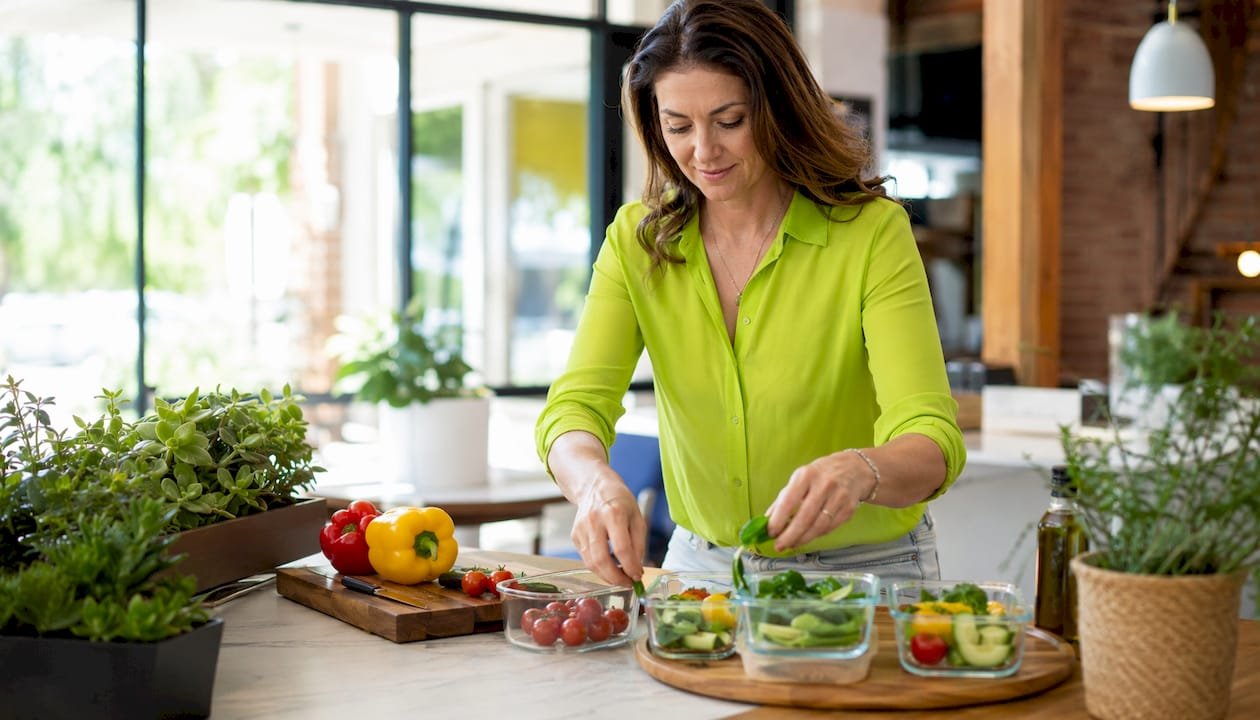
Batch prep on Sundays. Dedicating about one hour on Sundays to cooking proteins and washing produce makes weekday lunch assembly dramatically faster. Cook a batch of chicken, hard-boil a dozen eggs, and rinse all your produce at once. When everything is ready to grab, assembly becomes automatic.
- Pre-portion snacks: Divide crackers, nuts, and dried fruit into small containers or zip bags at the start of the week.
- Use divided containers: Bento-style boxes let you drop in components without any mixing or wrapping. No assembly required beyond filling each section.
- Keep a rotation of five lunches: Repeating a short list prevents decision fatigue without creating boredom.
- Pack the night before: Set out containers after dinner while the kitchen is already in use. Morning prep disappears entirely.
- Stock grab-and-go staples: Canned chickpeas, string cheese, whole grain crackers, and pre-washed fruit require zero prep and fill a box fast.
- Let kids choose: Giving children two or three options from each food group speeds up packing and increases the chance they actually eat what you send.
Pro Tip: Registered Dietitian Lindsey Janeiro recommends prepping base components rather than complete meals. One cooked protein and a container of washed, cut produce is all you need to make every lunch that week feel different.
How to build a nutritionally balanced lunch box
A balanced lunch box does not require a nutrition degree. The USDA MyPlate framework breaks it into five components, each with a clear role in keeping energy steady through the afternoon.
| Food group | Role in the lunch box | Easy examples |
|---|---|---|
| Lean protein | Builds muscle, sustains fullness | Chicken slices, hard-boiled eggs, beans, hummus, nut butter |
| Whole grains | Steady energy, fiber | Whole wheat bread, brown rice, quinoa, whole grain crackers |
| Fruits | Vitamins, natural sweetness | Apple slices, grapes, berries, melon chunks |
| Vegetables | Fiber, micronutrients | Carrot sticks, cucumber, bell pepper strips, cherry tomatoes |
| Dairy or alternative | Calcium, protein | String cheese, plain Greek yogurt, low-fat milk, soy yogurt |
A balanced lunch box should include servings from all five groups to deliver complete nutrition. In practice, that means one protein, one grain, one fruit, one or two vegetables, and one dairy item or alternative. Healthy fats like avocado, nuts, or a drizzle of olive oil add satiety without bulk.
- Aim for color variety: Red tomatoes, orange carrots, green cucumbers, and purple grapes in the same box cover a wider range of vitamins than any single vegetable.
- Watch portion sizes: A child’s lunch box does not need adult-sized portions. A quarter cup of hummus, a small apple, and two tablespoons of nut butter are appropriate serving sizes for most school-age children.
- Rotate grains weekly: Alternate between whole wheat bread, brown rice, quinoa, and whole grain pasta to prevent boredom and broaden nutrient intake.
- Include texture contrast: Crunchy crackers next to soft cheese, or crisp carrot sticks beside creamy hummus, makes a box more appealing to picky eaters.
For parents managing healthy lunchbox tips across multiple kids with different preferences, building from this five-component framework keeps every box nutritionally sound even when the specific foods change daily.
Kid-friendly lunch box ideas that picky eaters will actually eat
Kids eat with their eyes first. A lunch box that looks appealing gets eaten. One that looks like a pile of beige food comes home untouched.
- Bento-style boxes with separate compartments: Bento boxes help with portion control and visual appeal, encouraging children to try more varied foods. The compartments prevent foods from touching, which matters enormously to many kids.
- Kabob skewers: Thread cubed cheese, grape tomatoes, cucumber rounds, and deli turkey onto a blunt skewer. Kids eat more when food is fun to handle.
- Cookie cutter sandwiches: A star or heart shape from a whole wheat sandwich takes ten seconds and dramatically increases the chance a child eats it.
- “Eat a rainbow” box: Red grape tomatoes, orange cheddar cubes, yellow bell pepper strips, green cucumber coins, and blueberries. Color variety signals nutritional variety.
- Pizza-themed box: Whole grain crackers, mozzarella string cheese, grape tomatoes, and a few slices of deli chicken. All the flavors, none of the mess.
- Mexican-themed box: Brown rice and black beans, a small whole wheat tortilla, guacamole, and salsa. Kids who reject plain vegetables often eat them in a themed context.
- Dipping boxes: Any vegetable becomes more appealing next to a dip. Hummus, guacamole, and plain Greek yogurt all work. The dip is the draw.
- Mini banana muffins: Sweetened only with banana and maple syrup, these pack well and give kids a wholesome treat without added sugar from processed snacks.
Allowing children to take an active role in preparing their lunch increases the likelihood that they will consume what you’ve packed for them. Give your child the liberty to choose some of the components of their lunch box, and plan ahead for the week together.
— USDA MyPlate Guide, CHEF
Pro Tip: Practice opening containers with your child at home before the school week starts. A silicone-sealed bento box that a child cannot open at lunch is food that does not get eaten.
For allergy-friendly options, swap peanut butter for sunflower seed butter, use dairy-free soy yogurt in place of Greek yogurt, and choose certified gluten-free crackers when needed. The five-component structure stays the same; only the specific foods change.
| Dietary need | Swap | Nutritional equivalent |
|---|---|---|
| Nut allergy | Sunflower seed butter | Similar protein and healthy fat profile |
| Dairy-free | Soy yogurt, soy milk | Comparable calcium, protein, and vitamin D |
| Gluten-free | Brown rice, quinoa, GF crackers | Same whole grain fiber benefit |
| Vegetarian | Beans, edamame, hard-boiled eggs | Complete protein when combined |
For more ideas on meal planning for picky eaters, the key is offering structured choice rather than unlimited options.
Adult lunch box ideas that work for busy schedules
Adults need lunches that travel well, hold up for hours, and deliver enough protein and fiber to prevent the 3 PM energy crash. The good news: most of these require no reheating and come together in minutes when components are prepped ahead.
- Grain bowls: Cooked quinoa or farro as the base, topped with roasted vegetables, a protein (chicken, chickpeas, or hard-boiled eggs), and a drizzle of tahini or olive oil. Prep the grain and protein on Sunday; assemble in two minutes each morning.
- Peanut chicken wraps: Pre-cooked shredded chicken, sliced bell peppers, shredded cabbage, and peanut sauce in a whole wheat tortilla. These hold well in the fridge for up to four days.
- Burrito bowls: Cooked rice, seasoned ground turkey or black beans, corn, shredded cheese, and salsa. Assemble four containers at once and refrigerate. Ready in about 30 minutes of total prep for the whole week.
- Tuna salad with crackers: Canned tuna mixed with a small amount of Greek yogurt, lemon juice, and diced celery. Serve with whole grain crackers and sliced cucumber. No cooking required.
- Mediterranean chopped salad: Chickpeas, cucumber, cherry tomatoes, kalamata olives, feta cheese, and a red wine vinaigrette. Holds well for two to three days without getting soggy.
- Soups and stews: Make-ahead soups and grain salads improve in flavor after a day or two in the fridge, making them ideal for mid-week lunches. A big batch of lentil soup or white bean chicken chili covers three to four lunches.
- Cold noodle salad: Rice noodles with peanut sauce, shredded carrots, cucumber, and edamame. Ready in under 25 minutes and tastes better the next day.
Pro Tip: For salads or grain bowls, pack dressings on the side or layer them at the bottom of the container. This keeps every ingredient at the right texture until you’re ready to eat.
Plant-based adults can build complete protein from combinations of beans and grains, edamame, tofu, or tempeh. For more ideas, plant-based lunch options cover a full range of no-meat combinations that still hit protein targets. Adults managing weight goals will find that high-protein, high-fiber lunches are the most effective at controlling afternoon hunger without calorie counting.
How to keep lunches fresh and cut down on food waste
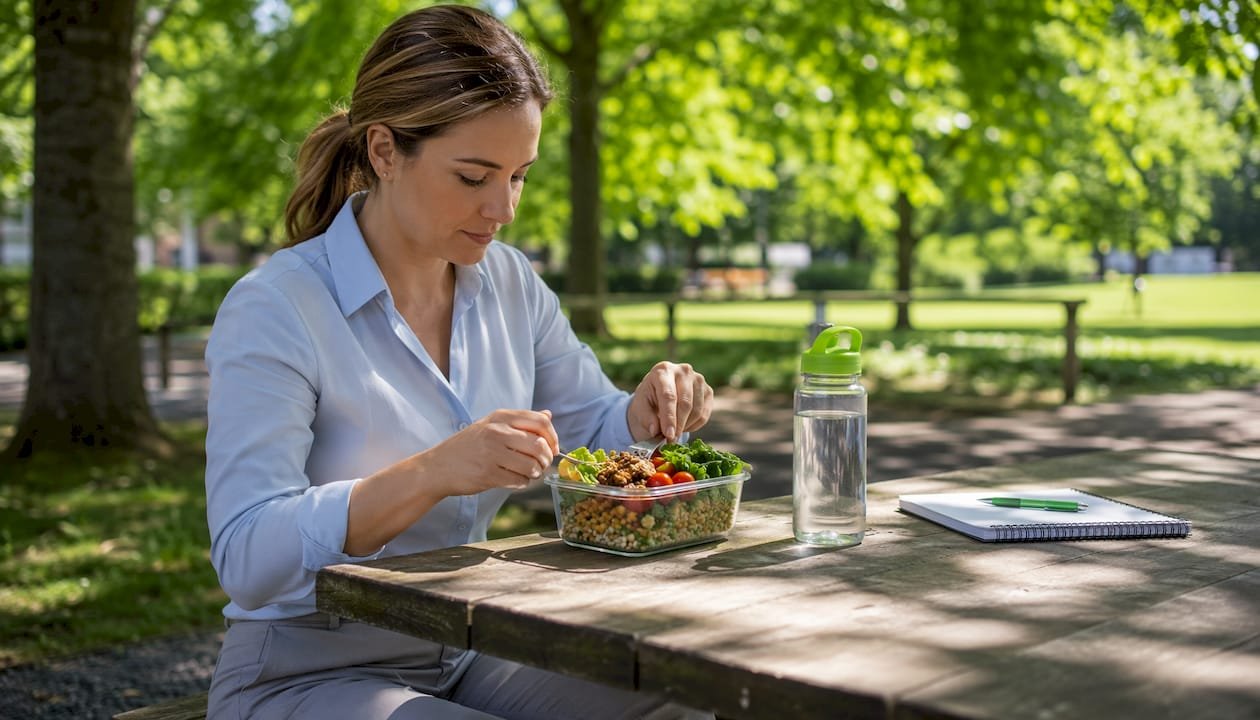
Food waste in lunch boxes is a solvable problem. Most of it comes from poor storage, soggy textures, or packing more than a person will realistically eat.
Separate wet from dry. Crunchy items like crackers go soggy within hours when packed next to moist ingredients. Keep them in a separate compartment and add them to the main dish only when eating. The same logic applies to dressings and dips.
- Use airtight containers: Silicone-sealed bento boxes and glass containers with locking lids maintain food quality far better than loose-fitting plastic.
- Pack produce correctly: Berries and cut fruit go in a dry compartment. Washed leafy greens stay crisp longer when packed with a dry paper towel to absorb moisture.
- Repurpose uneaten food immediately: Leftover fruit or vegetables from a partially eaten lunch box work perfectly as an afternoon snack. Pair uneaten apple slices with peanut butter, or serve leftover veggie sticks with cheese.
- Use last night’s dinner: A leftover serving of frittata, roasted vegetables, or grain-based salad is a ready-made lunch. Pack it the night before while you’re cleaning up the kitchen.
- Freeze bread and wraps: Keep a small selection of whole wheat bread, pita, and tortillas in the freezer. Pull out what you need each morning. Variety without waste.
- Rotate produce by shelf life: Use berries and cut fruit early in the week. Heartier produce like carrots, snap peas, and bell peppers lasts through Friday without any quality loss.
Pro Tip: Starting with just two prep components — one cooked protein and a container of washed, cut produce — is enough to build every lunch that week. Add a grain the following week. Gradual buildup prevents burnout and keeps the habit going.
Involving kids in choosing what goes into their lunch box also reduces waste. When children select their own fruit or vegetable option from a short list, they are far more likely to eat it. This approach, recommended by nutrition educators, also builds food literacy over time.
Dietium makes personalized lunch planning straightforward
Packing a healthy lunch every day is easier when you have a plan built around your actual goals, not a generic template. Dietium gives parents and adults a direct path from “what should I pack?” to a weekly meal plan that fits their nutritional needs, dietary preferences, and schedule.
The Recipians app at the core of Dietium generates personalized meal plans with recipe suggestions calibrated to your calorie targets, macros, and food preferences. Whether you’re packing for a picky seven-year-old or prepping your own high-protein work lunches, the platform adjusts to the goal. Dietium’s nutrition calculators track body metrics and calorie needs so your lunch plan actually aligns with your health targets, not just general advice. For families juggling multiple dietary needs at once, the family meal planning guide on Dietium walks through the full weekly planning process step by step. Start your personalized plan today and stop guessing what to pack tomorrow.
Key takeaways
A balanced lunch box built on the USDA MyPlate framework — lean protein, whole grains, fruit, vegetables, and dairy — covers complete nutrition for both kids and adults with minimal daily effort.
| Point | Details |
|---|---|
| Use the MyPlate formula | Fill half the box with produce, one quarter with whole grains, and one quarter with lean protein. |
| Prep components, not full meals | One cooked protein and washed produce on Sunday makes every weekday lunch faster to assemble. |
| Separate wet and dry foods | Pack crackers and dressings apart from moist ingredients to preserve texture until eating. |
| Bento boxes improve variety | Divided compartments encourage kids to eat more food groups and prevent picky-eater food mixing. |
| Dietium personalizes the plan | Dietium’s Recipians app builds custom weekly meal plans aligned with your calorie targets and dietary preferences. |


