 Skip to content

TL;DR:
- Quick and easy lunch recipes should be nutritionally balanced, simple, and adaptable to save time. No-cook options like chickpea salads and wraps provide quality meals within 5 to 10 minutes, while batch prep and versatile formulas support consistency and sustainability. Prioritizing food safety, personalized planning, and flexible meal structures ensures healthier habits fit seamlessly into busy schedules.
You have 30 minutes between meetings, your stomach is growling, and the last thing you want to do is spend half that time deciding what to eat. Quick and easy lunch recipes solve exactly this problem. The catch is that speed alone is not enough. A bag of chips is fast, but it will leave you foggy and hungry by 3 p.m. What you actually need is food that comes together in minutes and keeps your energy stable for the rest of the day. This guide covers practical criteria, real recipes, food safety basics, and a comparison table to help you make the right call every single day.
Table of Contents
- Key Takeaways
- 1. What makes a quick and easy lunch recipe actually work
- 2. No-cook lunches ready in 5 to 10 minutes
- 3. Quick-cook lunches ready in 20 to 30 minutes
- 4. Comparison of featured quick lunch recipes
- 5. Meal prep food safety you cannot skip
- My honest take on quick lunch habits
- Build a lunch plan that fits your actual life
- FAQ
- Quick summary
Key Takeaways
| Point | Details |
|---|---|
| Protein and fiber are non-negotiable | Aim for 20 to 30 grams of protein and close to 10 grams of fiber per meal to stay full and focused. |
| No-cook meals are the fastest option | Chickpea salads, tuna bowls, and wraps can be ready in 5 to 10 minutes with zero cooking required. |
| Flexible formulas beat rigid recipes | A grain, a protein, a vegetable, and a dressing gives you endless variety without overthinking. |
| Food safety starts with cooling | Divide hot food into shallow containers right away and refrigerate within 2 hours to prevent bacterial growth. |
| Personalized planning builds consistency | A tailored meal plan removes daily decision fatigue and keeps nutrition aligned with your specific goals. |
1. What makes a quick and easy lunch recipe actually work
Not every fast lunch recipe is worth your time. Some take 10 minutes but require a dozen ingredients. Others are quick but nutritionally empty. Here is what to look for before committing to a lunch formula.
Nutritional balance. A high-protein, high-fiber lunch should deliver 20 to 30 grams of protein and around 10 grams of fiber. That combination stabilizes blood sugar and keeps hunger in check through the afternoon. A practical framework from the balanced plate method, supported by the American Diabetes Association, is straightforward: fill half your plate with nonstarchy vegetables, one quarter with lean protein, and one quarter with whole grains or starchy vegetables.
Ingredient simplicity. A good easy lunch recipe uses five ingredients or fewer, relies on pantry staples, and does not require specialty equipment. If you need a mandoline, a double boiler, or a spice blend you only own one jar of, the recipe will stall.
Flexibility. Flexible meal formulas, rather than rigid recipes, are what make meal prep sustainable long term. Choose a format you can rotate, such as grain bowls, wraps, or soups, and vary the fillings each week.
Storage and portability. If you eat at a desk or commute, the recipe needs to hold up in a container. Cold meals travel better than hot ones. Recipes with sauces or dressings packed separately stay fresh longer.
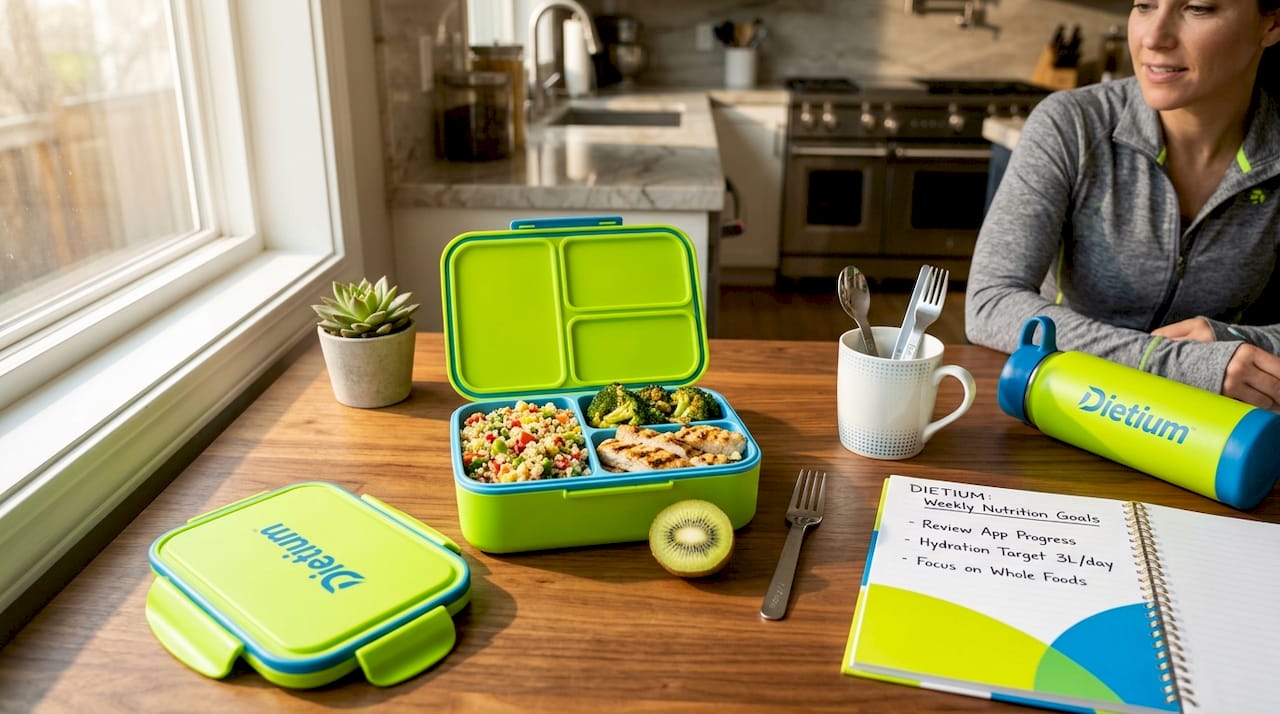
Pro Tip: Batch-cook one grain, like brown rice or quinoa, on Sunday. It gives you a base for three or four different lunches throughout the week without any extra prep time.
2. No-cook lunches ready in 5 to 10 minutes
These are the fastest easy lunch options available. No stove, no oven, and in most cases no real technique needed. All you need is a few quality ingredients and a few minutes of assembly.
- Mediterranean chickpea salad. No-cook assembly meals using canned chickpeas, cucumber, cherry tomatoes, olive oil, and lemon take about 5 minutes to prepare. Add feta and oregano for flavor. One can of chickpeas delivers roughly 15 grams of protein and 12 grams of fiber.
- Tuna rice bowl. Use microwavable rice pouches with canned tuna, frozen edamame (thawed under warm water), soy sauce, and sesame oil. Total time: 7 minutes. Protein count: 35 grams or more depending on tuna portion.
- Turkey and avocado wrap. Whole wheat tortilla, deli turkey, sliced avocado, spinach, and mustard. Ready in 4 minutes. Slice in half and pack it in parchment paper for a clean, portable meal.
- Greek yogurt power bowl. Plain Greek yogurt, granola, a drizzle of honey, and mixed berries. High protein, no cooking, and genuinely satisfying as a midday meal rather than just a snack.
- Hummus and veggie flatbread. Spread a generous layer of hummus on a whole grain flatbread, top with sliced cucumber, roasted red peppers from a jar, and arugula. Done in 5 minutes.
- White bean and herb salad. Canned white beans, sun-dried tomatoes, parsley, olive oil, and lemon juice. Toss, season, serve. This one works hot or cold and packs well for quick work lunch ideas.
These no-cook easy lunch ideas are especially useful for days when your schedule gives you no warning. Keep the pantry stocked with canned legumes, pre-cooked grains, and a few jars of quality condiments, and you will always have options.
3. Quick-cook lunches ready in 20 to 30 minutes
Some days you have a little more time, and a warm meal makes a real difference. These quick easy lunch ideas healthy enough to count as proper meals still fit inside a lunch break.
- Egg fried rice. Leftover rice, two eggs, soy sauce, sesame oil, frozen peas, and garlic. Ready in 12 minutes. Eggs add complete protein and the whole dish costs less than most takeout.
- Chicken and vegetable stir-fry. Pre-cut chicken strips, a bag of frozen stir-fry vegetables, and a simple sauce of soy sauce, ginger, and a teaspoon of cornstarch. Cook time: 15 minutes. High protein, high fiber, and deeply satisfying.
- Lentil soup from a can. Heat canned lentil soup with a handful of spinach, a squeeze of lemon, and a pinch of cumin. Top with plain yogurt. Total time: 10 minutes. Lentils are one of the most efficient sources of both protein and fiber in any easy lunch meal format.
- Sheet pan shrimp with roasted vegetables. Toss shrimp and pre-cut vegetables with olive oil and seasoning, roast at 425°F for 15 minutes. Serve over pre-cooked quinoa. The prep is under 5 minutes if vegetables come pre-cut.
- Black bean quesadilla. Canned black beans, shredded cheese, salsa, and a whole wheat tortilla in a skillet. Six minutes flat. Add a handful of spinach inside for a fiber boost.
- Skillet chicken with cherry tomatoes. Season a thin chicken breast, sear it in a hot skillet for 6 minutes per side, and deglaze with cherry tomatoes and a splash of broth. Serve with a piece of whole grain bread. This is one of the better easy lunch ideas for work when you prep the chicken the night before.
Pro Tip: When batch cooking proteins like chicken or shrimp, cool them quickly and divide into single-portion containers. This makes lunch assembly on busy mornings take under 2 minutes.
4. Comparison of featured quick lunch recipes
Use this table to match recipes to your specific situation. Prep time, protein content, and portability vary more than most people realize before they start tracking.
| Recipe | Prep time | Protein (approx.) | Cook required | Portable | Batch-friendly |
|---|---|---|---|---|---|
| Mediterranean chickpea salad | 5 min | 15g | No | Yes | Yes |
| Tuna rice bowl | 7 min | 35g | No | Yes | Yes |
| Turkey avocado wrap | 4 min | 25g | No | Yes | No |
| Egg fried rice | 12 min | 18g | Yes | Yes | Yes |
| Chicken stir-fry | 15 min | 38g | Yes | Yes | Yes |
| Black bean quesadilla | 6 min | 20g | Yes | No | No |
| Skillet chicken with tomatoes | 20 min | 40g | Yes | No | Yes |
| Lentil soup (canned) | 10 min | 18g | Yes | Yes | Yes |
The tuna rice bowl and chicken stir-fry lead on protein. The chickpea salad and white bean salad lead on portability and fiber. If you want super easy lunch ideas that also batch well, the stir-fry and lentil soup are the two best options.
5. Meal prep food safety you cannot skip
Meal prepping saves time, but getting food safety wrong turns a smart habit into a health risk. These practices apply to all quick and easy lunch recipes you make in advance.
- Refrigerate within 2 hours. USDA food safety standards require leftovers to be refrigerated below 40°F within 2 hours of cooking, or within 1 hour if the ambient temperature exceeds 90°F. The range between 40°F and 140°F is where bacteria multiply fastest.
- Use shallow containers for cooling. Dividing hot food into shallow containers less than 2 inches deep speeds the cooling process and prevents bacterial growth. Large, deep containers cool slowly in the center and can stay in the danger zone for hours.
- Consume within 3 to 4 days. Leftovers stored beyond 4 days carry increasing pathogen risk, even when they look and smell fine. If you prep on Sunday for the whole week, freeze anything intended for Thursday or Friday.
- Reheat to 165°F throughout. Visible bubbling is not a reliable indicator that food has reached a safe internal temperature. Use a food thermometer and check the center of the portion, not just the surface.
- Avoid cross-contamination. Use separate cutting boards for raw proteins and vegetables. Wash hands after handling raw meat before touching any ready-to-eat ingredients.
Always freeze meals on day one of prep if you know you will not eat them within 4 days. Freezing on day four, when the storage window is already closing, does not reset the clock on food safety.
For more on efficient prep workflows, Dietium’s meal prep tips for busy people covers storage, batch cooking, and time-saving techniques in practical detail.
My honest take on quick lunch habits
I have watched people spend weeks planning elaborate meal prep routines, only to abandon them by day ten because the recipes were too rigid or too repetitive. What I have found actually works is simpler than most nutrition advice suggests.
Stop thinking about recipes. Start thinking about formulas. A grain plus a protein plus a vegetable plus a sauce equals a lunch. Once you internalize that structure, you stop needing to look anything up. You open the fridge, assess what is there, and build something that takes 10 minutes.
The other mistake I see often is treating meal prep as an all-or-nothing task. You do not need to prep five lunches on Sunday. Prepping one batch of protein and one grain covers you for three days. That is 20 minutes of work, not two hours. Pair that with a well-stocked pantry and the no-cook options listed above, and you have sustainable nutrition habits that actually hold up through a real week.
The flexible formula approach, as dietitian Nichola Ludlam-Raine points out, is what creates lasting behavior change. Rigid meal plans create compliance anxiety. Flexible systems create competence.
— Srasti
Build a lunch plan that fits your actual life
Knowing a list of quick and easy lunch recipes is a good start. But if you find yourself defaulting to the same two options every week, or struggling to hit consistent nutrition targets, a personalized plan changes the outcome.
Dietium’s personalized diet plans are built around your schedule, calorie needs, and health goals. Rather than giving you a generic meal plan, the platform uses your data to suggest recipes and portions that actually fit your day. If you want to go further, the Recipians app generates custom weekly meal plans with grocery lists, so the decision-making is already done before the week starts. For time-pressed readers who want to get more out of their lunch routine without spending more time on it, this is the most direct path forward.
FAQ
What is the fastest healthy lunch to make?
A tuna rice bowl using canned tuna, a microwavable rice pouch, and frozen edamame takes about 7 minutes and delivers over 35 grams of protein. It requires zero cooking beyond heating the rice.
How much protein should a healthy lunch contain?
A balanced lunch should include 20 to 30 grams of protein to support satiety and stable blood sugar, according to high-protein lunch guidelines. Pairing that with around 10 grams of fiber improves the effect.
How long can prepped lunches stay in the fridge?
Prepped lunches are safe for 3 to 4 days when stored below 40°F. Anything beyond that timeline should be frozen on day one of prep to avoid safety risks.
Do I need to cook to eat healthy lunches?
No. Several no-cook options, including chickpea salads, wraps, and hummus flatbreads, meet solid nutritional targets and take under 10 minutes to assemble using pantry staples.
What is the best formula for a quick work lunch?
The grain plus protein plus vegetable plus dressing formula works consistently well. It provides nutritional balance without requiring a recipe, adapts to whatever ingredients you have on hand, and takes 10 minutes or less when components are prepped ahead.
Quick summary
| Topic | Key insight |
|---|---|
| Best no-cook option | Tuna rice bowl: 7 minutes, 35g protein, no stove needed |
| Best batch-cook option | Chicken stir-fry: 15 minutes, 38g protein, stores well for 3 days |
| Nutrition target | 20 to 30g protein, ~10g fiber per lunch for sustained energy |
| Food safety rule | Refrigerate within 2 hours; consume within 3 to 4 days; reheat to 165°F |
| Habit that sticks | Use flexible formulas (grain + protein + veg + dressing) instead of rigid recipes |


