
A 5 day fitness plan is the perfect balance between consistency and recovery, giving you structure without burning out. Whether your goal is muscle gain with a bulking fitness plan, endurance training with a military fitness plan, or starting simple with a Planet Fitness 5 day workout plan,
A bicycle heart rate monitor is one of the smartest tools a cyclist can use to train more effectively. Unlike speed or distance, heart rate shows how your body is really responding to effort—whether you’re climbing, sprinting, or recovering. The best heart rate monitor for cycling helps you track training zones, avoid overtraining, and improve endurance. From chest straps that deliver gold-standard accuracy to wrist-based options like the best heart rate watch for cycling, today’s devices fit every rider type.
Experiencing heart palpitations while working out can be unsettling. These sensations, often described as a heart flutter during exercise or a rapid, pounding heartbeat, may last from a few seconds to several minutes. While palpitations during exercise are sometimes harmless and triggered by dehydration, caffeine, or intense workouts, they can also signal underlying conditions like arrhythmias, thyroid issues, or electrolyte imbalances.
Many people notice a heart rate increase after eating, and while it can feel alarming, it’s often a normal part of digestion. When you eat, your body redirects blood to the stomach and intestines, making the heart pump faster to support this demand. This can cause a mild rise of about 10–15 beats per minute, especially after large or carb-heavy meals. So, does heart rate increase after eating every time? Not always—factors like meal size, food type, hydration, caffeine, stress, or underlying conditions all play a role. While most cases of high heart rate after eating are harmless, persistent spikes above 120 bpm, especially with dizziness, chest pain, or shortness of breath, should be taken seriously and checked by a doctor.
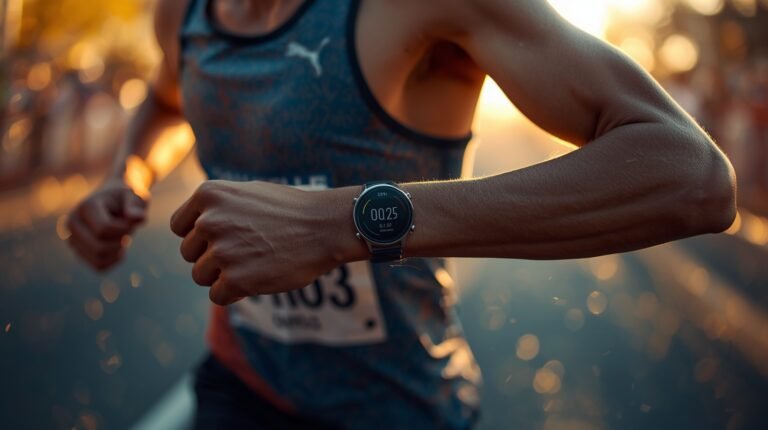
heart rate reflects how efficiently your body handles endurance over 42 kilometers, and monitoring it can make the difference between finishing strong or hitting the wall. Unlike short races, marathons keep your heart under constant aerobic stress, so knowing your heart rate zones is essential for safe pacing, energy use, and recovery. An average marathon runner heart rate ranges from 140–180 bpm depending on age, fitness, and conditions. Factors like hydration, heat, hills, and training level can all cause spikes or drops. Tracking your heart rate during training and race day gives you a real-time dashboard to prevent overexertion, maximize endurance, and ensure long-term cardiovascular health.
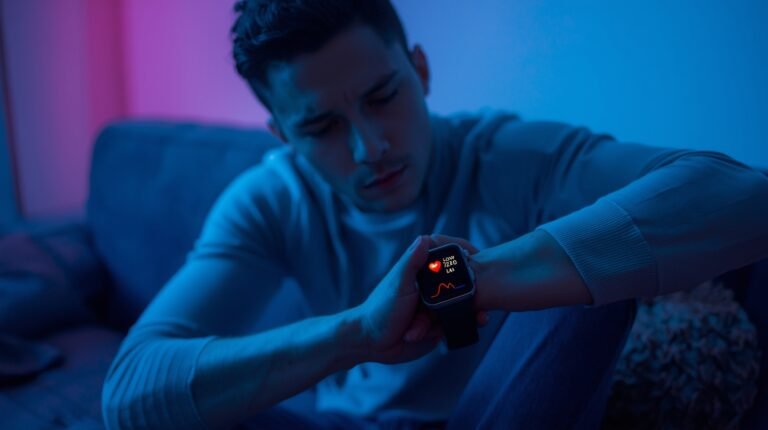
Low HRV symptoms can signal that your body is struggling to recover from stress, poor sleep, or overtraining. Heart rate variability (HRV) measures the time differences between heartbeats, and a lower score often means your nervous system is stuck in “fight or flight” mode. Common signs of low HRV include fatigue, poor sleep quality, mood swings, frequent illness, and difficulty bouncing back after workouts. Many people ask, “why is my HRV so low?” The answer may involve stress, dehydration, unhealthy lifestyle choices, or even underlying health conditions.
Heart rate variability (HRV) is one of the most powerful yet overlooked indicators of health and recovery. Unlike heart rate, which measures beats per minute, HRV looks at the tiny variations in time between each heartbeat. A higher HRV generally reflects better stress resilience, cardiovascular health, and recovery, while low HRV can signal fatigue, overtraining, or health issues. Since HRV naturally changes with age, using a heart rate variability chart by age helps you understand whether your numbers are average, above, or below normal. In this guide, we’ll explain HRV meaning, what is considered a good HRV, and practical tips to improve it through exercise, sleep, stress management, and lifestyle changes for better overall well-being.
Many people assume heart beat and pulse rate are the same—but there’s a subtle yet important difference. Your heartbeat is the actual contraction of your heart muscle, pumping blood through your arteries, while your pulse is the pressure wave you feel in your wrist, neck, or fingertip. In most healthy individuals, heart rate vs pulse rate matches, making wearable devices accurate for tracking fitness. However, certain conditions like arrhythmias, weak circulation, or dehydration can create a pulse deficit, where not every heartbeat produces a palpable pulse. Understanding the difference between heartbeat vs heart rate and pulse rate helps you monitor your cardiovascular health, interpret your smartwatch data correctly, and spot early warning signs of potential heart issues before they become serious.
Exercise is one of the best ways to strengthen your heart, but have you noticed your blood pressure changing during or after a workout? Blood pressure after exercise can rise temporarily, especially during cardio or weightlifting, as your heart pumps harder to meet your muscles’ demands. For some, however, it may drop, causing dizziness, fainting, or weakness—a phenomenon known as post-exercise hypotension. These fluctuations are usually normal, but understanding why they happen, how long they last, and what’s considered safe is essential. Factors like exercise type, hydration, age, medications, and fitness level all play a role. Learn how to read these signals, optimize your recovery, and turn every workout into a boost for long-term heart health.