 Skip to content

TL;DR:
- Most meal planning failures stem from lacking a structured plan and neglecting food safety, leading to waste and health risks.
- Implementing habits like labeling containers, prepping smarter in shorter sessions, and rotating nutrient-rich ingredients can improve sustainability.
Most people who start meal planning have good intentions. They buy groceries, block off a Sunday afternoon, and then somewhere between the third batch of rice and a fridge full of soggy vegetables, the whole system falls apart. The top meal planning mistakes are not about laziness or lack of effort. They are about skipping steps that seem minor until they cost you a week’s worth of food. Only 44% of Americans regularly plan meals, and home kitchens account for 40 to 50% of all food waste. That gap is worth closing.
Table of Contents
- Key Takeaways
- 1. Going in without a concrete meal plan
- 2. Ignoring food safety timing and temperature
- 3. Prepping too far in advance
- 4. Poor labeling and storage organization
- 5. Neglecting variety and nutritional balance
- My honest take on where meal planning really goes wrong
- How Dietium helps you avoid these mistakes from day one
- FAQ
- Quick summary
Key Takeaways
| Point | Details |
|---|---|
| Plan with structure | Build a repeatable 3 to 5 meal menu using shared ingredients to cut waste and save time. |
| Respect the danger zone | Keep food out of the 40°F to 140°F range and refrigerate within 2 hours to block bacterial growth. |
| Label everything | Mark containers with the dish name and prep date to track freshness and reduce food waste. |
| Balance your macros | Include protein, fiber, and healthy fats in every meal to stay full and avoid diet drop-off. |
| Prep smarter, not more | Avoid prepping too far ahead. Store components separately and cook crispy items close to mealtime. |
1. Going in without a concrete meal plan
The most common meal planning pitfall is treating “meal planning” as a vague intention rather than a structured system. You decide you will “eat healthy this week,” buy a mix of ingredients with no specific meals in mind, and end up ordering takeout by Wednesday because nothing comes together.
A functional plan starts with 3 to 5 repeatable meals per week that share overlapping ingredients. For example, a batch of roasted chicken breast works in grain bowls, wraps, and stir-fry. Buying one ingredient that serves three meals cuts both your grocery bill and the chance of something rotting in the back of the fridge. Understanding why meal planning matters for long-term nutrition is the first step to building a plan you will actually follow.
Before shopping, check your pantry inventory. Knowing what you already have prevents duplicate purchases and overbuying. Schedule two prep blocks per week rather than one long Sunday session. Shorter blocks are easier to sustain and allow you to refresh ingredients midweek.
- Write your plan on paper or in an app before you shop
- Build around 2 to 3 protein sources that can be used across multiple meals
- Keep a running pantry list to avoid buying duplicates
- Schedule a mid-week prep block of 20 to 30 minutes to refresh salads and grains
Pro Tip: Pick one “flex meal” slot per week where you use whatever is left in the fridge. This cuts waste and removes the pressure of planning every single meal.
2. Ignoring food safety timing and temperature
This is one of the most serious common meal prep errors, and it gets skipped because it is invisible. You cannot see bacteria growing. You just end up sick.
Perishable foods must be refrigerated at or below 40°F within 2 hours of cooking. If the room temperature is above 90°F, that window drops to 1 hour. The “danger zone” between 40°F and 140°F is where bacteria double roughly every 20 minutes. A large pot of soup left on the stove for 3 hours while you clean up is not safe to refrigerate and eat later. It needs to go out.
Safe cooling and reheating come down to three practices:
- Divide large batches into shallow containers immediately after cooking. Shallow containers cool faster than deep ones because more surface area is exposed to cold air.
- Refrigerate cooked leftovers and consume within 3 to 4 days. After that, freeze them or discard them.
- Reheat all leftovers to at least 165°F. Microwaves create cold spots, so stir food midway through reheating and verify the temperature with a thermometer.
| Food item | Safe fridge life | Action after limit |
|---|---|---|
| Cooked chicken | 3 to 4 days | Freeze or discard |
| Cooked grains (rice, quinoa) | 4 to 5 days | Freeze or discard |
| Cooked ground meat | 3 to 4 days | Freeze or discard |
| Cooked fish | 3 to 4 days | Freeze or discard |
| Soups and stews | 3 to 4 days | Freeze or discard |
Pro Tip: A $10 instant-read thermometer removes all the guesswork from reheating. It is the single cheapest upgrade you can make to your meal prep safety routine.
3. Prepping too far in advance
Prepping a full week of food on Sunday sounds productive. In practice, by Thursday your salad greens are limp, your cooked fish smells off, and your roasted vegetables have turned into mush. This is one of the most underrated meal planning pitfalls.
Prepping ingredients too far ahead degrades texture and flavor. The fix is not to prep less. It is to prep smarter by separating components that do not hold well together.
- Store sauces, dressings, and wet toppings in separate containers until serving
- Cook crispy proteins like baked chicken thighs or pan-seared fish on the day you eat them, not three days ahead
- Cut vegetables that oxidize quickly (avocado, apples, potatoes) as close to mealtime as possible
- Use glass containers over plastic. Glass does not absorb odors, maintains even temperature, and preserves flavor better across multiple days
Letting food cool fully before sealing containers is non-negotiable. Sealing warm food creates condensation inside the container, which accelerates sogginess and bacterial growth.
Sharp knives also matter more than most people realize. Dull knives slow down prep, increase the risk of slipping, and crush delicate ingredients rather than cutting them cleanly. That bruising accelerates spoilage.
Meal planning burnout often comes from trying to do everything in one marathon session. Scheduling manageable prep blocks across two days instead of one long Sunday prevents fatigue and keeps food fresher through the week.
4. Poor labeling and storage organization
Opening the fridge and not knowing what anything is, or when it was made, is a meal planning fail example that plays out in nearly every household. It leads to eating something past its safe window or throwing out food that was perfectly fine because you were not sure.
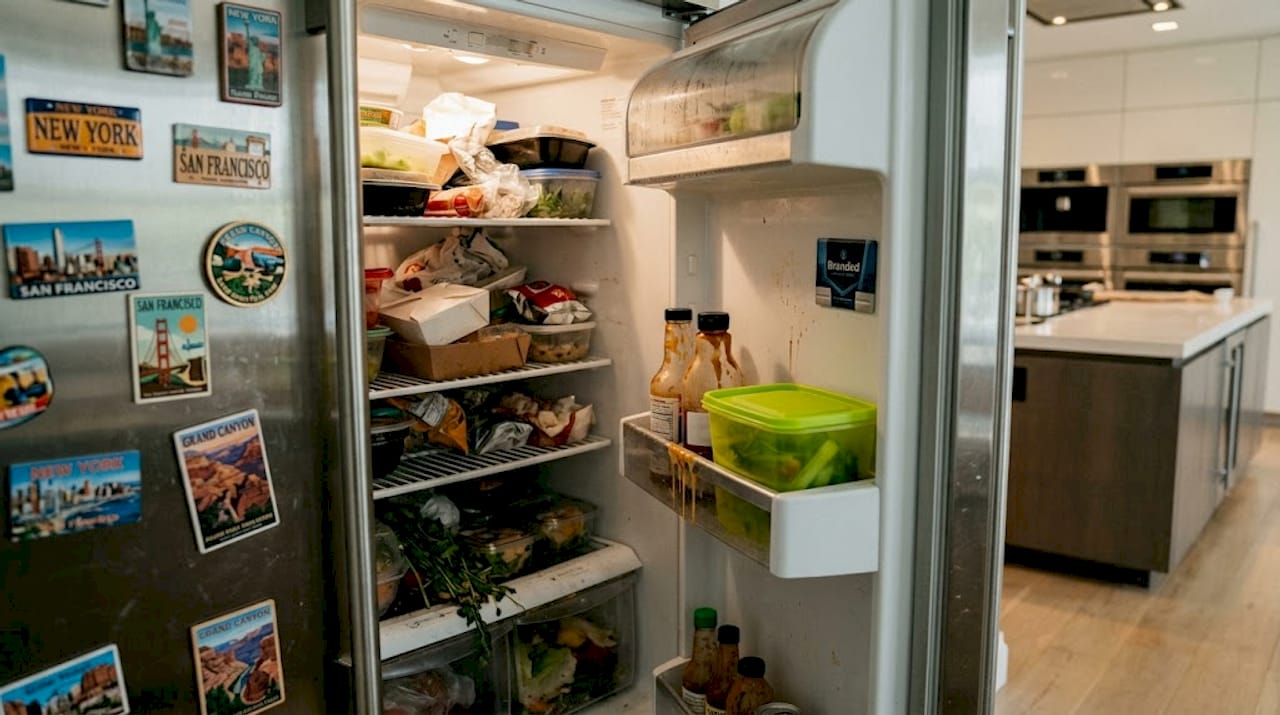
Labeling containers with the dish name and prep date reduces waste and eliminates guessing. Freezer tape and a permanent marker work reliably on both glass and plastic. Regular masking tape peels off in the freezer and leaves residue.
| Storage method | Best for | Max safe duration |
|---|---|---|
| Refrigerator | Meals you will eat within 3 to 4 days | 3 to 4 days |
| Freezer | Batch-cooked proteins, soups, grains | 2 to 3 months (quality) |
| Pantry (dry goods) | Grains, legumes, canned items | Varies by product |
Fridge organization also matters for food safety. Overcrowding blocks air circulation, which raises the internal temperature and pushes food into the danger zone faster. Store ready-to-eat meals on upper shelves, raw proteins sealed on lower shelves, and produce in designated drawers.
Pro Tip: Set a phone reminder every 4 days to audit your fridge. Scan containers for anything approaching its limit and either eat it that day or move it to the freezer.
5. Neglecting variety and nutritional balance
Eating the same three meals on repeat is one of the most common meal planning mistakes that quietly kills long-term adherence. It starts with convenience and ends with craving takeout by day four. The problem is usually nutritional, not just psychological.
Ignoring protein and fiber intake leads to hunger and dissatisfaction even when total calories are met. A lunch bowl of plain rice and vegetables might hit a calorie target but leave you hungry two hours later because it lacks the satiety combination of protein, fat, and fiber.
Practical ways to build variety without doubling your prep time:
- Rotate two or three different protein sources each week (chicken, eggs, lentils, tofu, salmon)
- Use colorful vegetables across meals, not just one or two types. Color variety signals nutrient variety.
- Keep healthy fats in rotation: olive oil, avocado, nuts, and seeds add both satisfaction and micronutrients
- Manage sodium by keeping sauces and marinades separate. Pre-sauced meals become salty and soggy by day three
- Apply the component prep model. Cook proteins, grains, and vegetables separately, then mix and match for each meal. This creates variety without creating extra work
For families with picky eaters, involving children in picking recipes improves mealtime success and long-term eating habits. Using food as a reward or punishment is a common mistake that creates unhealthy associations. When kids participate in the planning process, they are more likely to eat what is served without conflict. Dietium’s guide to meal planning for picky eaters covers this in depth.
My honest take on where meal planning really goes wrong
I have seen people obsess over macros, spend hours on prep, and still fall off their plan within two weeks. In my experience, the failures are almost never about knowledge. They are about execution habits.
The food safety piece is the one I see skipped most often. People track calories meticulously but leave cooked chicken on the counter for four hours. That disconnect is real, and it matters more than most nutrition content acknowledges.
What I have learned is that fewer changes at once produce better long-term results. Trying to fix your plan, your storage system, your labeling, and your variety all in the same week sets you up for overwhelm. Pick one problem, fix it completely, then move on.
I also think the labeling habit is deeply underrated. Once it becomes automatic, it changes how your whole fridge works. You stop throwing out food by accident. You start eating what you prepped. The whole system becomes self-reinforcing.
Involving kids, when that applies, is not just a nicety. Research shows it builds healthier long-term habits and cuts mealtime friction significantly. That alone can be the difference between a sustainable family meal plan and one that collapses under daily negotiation.
— Srasti
How Dietium helps you avoid these mistakes from day one
Knowing the top meal planning mistakes is one thing. Having a system that prevents them is another. Dietium is built to close that gap. The Recipians app generates custom meal plans tailored to your goals, dietary needs, and family preferences, so you never default to repetitive, unbalanced meals. Plans are built with ingredient overlap in mind, reducing waste and simplifying your shopping list. If you are planning for a family, Dietium’s family meal planning guide covers practical strategies for picky eaters, component prep, and keeping everyone satisfied. For those working with a tight budget, the budget meal planning tools show you how to eat well without overspending or overbuying.
FAQ
What are the top meal planning mistakes to avoid?
The most common are going in without a written plan, ignoring food safety temperatures, prepping too far in advance, skipping container labels, and repeating the same meals without nutritional variety.
How long do meal prep leftovers last in the fridge?
Most cooked leftovers are safe for 3 to 4 days when stored at or below 40°F. After that, freeze them or discard them to avoid foodborne illness.
What temperature is the food safety danger zone?
The danger zone is 40°F to 140°F. Bacteria double every 20 minutes in this range, so cooked food should be refrigerated within 2 hours of cooking.
Why does prepped food get soggy?
Sogginess usually comes from sealing warm food (which creates steam condensation) or storing sauces mixed into meals. Let food cool fully before sealing, and keep wet components separate until serving.
How do I add variety to a meal plan without extra prep?
Use the component prep model. Cook proteins, grains, and vegetables separately and combine them differently each day. Rotating two or three proteins each week and using varied colorful vegetables naturally diversifies your meals without adding preparation time.
Quick summary
The top meal planning mistakes are skipping a structured plan, ignoring food safety timing, prepping too far ahead, neglecting container labels, and repeating nutritionally imbalanced meals. Each one is fixable with a concrete habit. Respect the 40°F to 140°F danger zone, label every container with a date, prep in two shorter sessions instead of one long one, and rotate your proteins and vegetables to stay satisfied. Small, consistent corrections to your process will save you time, money, and food every single week.


