 Skip to content

Most American athletes push their bodies to new limits every season, but many overlook one critical detail. Research shows that over 60 percent of competitive athletes struggle to consume optimal protein for recovery and growth. Understanding the science behind protein intake matters because the right approach can enhance muscle repair and training results for athletes everywhere. This guide dispels common myths and delivers practical strategies for fine-tuning daily protein using data-driven insights and personalized nutrition tools.
Table of Contents
- Defining Protein Needs In Athletic Performance
- Types Of Dietary Protein Sources For Athletes
- Optimal Protein Intake And Timing For Results
- Role Of Protein In Muscle Repair And Growth
- Risks Of Deficiency And Overconsumption
Key Takeaways
| Point | Details |
|---|---|
| Protein Requirements Vary | Athletes typically need 1.2 to 2.0 grams of protein per kilogram of body weight daily, influenced by training intensity and individual characteristics. |
| Diverse Protein Sources | Both animal and plant-based proteins are effective for recovery, each offering unique benefits and amino acid profiles. |
| Timing Matters | Consuming 20-30 grams of protein within 45 minutes post-exercise significantly enhances muscle recovery and growth. |
| Balance is Key | Adequate protein intake is essential, but both deficiency and overconsumption carry risks that can impact performance and health. |
Defining Protein Needs in Athletic Performance
Protein plays a critical role in athletic performance, serving as the fundamental building block for muscle repair, recovery, and adaptation. Understanding the nuanced protein requirements for athletes goes beyond simple dietary recommendations. Specific protein needs vary dramatically based on individual training intensity, sport type, and physiological characteristics.
Athletes require more protein than sedentary individuals to support muscle protein synthesis and repair tissue damage caused by intense training. Research indicates that endurance and strength athletes typically need between 1.2 to 2.0 grams of protein per kilogram of body weight daily. Protein recommendations for athletes differ significantly from general population guidelines, emphasizing the importance of personalized nutritional strategies.
The protein requirements are not uniform across all athletes. Factors like training volume, muscle mass, recovery goals, and energy expenditure dramatically influence individual protein needs. Male and female athletes may have different protein metabolism rates, with some studies suggesting women might require slightly different protein intake strategies to optimize muscle protein synthesis and recovery.
Key considerations for determining protein needs include:
- Training intensity and duration
- Body composition goals
- Sport-specific energy demands
- Individual metabolic rates
- Recovery and injury prevention objectives
Pro tip: Consult a sports nutritionist to develop a personalized protein intake plan tailored to your specific athletic goals and training regimen.
Types of Dietary Protein Sources for Athletes
Athletes have diverse protein source options that can effectively support performance and muscle recovery. Protein sources vary significantly in their biological value, amino acid composition, and metabolic impact. Understanding these differences helps athletes make strategic nutritional choices that optimize their training and recovery outcomes.
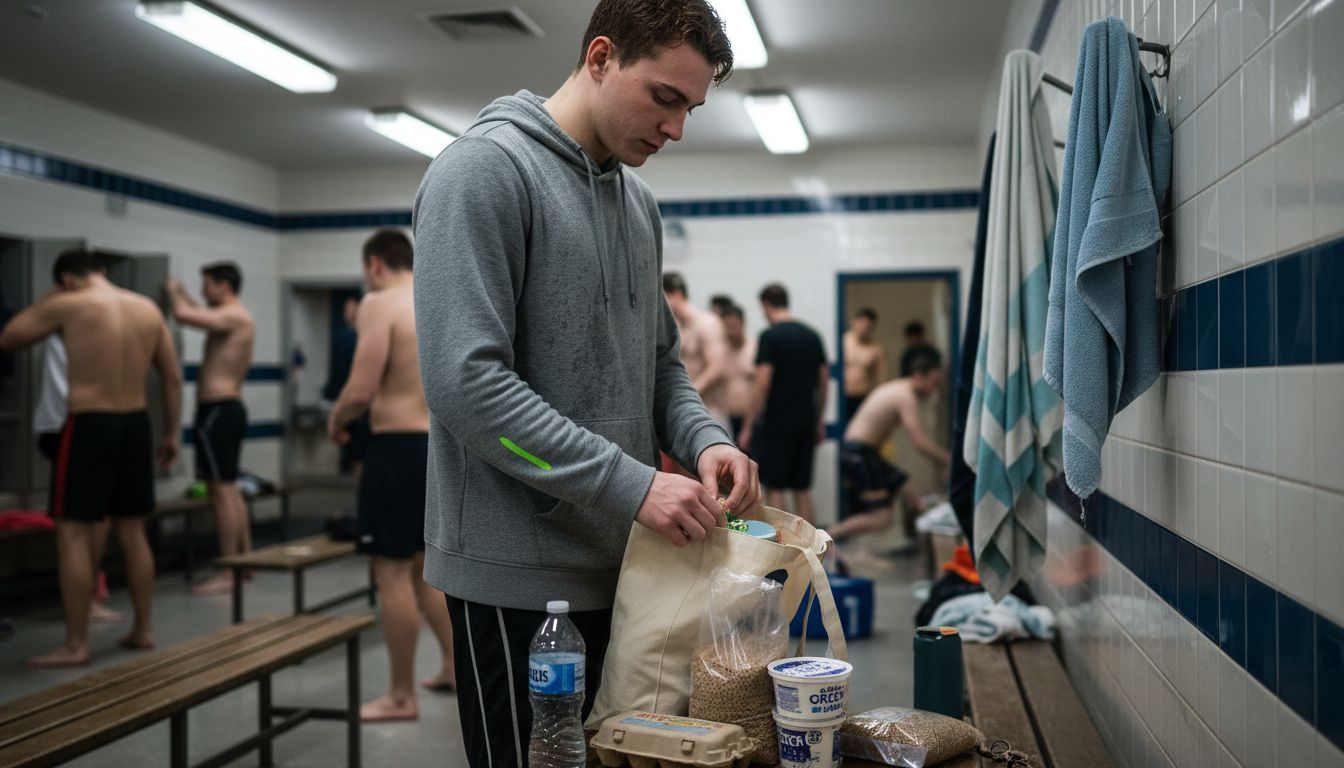
Animal-based proteins like whey, casein, and lean meats remain popular among athletes due to their complete amino acid profiles and high bioavailability. These proteins provide rapid muscle protein synthesis and contain essential amino acids crucial for muscle repair. Conversely, plant-based proteins from sources like legumes, quinoa, and soy offer compelling alternatives. Plant-based protein strategies have demonstrated remarkable potential in meeting protein requirements for high-performance athletes.
The key protein sources can be categorized into primary groups:
- Animal Proteins
- Whey protein
- Casein protein
- Chicken and turkey breast
- Lean beef
- Fish and seafood
- Plant-Based Proteins
- Legumes (beans, lentils)
- Quinoa
- Tofu and tempeh
- Seitan
- Pea protein
Nutritional balance remains critical. Athletes should focus on protein diversity, ensuring they consume a mix of protein sources to obtain a comprehensive amino acid profile and support overall metabolic functions.
Here’s a comparison of common animal and plant-based protein sources for athletes:
| Protein Source | Amino Acid Profile | Typical Digestibility | Best for |
|---|---|---|---|
| Whey Protein | Complete, high leucine | Very high | Rapid recovery |
| Chicken Breast | Complete | High | Lean muscle gain |
| Fish | Complete, rich in omega-3 | High | Inflammation control |
| Quinoa | Complete, all essentials | Moderate | Plant-based diets |
| Tofu | High, some limiting amino acids | High | Vegan options |
| Lentils | Incomplete, combine grains | Moderate | Fiber-rich meals |
Pro tip: Rotate between different protein sources throughout the week to maximize nutrient intake and prevent dietary monotony.
Optimal Protein Intake and Timing for Results
Protein timing represents a critical strategy for athletes seeking maximum performance and recovery. Protein intake protocols suggest consuming 20-30 grams of high-quality protein per meal, strategically distributed to optimize muscle protein synthesis and support athletic goals. The precision of protein consumption can significantly impact an athlete’s ability to recover, build muscle, and maintain peak physical condition.
Research demonstrates that protein absorption and utilization are not uniform throughout the day. Athletes should aim to distribute their protein intake across 3-4 meals, with each meal containing approximately 0.25-0.30 grams of protein per kilogram of body weight. Post-exercise protein strategies are particularly crucial, as consuming protein within 30-45 minutes after training can dramatically enhance muscle recovery and growth.
Key recommendations for optimal protein intake include:
- Consume 20-30g of protein per meal
- Space protein intake every 3-4 hours
- Prioritize protein consumption within 45 minutes post-workout
- Adjust intake based on individual training intensity
- Consider protein quality and digestibility
The metabolic window immediately following exercise represents a critical period for nutrient absorption. During this time, muscles are most receptive to protein uptake, making post-workout nutrition a strategic opportunity for athletes to support muscle repair and growth.
The following table summarizes the impact of protein intake timing on muscle recovery:
| Timing | Effect on Recovery | Practical Example |
|---|---|---|
| Within 45 min post-exercise | Maximizes muscle repair | Protein shake after training |
| Evenly spaced meals | Supports ongoing synthesis | 20–30g protein per meal |
| Skipped protein meal | Missed muscle-building window | Delayed progress |
Pro tip: Prepare protein-rich portable snacks in advance to ensure consistent protein intake during busy training schedules.
Role of Protein in Muscle Repair and Growth
Muscle protein synthesis is the foundational biological process through which athletes build and repair muscle tissue. Protein’s role in athletic performance extends far beyond simple nutrition, serving as a critical mechanism for metabolic adaptation and tissue recovery. When athletes engage in intense training, muscle fibers experience microscopic damage that requires precise protein-driven repair mechanisms.
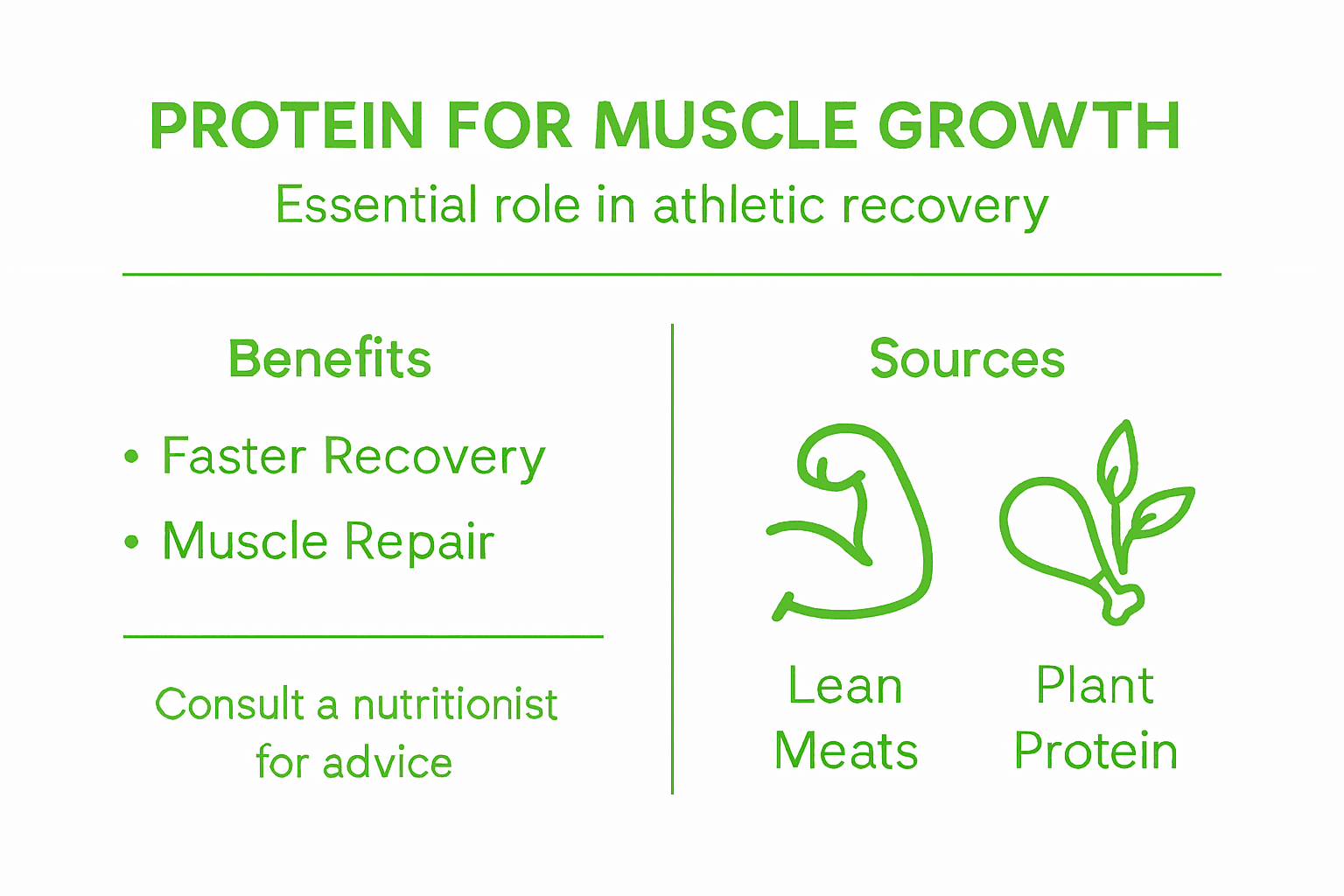
The biochemical process of muscle repair involves complex interactions between dietary protein, amino acids, and cellular signaling pathways. Muscle protein synthesis mechanisms demonstrate that protein intake triggers critical anabolic responses, stimulating muscle growth and restoration. Different amino acids play specialized roles in this process, with essential amino acids being particularly crucial for initiating muscle protein synthesis and supporting recovery.
Key aspects of protein’s role in muscle repair include:
- Providing amino acid building blocks for muscle tissue
- Supporting cellular repair mechanisms
- Enhancing muscle protein synthesis rates
- Reducing muscle protein breakdown
- Supporting metabolic adaptations to training stress
Athletes must understand that muscle repair is a continuous process influenced by nutrition, training intensity, and recovery strategies. The quality, quantity, and timing of protein consumption directly impact the body’s ability to rebuild and strengthen muscle tissue after intense physical activity.
Pro tip: Consume a protein source containing all essential amino acids within 30 minutes after training to maximize muscle repair potential.
Risks of Deficiency and Overconsumption
Protein nutrition for athletes is a delicate balance with significant performance implications. Protein intake risks range from potential muscle loss and reduced recovery due to deficiency to potential metabolic complications from excessive consumption. Understanding these nuanced risks is crucial for maintaining optimal athletic performance and long-term health.
Protein deficiency can severely compromise an athlete’s ability to recover and adapt to training stress. Insufficient protein intake leads to reduced muscle protein synthesis, decreased muscle mass, impaired recovery, and potentially compromised immune function. Conversely, protein overconsumption considerations suggest that while acute high protein intake appears safe, long-term excessive consumption may have undetermined metabolic consequences.
Key risks associated with protein imbalance include:
- Protein Deficiency Risks
- Muscle mass deterioration
- Reduced recovery capacity
- Compromised immune system
- Decreased training performance
- Protein Overconsumption Risks
- Potential metabolic strain
- Unnecessary caloric excess
- Potential kidney stress
- Digestive system challenges
Athletes should prioritize personalized nutrition strategies that provide adequate protein without unnecessary excess. Individual protein requirements vary based on training intensity, body composition, and specific athletic goals.
Pro tip: Consult a sports nutritionist to develop a precise, individualized protein intake plan that matches your specific athletic needs and metabolic profile.
Unlock Your Peak Athletic Performance with Personalized Protein Planning
Meeting your precise protein needs is essential for muscle repair growth and recovery but it can be challenging to pinpoint the right intake and timing to fuel your performance effectively. Whether you are aiming to optimize muscle synthesis or balance protein sources for maximum benefit addressing these goals requires a tailored approach that fits your unique training intensity body composition and recovery objectives.
At Dietium.com you can leverage advanced AI-powered tools and the innovative Recipians app to create personalized meal plans that align perfectly with your protein needs and athletic goals. Easily track your calorie needs body metrics and meal timing with precision plus gain access to diverse recipe options featuring both animal and plant-based protein sources. Take control of your nutrition today and experience the difference that personalized data-driven guidance makes for sustained muscle repair and peak performance. Start now at Dietium Recipians for your custom protein strategy crafted just for your active lifestyle.
Frequently Asked Questions
What are the recommended protein intake levels for athletes?
Athletes typically need between 1.2 to 2.0 grams of protein per kilogram of body weight daily, depending on their training intensity and sport type.
How does protein timing affect athletic performance?
Consuming protein 20-30 grams per meal, spaced every 3-4 hours, optimizes muscle protein synthesis. It’s especially crucial to consume protein within 30-45 minutes after exercising for maximal recovery benefits.
What are the differences between animal and plant-based protein sources for athletes?
Animal-based proteins, like whey and lean meats, typically offer complete amino acid profiles and higher bioavailability. Plant-based options, such as legumes and quinoa, are also effective but may require combinations to ensure all essential amino acids are consumed.
What are the risks associated with inadequate or excessive protein intake for athletes?
Insufficient protein can lead to muscle loss, reduced recovery, and impaired immune function. Conversely, excessive protein intake may pose metabolic strain and digestive challenges. It’s essential to find a balance based on individual needs.


