 Skip to content

Every american athlete faces the reality that proper nutrition is just as important as training itself. Research shows targeted nutrition can enhance athletic performance by over 20 percent compared to generic diets. The demands of intense physical activity mean athletes must look beyond general advice and consider precision-based fueling for endurance, muscle growth, and recovery. Understanding the core concepts behind nutrition for athletes helps unlock consistent results, prevent injury, and maximize each training session’s potential.
Table of Contents
- Defining Nutrition for Athletes: Core Concepts
- Essential Nutrients and Athletic Performance
- Meal Timing, Hydration, and Recovery Strategies
- Customizing Diets for Sport, Age, and Goals
- Avoiding Common Pitfalls and Nutrition Myths
Key Takeaways
| Point | Details |
|---|---|
| Nutrition is strategic for athletic performance | Athletes must adopt a tailored nutritional strategy that includes macronutrient balance, micronutrient intake, and hydration to optimize performance and recovery. |
| Timing nutrition enhances results | Consuming nutrients at specific times relative to training significantly improves recovery and muscle efficiency, emphasizing pre, during, and post-exercise nutrition. |
| Personalization is crucial | Customized nutrition plans must account for sport type, age, and individual goals to effectively meet an athlete’s unique physiological needs. |
| Beware of nutrition myths | Athletes should avoid common misconceptions such as relying on supplements instead of whole foods, as these can lead to suboptimal health and performance outcomes. |
Defining Nutrition for Athletes: Core Concepts
Nutrition for athletes transcends basic eating – it represents a strategic approach to fueling performance, recovery, and overall physical potential. Athletic nutrition is a specialized science that focuses on optimizing dietary intake to support training demands, enhance physical capabilities, and accelerate muscle adaptation.
At its core, athletic nutrition involves understanding how specific nutrients interact with metabolic processes to support muscle function and energy metabolism. Athletes require a precision-based nutritional strategy that goes beyond standard dietary recommendations. This means calibrating macronutrient ratios, timing nutrient intake, and selecting foods that provide targeted physiological benefits.
The fundamental components of an athlete’s nutritional framework include:
- Macronutrients: Proteins, carbohydrates, and fats that provide energy and support muscle development
- Micronutrients: Vitamins and minerals critical for cellular function and recovery
- Hydration: Fluid intake strategies that maintain electrolyte balance and prevent performance degradation
- Nutrient Timing: Strategic consumption of nutrients before, during, and after physical activity
Research indicates that proper nutritional practices can significantly enhance athletic performance, reducing injury risk and supporting physiological adaptation. Athletes who understand and implement targeted nutritional strategies can experience improved endurance, faster recovery, and more consistent training outcomes. The goal is not just consuming calories, but delivering precise nutritional support that aligns with individual training objectives and metabolic requirements.
Essential Nutrients and Athletic Performance
Athletic performance hinges on a delicate balance of essential nutrients that fuel physiological processes and support intense physical demands. Micronutrients play a critical role in this complex nutritional landscape, with specific vitamins and minerals directly influencing muscle function, energy production, and overall athletic capacity.
Researchers have identified several key micronutrients that are paramount for athletes. Calcium, iron, zinc, and magnesium emerge as fundamental components that support critical metabolic functions. These nutrients are not just supplementary additions but essential elements that drive muscular efficiency, oxygen transport, and cellular energy metabolism. Athletes require precise nutritional strategies that ensure optimal intake of these micronutrients to maintain peak performance levels.
The nutritional needs of athletes can be broken down into core categories:
- Macronutrients: Providing energy and supporting muscle development
- Micronutrients: Supporting cellular functions and recovery processes
- Electrolytes: Maintaining fluid balance and preventing performance decline
Comprehensive nutritional approaches for adolescent and professional athletes demonstrate that targeted nutrient consumption goes beyond mere caloric intake. It involves strategic planning that addresses individual metabolic requirements, training intensity, and specific physiological demands. By understanding the intricate relationship between nutrient intake and athletic performance, athletes can develop personalized nutrition plans that optimize their physical potential and support long-term athletic success.

Meal Timing, Hydration, and Recovery Strategies
Nutrient timing represents a sophisticated approach to fueling athletic performance, where the strategic consumption of nutrients becomes as critical as the nutrients themselves. Athletes must understand that optimal nutrition extends far beyond simply what they consume, but precisely when they consume specific nutrients to maximize physiological adaptation and recovery.
Nutrient consumption in relation to exercise plays a pivotal role in athletic performance and muscle recovery. The window immediately before, during, and after physical activity represents a metabolically unique period where the body’s nutritional requirements dramatically shift. Precise timing of protein, carbohydrate, and electrolyte intake can significantly enhance muscle protein synthesis, glycogen replenishment, and overall recovery mechanisms.
Key strategies for effective meal timing and recovery include:
- Pre-workout Nutrition: Consuming easily digestible carbohydrates and moderate protein 60-90 minutes before exercise
- During Exercise: Maintaining hydration and electrolyte balance through targeted fluid intake
- Post-workout Recovery: Consuming a balanced combination of proteins and carbohydrates within 30 minutes of completing physical activity
Hydration strategies are fundamental to athletic performance, with water intake requirements varying based on exercise intensity, duration, and environmental conditions. Professional athletes must develop personalized hydration protocols that account for individual sweat rates, metabolic efficiency, and specific training demands. By understanding and implementing sophisticated nutritional timing strategies, athletes can optimize their physiological potential, reduce injury risk, and accelerate recovery processes.
Customizing Diets for Sport, Age, and Goals
Nutritional needs are not universal – they represent a complex interplay between an athlete’s specific physiological requirements, sport-specific demands, age, and individual performance objectives. Personalized nutrition emerges as a sophisticated approach that moves beyond generic dietary recommendations, recognizing the unique metabolic fingerprint of each athlete.
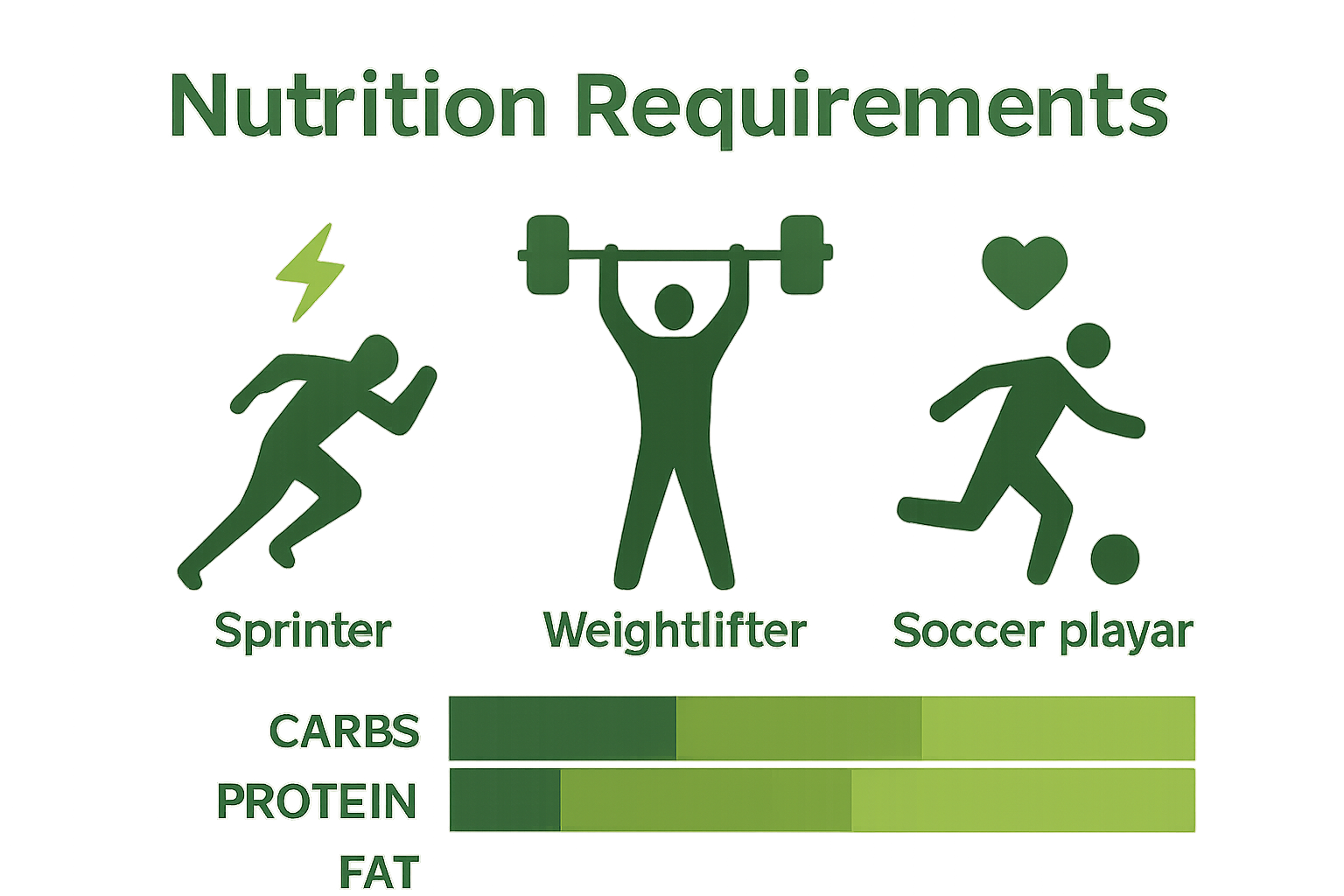
Adolescent athletes face particularly nuanced nutritional challenges that demand carefully calibrated dietary strategies. Their nutritional requirements differ dramatically from adult athletes, accounting for ongoing growth, developmental stages, and the specific energy demands of their chosen sport. Factors such as muscle development, hormonal changes, and recovery needs must be precisely integrated into their nutritional planning.
Key considerations for customized athletic nutrition include:
- Sport-Specific Requirements: Tailoring macronutrient ratios to match energy expenditure
- Age-Related Nutritional Needs: Adjusting calorie and micronutrient intake across different life stages
- Performance Goals: Aligning nutritional intake with specific training objectives
- Metabolic Variation: Accounting for individual differences in metabolism and nutrient absorption
Personalized nutrition strategies represent the future of athletic performance optimization. By developing individualized nutrition plans that consider an athlete’s unique physiological profile, sport, age, and performance goals, athletes can unlock unprecedented levels of performance potential. This approach transforms nutrition from a generic support mechanism into a precision tool for athletic excellence.
Avoiding Common Pitfalls and Nutrition Myths
Athletic nutrition is a landscape riddled with misconceptions that can derail performance and potentially compromise an athlete’s health. Nutritional myths often emerge from oversimplified interpretations of complex physiological processes, leading athletes to make uninformed dietary choices that undermine their training goals.
Micronutrient deficiencies represent a critical area of nutritional misinformation that can significantly impact athletic performance. Many athletes mistakenly believe that consuming large quantities of supplements can compensate for poor dietary habits, when in reality, balanced whole food nutrition provides more comprehensive and bioavailable nutrients. The human body absorbs nutrients most effectively through natural food sources, not isolated synthetic supplements.
Common nutritional pitfalls for athletes include:
- Supplement Overreliance: Believing supplements can replace balanced nutrition
- Extreme Dietary Restrictions: Eliminating entire food groups without professional guidance
- Inconsistent Hydration: Neglecting proper fluid intake during training
- Misunderstanding Caloric Needs: Undereating or overeating based on misconceptions
Building sustainable healthy eating habits requires critical thinking and evidence-based approaches. Athletes must learn to distinguish between scientifically validated nutritional strategies and popular but unfounded dietary trends. By developing a nuanced understanding of nutrition, athletes can create personalized eating plans that support their unique physiological requirements and performance objectives.
Unlock Your Peak Performance with Personalized Nutrition
The Essential Guide to Nutrition for Athletes highlights the importance of precise nutrient timing, balanced macronutrients, and tailored hydration strategies to boost athletic performance and recovery. Many athletes struggle with creating nutrition plans that truly match their sport, age, and goals. They need targeted support to avoid common pitfalls like supplement overreliance or inconsistent hydration.
At Dietium.com, we understand these challenges and offer a solution that transforms complex nutrition science into practical, personalized plans. Our advanced AI-powered Recipians app delivers custom meal plans, recipe suggestions, and fitness routines designed just for you. Whether you want to optimize your nutrient timing or tailor your diet to meet your specific needs, Recipians provides the tools and guidance to fuel your success. Start crafting a nutrition strategy that fits your unique profile today because every moment counts for your performance.
Explore expert insights with our nutrition meal planning tools and take control of your health goals with data-driven recommendations. Don’t wait to elevate your training and recovery. Visit Dietium.com now and unlock your true athletic potential.
Frequently Asked Questions
What are the key components of nutrition for athletes?
The essential components of nutrition for athletes include macronutrients (proteins, carbohydrates, and fats) for energy and muscle development, micronutrients (vitamins and minerals) for cellular function and recovery, hydration strategies to maintain electrolyte balance, and nutrient timing for optimal performance and recovery.
How does nutrient timing impact athletic performance?
Nutrient timing plays a crucial role in maximizing athletic performance. Consuming the right nutrients before, during, and after exercise helps enhance muscle protein synthesis, replenish glycogen stores, and accelerate recovery. It’s important to schedule meals and snacks strategically in relation to training sessions.
Why are micronutrients important for athletes?
Micronutrients such as calcium, iron, zinc, and magnesium are vital for athletes as they support key metabolic functions, including muscle efficiency, oxygen transport, and energy metabolism. Proper intake of these nutrients can significantly impact overall athletic performance and recovery.
How can athletes customize their nutrition plans?
Athletes can customize their nutrition plans by considering sport-specific requirements, age-related nutritional needs, individual performance goals, and metabolic variations. Developing a personalized diet that aligns with these factors can help optimize physical potential and support long-term success.


