 Skip to content

Over 60 percent of American gym-goers admit they are confused about what to eat after a workout. Effective recovery starts with understanding how nutrients power muscle repair and growth in the critical minutes after exercise. Knowing the right post workout nutrition strategy can help you recover faster, boost your results, and avoid the mistakes that many American athletes make every day.
Table of Contents
- Defining Post Workout Nutrition Principles
- Macronutrients And Timing For Optimal Recovery
- Best Foods And Supplements To Support Repair
- Nutrition Strategies For Different Fitness Goals
- Common Post Workout Nutrition Mistakes
Key Takeaways
| Point | Details |
|---|---|
| Post Workout Nutrition Importance | Consuming macronutrients within 30-45 minutes after exercise significantly enhances muscle recovery and growth. |
| Macronutrient Ratios | A carbohydrate to protein ratio of 3:1 or 4:1 optimizes muscle glycogen restoration and protein synthesis. |
| Food and Supplement Selection | Focus on high-quality proteins, complex carbohydrates, and strategic supplementation to accelerate muscle repair and energy replenishment. |
| Common Mistakes | Avoid inadequate protein intake and delaying nutrition beyond 45 minutes after exercise to maximize recovery efficiency. |
Defining Post Workout Nutrition Principles
Post workout nutrition represents a strategic window of metabolic opportunity for muscle recovery and growth. Understanding the core principles requires examining how nutrients interact with physiological processes immediately following intense physical activity. Nutrient timing research demonstrates that consuming specific macronutrients within 30-45 minutes after exercise can significantly enhance recovery outcomes.
The fundamental goals of post workout nutrition center on three critical objectives: replenishing glycogen stores, repairing muscle tissue, and initiating protein synthesis. Athletes require a precise balance of proteins and carbohydrates that can rapidly enter the bloodstream and trigger metabolic recovery mechanisms. Nutrition for athletes emphasizes that this recovery window represents a critical metabolic state where muscle cells are exceptionally receptive to nutrient absorption.
Unlike standard meal planning, post workout nutrition demands immediate and targeted nutritional intervention. The physiological demands include rapidly replacing electrolytes lost through sweat, providing amino acids for muscle repair, and supplying rapid-absorbing carbohydrates to restore energy reserves. By understanding these intricate biochemical processes, fitness enthusiasts can optimize their recovery strategy and accelerate their progress toward performance and body composition goals.
Macronutrients and Timing for Optimal Recovery
Post workout nutrition pivots on strategic macronutrient consumption to maximize muscle recovery and performance gains. Macronutrient research indicates that the precise balance and timing of proteins, carbohydrates, and fats can dramatically influence physiological recovery processes. Nutrient timing studies suggest consuming at least 1.2 g/kg of body weight in carbohydrates within the first few hours after intense exercise to effectively restore muscle glycogen stores.
Carbohydrates play a critical role in post workout recovery by rapidly replenishing energy reserves. Proteins simultaneously support muscle tissue repair and growth through amino acid delivery. The ideal post workout nutritional strategy involves consuming a blend of fast-absorbing proteins like whey and simple carbohydrates that can quickly enter the metabolic pathway. Research demonstrates that a 3:1 or 4:1 carbohydrate to protein ratio can optimize muscle glycogen restoration and protein synthesis.
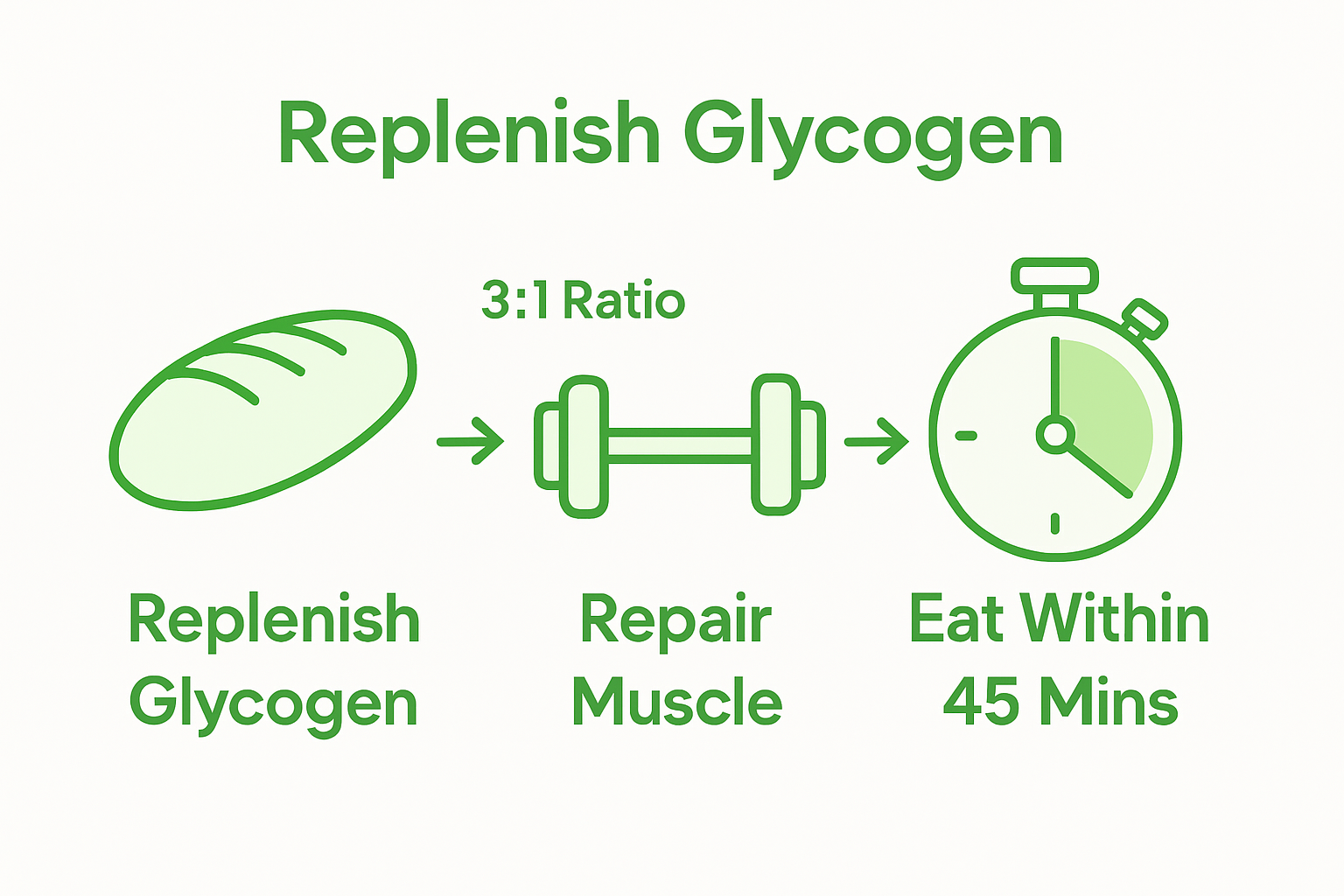
Timing remains a crucial factor in maximizing nutritional recovery. The metabolic window immediately following exercise represents a critical period where muscle cells are most receptive to nutrient absorption. Consuming a balanced nutritional combination within 30 minutes post workout can significantly accelerate recovery processes, reduce muscle breakdown, and stimulate protein synthesis. By understanding and implementing these macronutrient principles, athletes can transform their post exercise nutrition from a passive recovery process into an active performance enhancement strategy.
Best Foods and Supplements to Support Repair
Recovery nutrition demands a strategic approach to selecting foods and supplements that accelerate muscle repair and replenish energy stores. Nutritional strategies for muscle gain emphasize the importance of consuming whole foods rich in high-quality proteins, complex carbohydrates, and essential micronutrients. Nutritional research highlights the critical role of combining carbohydrates with proteins to optimize glycogen resynthesis and muscle recovery.
Key foods for post workout repair include lean proteins like chicken, fish, and Greek yogurt, which provide essential amino acids for muscle tissue regeneration. Complex carbohydrates such as sweet potatoes, quinoa, and brown rice help rapidly restore muscle glycogen levels. Nutrient-dense options like salmon offer omega-3 fatty acids that support inflammation reduction, while eggs provide a complete protein profile with essential recovery-supporting nutrients.

Supplementation can strategically enhance the body’s repair processes. Whey protein isolates offer rapid amino acid absorption, while branched-chain amino acids (BCAAs) can help reduce muscle soreness and accelerate recovery. Creatine monohydrate supports cellular energy production, and glutamine helps maintain immune function during intense training periods. By understanding and implementing these targeted nutritional interventions, athletes can transform their post workout recovery from a passive process into an active performance optimization strategy.
Nutrition Strategies for Different Fitness Goals
Nutrition strategies must be meticulously tailored to individual fitness objectives, recognizing that one-size-fits-all approaches fail to maximize performance and recovery. Nutrition goals require precise planning to align macronutrient intake with specific physiological demands. Nutrient timing research demonstrates that macronutrient ratios and energy intake can be strategically adjusted to support diverse fitness outcomes, from muscle hypertrophy to endurance performance.
Muscle building demands a protein-rich approach with a caloric surplus, typically requiring 1.6-2.2 grams of protein per kilogram of body weight daily. Endurance athletes conversely need higher carbohydrate intake to support prolonged energy expenditure, with an emphasis on complex carbohydrates and strategic glycogen replenishment. Weight loss strategies focus on creating a moderate caloric deficit while maintaining sufficient protein intake to preserve muscle mass and support metabolic function.
Each fitness goal requires nuanced nutritional manipulation. Bodybuilders might prioritize precise meal timing and protein synthesis, while runners need consistent energy availability and electrolyte balance. Cross-training athletes benefit from a more flexible nutritional approach that incorporates elements from multiple dietary strategies. By understanding these distinct nutritional frameworks, individuals can design targeted nutrition plans that precisely match their specific performance and body composition objectives.
Common Post Workout Nutrition Mistakes
Nutritionists and fitness professionals frequently observe critical errors that significantly undermine post workout recovery potential. Muscle growth nutrition requires precision and strategic planning to avoid common pitfalls. Research on nutrient timing reveals that failing to consume adequate carbohydrates within the critical recovery window can dramatically impair muscle glycogen resynthesis, potentially reducing performance and recovery efficiency.
One prevalent mistake involves inadequate protein intake or consuming low-quality protein sources. Athletes often misjudge their protein requirements, either consuming insufficient quantities or relying on protein sources with incomplete amino acid profiles. Another significant error is neglecting carbohydrate consumption, which is crucial for replenishing muscle glycogen stores. Many individuals mistakenly believe that avoiding carbohydrates will enhance fat loss, when in reality, strategic carbohydrate intake is essential for muscle recovery and metabolic function.
Timing represents another critical area where athletes frequently make nutritional missteps. The post workout metabolic window is narrow and highly responsive to nutrient intake. Delaying nutrition by more than 45 minutes after exercise can substantially reduce the body’s ability to efficiently repair muscle tissue and restore energy reserves. Hydration is equally important and often overlooked, with many athletes failing to replace electrolytes and fluids lost during intense training sessions. By understanding and avoiding these common nutritional mistakes, individuals can optimize their recovery strategy and unlock more consistent performance improvements.
Take Control of Your Recovery and Unlock Peak Performance
Maximizing muscle recovery requires more than just working out. The post workout nutrition window is where your body demands precise macronutrient balance and timing to replenish glycogen, repair muscles, and jumpstart protein synthesis. Common challenges like delayed nutrient intake or missing the right combination of proteins and carbohydrates can hold back your progress and leave you feeling drained or sore longer than necessary. Understanding these concepts is key to transforming recovery from a passive process into a powerful performance boost.
At Dietium, we help you conquer these challenges with tailored nutrition solutions designed around your unique goals. Our Recipians app delivers custom meal plans that perfectly align with your post workout needs, ensuring you get the right nutrients at the right time. Backed by evidence-based strategies and smart AI tools, you can track your macronutrient intake, optimize your recovery phases, and prevent common mistakes like inadequate protein or skipped carbohydrates. Don’t wait to recharge your body and accelerate your gains. Explore how personalized post workout nutrition can elevate your fitness journey by visiting Dietium’s Recipians today and start fueling your recovery smarter.
Frequently Asked Questions
What are the key principles of post workout nutrition?
Post workout nutrition focuses on replenishing glycogen stores, repairing muscle tissue, and initiating protein synthesis. Consuming specific macronutrients within 30-45 minutes after exercise can enhance recovery outcomes significantly.
How much protein and carbohydrates should I consume after workouts?
It’s recommended to consume about 1.2 grams of carbohydrates per kilogram of body weight and a 3:1 or 4:1 ratio of carbohydrates to protein to optimize muscle glycogen restoration and protein synthesis following exercise.
What are the best foods to eat after a workout?
Key foods include lean proteins like chicken, fish, and Greek yogurt for amino acids, along with complex carbohydrates such as sweet potatoes, quinoa, and brown rice to restore energy levels. Nutrient-dense options like salmon and eggs are also beneficial.
What common mistakes should I avoid in my post workout nutrition?
Common mistakes include inadequate protein intake, neglecting carbohydrates, delaying nutrient consumption beyond 45 minutes post-exercise, and failing to rehydrate properly after workouts.
Recommended
- The Essential Guide to Nutrition for Athletes – Dietium
- Understanding Nutrition for Muscle Gain and Growth – Dietium
- Understanding Pre Workout Nutrition for Optimal Performance – Dietium
- 1.best workouts to gain weight, Lose Fat Transform Body
- Kompozycja Matéa Mreatyna (matcha + kreatyna) naturove – zdrowepreparaty.pl


