 Skip to content

Every athlete knows the feeling of hitting a wall during a tough workout, yet the reasons often trace back to hydration far beyond simple thirst. Proper fluid balance keeps metabolic reactions running smoothly, regulates temperature, and supports muscle function, making hydration a vital force behind peak performance. For those pushing limits in hot environments or long sessions, understanding how the body manages water and electrolytes can provide a smarter blueprint for recovery and consistent results.
Table of Contents
- Defining Hydration And Its Physiological Role
- Types Of Fluid Loss During Exercise
- Electrolyte Balance And Athletic Performance
- Hydration Strategies For Training And Competition
- Risks Of Dehydration And Overhydration
- Monitoring Hydration With Tech And Self-Checks
Key Takeaways
| Point | Details |
|---|---|
| Hydration is Critical for Performance | Maintaining proper hydration supports metabolic processes, temperature regulation, and overall athletic performance. |
| Fluid Loss Mechanisms | Understanding the various types of fluid loss during exercise helps athletes design personalized hydration strategies. |
| Electrolyte Balance is Essential | Critical electrolytes like sodium and potassium must be replaced to prevent performance decline and health risks. |
| Monitor Your Hydration | Utilizing technology alongside self-assessment methods can enhance your hydration management effectively. |
Defining Hydration and Its Physiological Role
Hydration represents far more than simply drinking water – it is a fundamental biochemical process critical to human performance and survival. Water constitutes between 50-80% of human body weight, serving as the primary medium through which essential metabolic functions occur. Athletes and fitness enthusiasts must understand hydration goes beyond thirst, acting as a complex physiological system that supports optimal bodily performance.
At its core, hydration involves maintaining precise fluid balance within the body’s intricate systems. Critical physiological processes depend on proper water balance, enabling everything from cellular metabolism to temperature regulation. The human body constantly manages water intake and loss through mechanisms like sweating, breathing, and metabolic reactions, making hydration a dynamic and ongoing process.
Key physiological roles of hydration include:
- Transporting nutrients and oxygen through the bloodstream
- Regulating body temperature during physical exertion
- Supporting joint lubrication and muscle function
- Facilitating metabolic chemical reactions
- Maintaining electrolyte balance
- Eliminating cellular waste products
Maintaining optimal hydration enhances physical performance across diverse athletic disciplines, supporting everything from endurance activities to high-intensity training. Water acts as a critical medium for enzymatic functions, enabling athletes to sustain peak performance through efficient physiological processes.
Pro tip: Monitor your urine color as a quick hydration status indicator – pale yellow suggests good hydration, while dark yellow signals potential fluid deficiency.
Types of Fluid Loss During Exercise
Athletes experience multiple pathways of fluid loss during physical activity, each with unique implications for performance and health. Exercise-induced fluid depletion occurs through several complex physiological mechanisms, varying based on individual factors like intensity, duration, and environmental conditions.
The primary types of fluid loss during exercise include:
- Sweating: The most significant source of fluid loss
- Respiratory water loss
- Urinary excretion
- Metabolic water production
- Gastrointestinal fluid loss
Sweat loss represents the body’s primary cooling mechanism, with fluid volume directly impacted by exercise intensity and ambient temperature. Fluid loss types significantly affect athletic performance and physiological function, creating potential risks of hypohydration if not properly managed.
Here’s a concise overview of how different fluid loss mechanisms impact athletes during exercise:
| Fluid Loss Type | Affected Performance Aspect | Environmental Influence |
|---|---|---|
| Sweating | Core temperature and endurance | Increased in hot, humid climates |
| Respiratory water loss | Oxygen delivery and stamina | Elevated during intense activity |
| Urinary excretion | Electrolyte balance | Usually lower during exercise |
| Gastrointestinal loss | Digestion and energy absorption | Higher risk with GI upset |
Understanding these factors supports more precise hydration strategies for athletic training.
The magnitude of fluid loss varies dramatically across different exercise conditions. High-intensity workouts in hot environments can cause substantial fluid depletion, potentially reducing physical performance and cognitive function. Professional athletes must develop personalized hydration strategies that account for individual sweat rates, exercise duration, and environmental challenges.
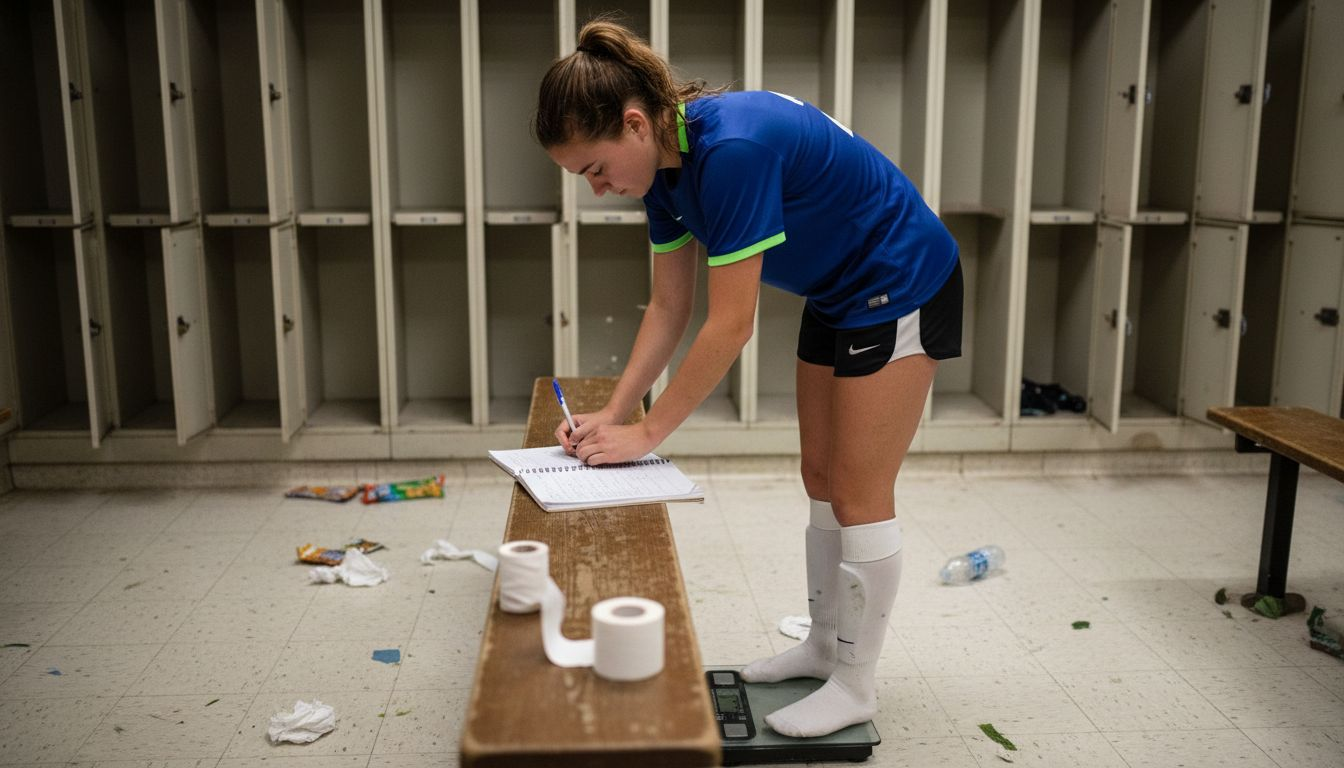
Pro tip: Weigh yourself before and after exercise to precisely calculate your fluid loss and develop a personalized rehydration strategy.
Electrolyte Balance and Athletic Performance
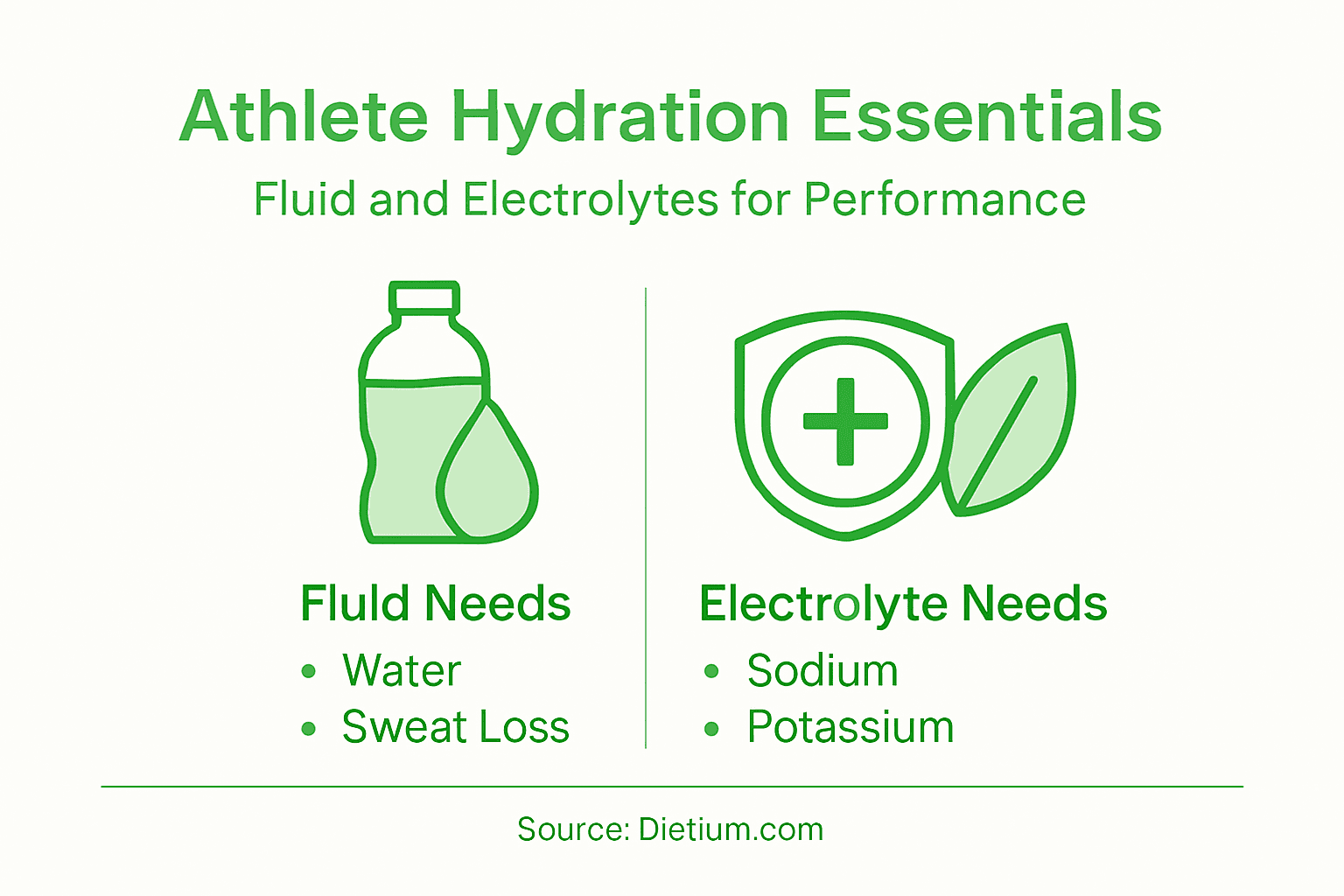
Electrolytes are critical minerals that play a fundamental role in athletic performance, acting as essential conductors of electrical impulses that regulate multiple physiological processes. Electrolyte loss during exercise significantly impacts muscle function and overall performance, with key minerals like sodium, potassium, and chloride determining an athlete’s ability to maintain peak physical condition.
The primary electrolytes crucial for athletic performance include:
- Sodium: Regulates fluid balance and nerve transmission
- Potassium: Supports muscle contraction and heart function
- Chloride: Maintains proper blood volume and pH levels
- Magnesium: Assists in muscle and nerve function
- Calcium: Enables muscle contractions and bone health
Rehydration solutions with balanced electrolytes improve fluid retention and performance, particularly in challenging environmental conditions. Heat exposure and intense exercise can dramatically alter electrolyte concentrations, creating potential risks such as muscle cramps, reduced cognitive function, and decreased overall athletic performance.
Professional athletes must develop personalized electrolyte replacement strategies that account for individual sweat rates, exercise intensity, and environmental conditions. This approach helps prevent performance-limiting conditions like hyponatremia and ensures optimal physiological function during intense physical activities.
Pro tip: Consider consuming electrolyte-rich beverages during extended workouts lasting more than 60 minutes to maintain optimal mineral balance and prevent performance decline.
Hydration Strategies for Training and Competition
Hydration strategies are complex, personalized approaches that require careful planning and adaptation to individual athlete needs and environmental conditions. Personalized hydration techniques are essential for optimizing athletic performance and safety, demanding a comprehensive understanding of fluid dynamics during physical exertion.
Key hydration strategies for athletes include:
- Pre-exercise hydration: Ensuring optimal fluid status before activity
- During-exercise fluid replacement: Matching fluid intake to sweat loss
- Post-exercise rehydration: Restoring electrolyte and fluid balance
- Environmental adaptation: Adjusting strategies for heat, humidity, and altitude
- Individual sweat rate assessment: Developing personalized fluid intake protocols
Optimal hydration requires a systematic approach to fluid consumption, incorporating techniques like pre-loading with electrolyte drinks and training the digestive system to process fluids efficiently during intense physical activity. Professional athletes must consider factors such as exercise duration, intensity, environmental temperature, and individual physiological responses when designing their hydration plan.
Successful hydration strategies go beyond simply drinking water. They involve precise timing, electrolyte balance, and understanding the body’s unique fluid requirements. Athletes should develop a nuanced approach that considers individual sweat rates, metabolic efficiency, and specific performance goals.
Pro tip: Conduct a personalized sweat rate test by weighing yourself before and after exercise to determine your exact fluid replacement needs.
Risks of Dehydration and Overhydration
Hydration balance represents a critical physiological tightrope for athletes, where both insufficient and excessive fluid intake can create significant health risks. Dehydration and overhydration present complex medical challenges, demanding precise understanding and careful management to maintain optimal performance and prevent potential complications.
Key risks associated with fluid imbalance include:
- Dehydration Risks:
- Reduced blood volume
- Increased cardiovascular strain
- Impaired thermoregulation
- Decreased cognitive function
- Potential organ dysfunction
- Overhydration Risks:
- Hyponatremia
- Cellular edema
- Electrolyte disruption
- Potential cardiopulmonary complications
Both extreme fluid conditions can significantly impact athletic performance, creating substantial risks for athletes across different disciplines. Dehydration diminishes physical capabilities by reducing blood volume and increasing cardiovascular stress, while overhydration can lead to dangerous electrolyte imbalances that compromise metabolic functioning.
Athletes must develop nuanced hydration strategies that maintain euvolemia – the optimal state of fluid balance. This requires understanding individual physiological responses, environmental conditions, and precise fluid intake mechanisms that support consistent performance without risking health complications.
Pro tip: Monitor your body weight before and after exercise to detect significant fluid loss and adjust your hydration strategy accordingly.
Monitoring Hydration with Tech and Self-Checks
Hydration monitoring has evolved dramatically with the emergence of advanced technological solutions that provide athletes unprecedented insights into their fluid balance. Wearable sensors combined with machine learning offer revolutionary hydration tracking capabilities, transforming how athletes understand and manage their bodily fluid dynamics.
Key hydration monitoring technologies include:
- Wearable biosensors: Real-time fluid loss tracking
- Smart watches: Heart rate and sweat rate monitoring
- Mobile applications: Personalized hydration recommendations
- Urine color charts: Simple visual hydration assessment
- Body weight tracking: Pre and post-exercise fluid loss measurement
Advanced biosensors deliver personalized hydration recommendations directly to mobile devices, integrating machine learning algorithms that adapt to individual physiological responses. These technologies analyze multiple data points including sweat composition, environmental conditions, and individual metabolic characteristics to provide precise hydration guidance.
While technological solutions offer incredible insights, athletes should combine tech-based monitoring with traditional self-check methods. Understanding your body’s unique hydration signals requires a holistic approach that integrates wearable data with personal awareness, ensuring comprehensive fluid management across different training and competition scenarios.
Summary of technology- and self-based hydration monitoring methods:
| Method | Data Provided | Typical Use Case |
|---|---|---|
| Wearable biosensors | Real-time sweat composition | Long endurance sessions |
| Smart watches | Heart rate, sweat estimation | Daily fitness tracking |
| Urine color chart | Visual hydration assessment | Quick, at-home monitoring |
| Body weight tracking | Pre/post-exercise fluid loss | Personalized hydration planning |
Combining these tools delivers a complete view of personal hydration status.
Pro tip: Cross-reference your wearable device data with manual self-checks like urine color and body weight to develop a more comprehensive hydration understanding.
Take Control of Your Hydration and Performance Today
Understanding the vital role hydration and electrolyte balance play in achieving peak athletic performance can be challenging. This article highlights the difficulty athletes face in managing fluid loss, maintaining electrolyte balance, and personalizing hydration strategies for different environments and exercise intensities. If you struggle with matching your hydration needs to your unique sweat rate or want a smarter way to plan meals and fluids that optimize your energy and recovery, you are not alone.
At Dietium.com, we help you turn these challenges into opportunities for better performance and health. Our AI-powered Recipians app offers personalized meal plans and nutrition recommendations tailored to your fitness goals and hydration requirements. With advanced tools to track your body metrics and nutritional intake, you can develop a hydration strategy as precise as the research in this article recommends. Discover how to align your electrolyte intake, caloric needs, and fluid replacement with your training by visiting Dietium’s personalized nutrition solutions. Start now and transform your athletic potential by embracing smarter hydration and nutrition techniques.
Take the first step to master your hydration with the expert guidance and technology available at Dietium.com. Your peak performance is just a plan away.
Frequently Asked Questions
What is the importance of hydration for athletes?
Hydration is crucial for athletes as it regulates body temperature, transports nutrients, and supports muscle function, ultimately enhancing performance and preventing dehydration-related issues.
How can athletes monitor their hydration status effectively?
Athletes can monitor hydration through various methods, including using wearable biosensors, tracking urine color, and weighing themselves before and after exercise to assess fluid loss.
What are the risks associated with dehydration during exercise?
Dehydration can lead to reduced blood volume, increased cardiovascular strain, impaired thermoregulation, diminished cognitive function, and potential organ dysfunction, all of which negatively impact athletic performance.
How do electrolytes affect athletic performance?
Electrolytes are vital for regulating fluid balance and muscle function. They help maintain nerve transmission and prevent muscle cramps, ensuring athletes can perform optimally during high-intensity activities.


