 Skip to content

Most American fitness enthusiasts still believe protein must be consumed within minutes of a workout, yet new research shows total daily intake is far more important. For health-conscious millennials tracking every rep and meal, understanding when and how to eat protein can mean real progress or wasted effort. This evidence-based guide clears up common myths, highlights proven protein strategies for muscle recovery, and helps you confidently align your nutrition with weight management goals.
Table of Contents
- Defining Optimal Protein Timing And Myths
- Protein Types And Absorption Rates Explained
- How Meal Timing Affects Muscle Recovery
- Protein Intake For Weight Loss Vs. Muscle Gain
- Common Mistakes With Protein Timing
Key Takeaways
| Point | Details |
|---|---|
| Protein Timing Flexibility | Total daily protein intake is more crucial than timing, allowing flexibility around workout consumption. |
| Protein Source Importance | Different protein sources have varying absorption rates and amino acid profiles; choose accordingly for optimal nutrition. |
| Muscle Recovery Beyond Protein | Muscle recovery involves more than immediate post-workout nutrition; overall diet quality and nutrient timing are essential. |
| Common Mistakes | Avoid focusing solely on post-workout protein timing; ensure consistent protein intake throughout the day for better results. |
Defining Optimal Protein Timing and Myths
Protein timing has long been surrounded by myths and misconceptions about when and how to consume protein for optimal muscle growth and metabolic performance. While traditional fitness advice suggested consuming protein immediately after workouts in a narrow “anabolic window,” recent scientific research challenges these long-held beliefs.
A comprehensive systematic review published in 2024 provides critical insights into protein intake strategies. Protein timing research revealed that total daily protein consumption matters significantly more than precise timing around exercise. Trained males showed improvements in muscle mass and performance with high-protein diets, but no substantial differences emerged between protein intake immediately before or after workouts.
Traditional fitness myths often claimed that protein must be consumed within 30-45 minutes post-exercise to maximize muscle protein synthesis. However, modern scientific evidence suggests a more flexible approach. Systematic muscle adaptation studies concluded that timing does not significantly impact lean body mass or strength gains when total protein intake remains consistent. This research undermines the strict anabolic window concept, suggesting individuals have more dietary flexibility than previously believed.
Understanding protein metabolism requires recognizing individual variations. While general guidelines exist, factors like total protein intake, individual metabolism, workout intensity, and personal fitness goals play crucial roles in determining optimal nutritional strategies. Muscle protein synthesis is a complex process influenced by multiple factors beyond simple timing.
Pro tip: Focus on meeting your total daily protein requirements rather than obsessing over precise timing windows around workouts.
Protein Types and Absorption Rates Explained
Protein absorption is a complex biological process that varies dramatically depending on the protein’s source, composition, and processing method. Understanding these nuanced differences can help individuals optimize their nutritional strategies for muscle growth, recovery, and overall health. Not all proteins are created equal, and their absorption rates can significantly impact how effectively our bodies utilize these crucial nutrients.
Protein digestion research reveals that food processing plays a critical role in protein bioavailability. Heat treatment, hydrolysis, and other processing techniques can dramatically alter how quickly and efficiently proteins are broken down and absorbed by the body. Animal proteins traditionally have higher digestibility, but innovative processing methods are improving plant protein absorption rates.
The differences between animal and plant protein sources extend beyond simple absorption rates. Comparative protein source studies demonstrate that while animal proteins typically provide faster nutrient release and complete amino acid profiles, advanced processing techniques are narrowing the nutritional gap. Factors like protein structure, amino acid composition, and individual metabolic differences all contribute to how effectively our bodies can utilize different protein sources.
Protein types can be broadly categorized into fast-absorbing and slow-absorbing categories. Whey protein, derived from milk, is known for rapid absorption and quick muscle protein synthesis, making it ideal for post-workout recovery. In contrast, casein protein digests more slowly, providing a sustained amino acid release that can support muscle maintenance over extended periods. Plant-based proteins like pea, hemp, and rice proteins offer unique absorption profiles and can be combined to create more complete protein sources.

Below is a comparison of common protein sources and their absorption characteristics:
| Protein Source | Absorption Rate | Amino Acid Profile |
|---|---|---|
| Whey | Fast | Complete, high leucine |
| Casein | Slow | Complete, sustained release |
| Pea | Moderate | Incomplete, blend recommended |
| Soy | Moderate | Complete, plant-based |
| Hemp | Moderate | Incomplete, often blended |
Pro tip: Experiment with protein sources and track your body’s response, as individual absorption can vary significantly based on personal metabolism and dietary habits.
How Meal Timing Affects Muscle Recovery
Muscle recovery is a complex physiological process that extends far beyond simply consuming protein after a workout. The strategic timing of nutritional intake can significantly influence how quickly and effectively muscles repair, rebuild, and grow following intense physical activity. Understanding the nuanced relationship between meal timing and muscle recovery can transform an individual’s fitness and performance outcomes.
Nutritional supplement research demonstrates that immediate protein and carbohydrate intake after exercise dramatically enhances muscle recovery mechanisms. The first 30-45 minutes post-workout represent a critical window where muscles are most receptive to nutrient absorption, with faster glycogen replenishment and reduced fatigue compared to delayed nutritional intake. This period is characterized by heightened metabolic sensitivity and increased protein synthesis potential.
Chrono-nutrition research reveals that nutrient timing is not just about post-workout consumption, but also aligns with our body’s circadian rhythms. Molecular pathways activated by strategically timed nutrient intake can optimize muscle protein synthesis, particularly in athletes and aging populations. Different types of exercise may require slightly varied nutritional approaches, with endurance activities potentially benefiting from different timing strategies compared to strength training.
The complexity of muscle recovery extends beyond simple protein consumption. Factors like exercise intensity, individual metabolism, type of workout, and overall nutritional status all play crucial roles in determining optimal recovery strategies. While immediate post-workout nutrition is important, total daily protein intake and overall dietary quality remain paramount in supporting muscle health and performance.
Pro tip: Prepare a quick protein and carbohydrate blend to consume within 30 minutes after your workout to maximize muscle recovery and reduce post-exercise fatigue.
Protein Intake for Weight Loss vs. Muscle Gain
Protein plays a pivotal role in body composition, serving distinctly different purposes for individuals targeting weight loss versus muscle gain. While both goals require strategic nutritional approaches, the underlying metabolic processes and protein requirements vary significantly. Understanding these nuanced differences can help individuals design more effective nutritional strategies tailored to their specific fitness objectives.
Protein intake research demonstrates that higher protein consumption during weight loss is crucial for preserving lean muscle mass. Adults with overweight or obesity can benefit from increased protein intake, which helps maintain muscle tissue during caloric restriction. This approach prevents the typical muscle loss associated with traditional low-calorie diets, supporting a more metabolically active body composition.
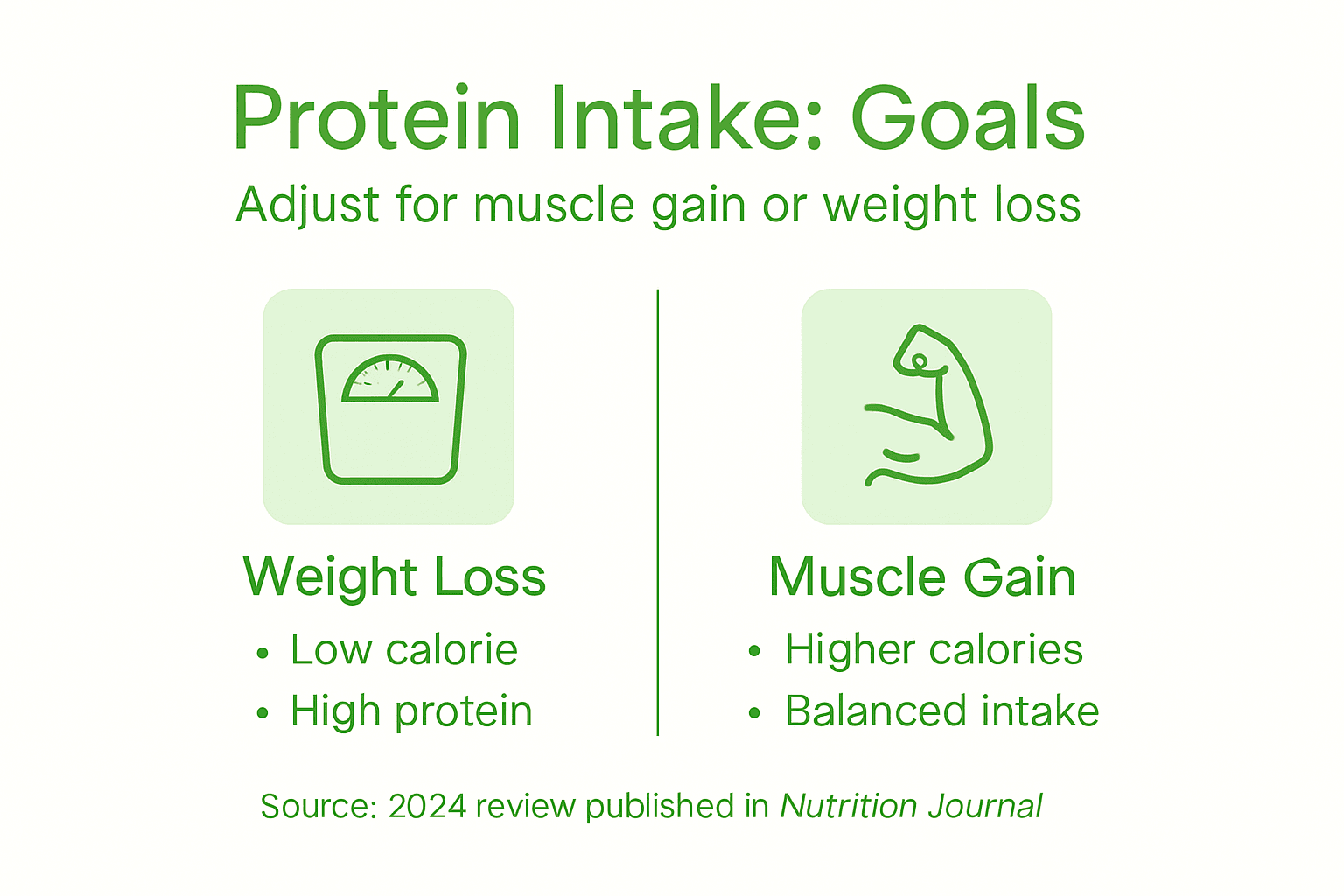
Comparative protein source studies reveal fascinating insights into protein’s role for muscle gain and weight management. For muscle growth, higher protein doses are essential to stimulate muscle protein synthesis, with recommendations typically ranging from 1.6 to 2.2 grams per kilogram of body weight. In contrast, weight loss contexts require a more moderate protein approach focused on muscle preservation, usually around 1.2 to 1.6 grams per kilogram, emphasizing quality and distribution throughout the day.
The source of protein also matters significantly. While animal proteins traditionally offer complete amino acid profiles, plant-based proteins can be equally effective when strategically combined. Individuals should consider their dietary preferences, potential allergies, and metabolic responses when selecting protein sources. Factors like protein absorption rate, amino acid composition, and individual metabolic differences all play crucial roles in determining the most effective protein strategy for weight loss or muscle gain.
Here’s a summary highlighting how protein intake strategies differ between weight loss and muscle gain goals:
| Aspect | Weight Loss Strategy | Muscle Gain Strategy |
|---|---|---|
| Protein Intake per kg | 1.2–1.6 grams | 1.6–2.2 grams |
| Focus | Muscle preservation | Muscle synthesis |
| Source Flexibility | Importance of quality sources | Emphasis on complete amino acids |
| Timing Emphasis | Consistent distribution | Higher intake near workouts |
Pro tip: Customize your protein intake based on your specific fitness goal, adjusting both quantity and timing to support weight loss or muscle gain effectively.
Common Mistakes With Protein Timing
Protein timing strategies are riddled with misconceptions that can significantly derail fitness and nutritional goals. Many individuals unknowingly sabotage their muscle growth and recovery efforts by adhering to outdated or oversimplified protein consumption approaches. Understanding these common mistakes is crucial for optimizing nutritional intake and achieving desired physiological outcomes.
Protein timing research reveals several critical errors among resistance-trained individuals. One of the most prevalent misconceptions is the obsessive focus on consuming protein immediately after workouts, creating an artificial and unnecessary sense of urgency. This narrow window approach ignores the body’s more complex metabolic processes and overall daily protein requirements. Resistance-trained males often make the mistake of believing that missing the supposed 30-minute post-workout window will completely negate their training efforts.
Another significant mistake involves inconsistent protein distribution throughout the day. Many individuals concentrate their protein intake into one or two large meals, failing to understand that muscle protein synthesis is optimized through more evenly spaced protein consumption. The body can only effectively utilize a certain amount of protein per meal, typically around 20-30 grams, with excess protein potentially being oxidized or stored as fat. This highlights the importance of spreading protein intake across multiple meals and snacks to maximize muscle recovery and growth potential.
The quality and comprehensiveness of protein intake matter more than strict timing protocols. Individuals often become fixated on specific timing strategies while neglecting overall protein quality, total daily intake, and individual metabolic differences. Factors such as protein source, amino acid profile, personal fitness goals, and individual metabolic responses play crucial roles in determining optimal protein strategies. This complexity goes far beyond the simplistic notions of a narrow post-workout anabolic window.
Pro tip: Focus on consistent daily protein intake distributed across meals, rather than obsessing over precise post-workout timing windows.
Unlock Your Ideal Protein Timing with Personalized Nutrition
Struggling to nail down the best time to eat protein for muscle growth and metabolism? This article demystifies the myths around strict protein timing and emphasizes total daily intake and balanced distribution. At the heart of your progress lies the challenge of customizing protein strategies that suit your unique metabolism, workout intensity, and fitness goals.
Take control of your nutrition and recovery by leveraging Dietium’s Recipians app. It offers tailored meal plans and recipes designed to align with both your protein needs and daily schedule. Track your body metrics, optimize your protein intake throughout the day, and integrate protein timing insights effortlessly for improved muscle synthesis and metabolic performance.
Ready to move beyond guesswork and experience science-backed nutrition tailored just for you? Visit Dietium.com now and begin crafting a custom protein plan that matches your fitness journey perfectly.
Frequently Asked Questions
When is the best time to consume protein for muscle growth?
Research suggests that total daily protein intake is more important than precise timing. However, consuming protein within 30 minutes to 2 hours post-workout can support recovery and muscle synthesis.
Do I really need to eat protein immediately after working out?
No, the strict ‘anabolic window’ concept has been challenged by recent studies. While immediate post-workout protein intake can be beneficial, focusing on your total daily protein intake is more crucial for muscle growth and recovery.
How much protein should I consume per day for muscle gain?
For muscle gain, it is recommended to consume between 1.6 to 2.2 grams of protein per kilogram of body weight per day, spaced out over meals for optimal muscle protein synthesis.
What types of protein are best for muscle recovery?
Whey protein is known for its rapid absorption and is ideal for post-workout recovery, while casein provides a slow and sustained release of amino acids. Plant-based proteins can also be effective when combined to form a complete amino acid profile.


