 Skip to content

Reaching your fitness or weight goals often comes with confusing advice on how much protein you really need. For health-conscious adults in global cities, finding the right balance can feel challenging among so many diet trends. Understanding that most adults require between 0.8 and 1.6 grams of protein per kilogram of body weight daily helps you tailor your approach for better muscle support and long-term wellness. Discover how strategic protein choices can make your nutrition plan both effective and sustainable.
Table of Contents
- What Increasing Protein Intake Really Means
- Types of Proteins and Key Food Sources
- Benefits for Muscle, Weight, and Health
- How Much Protein You Actually Need
- Risks, Myths, and Mistakes to Avoid
Key Takeaways
| Point | Details |
|---|---|
| Protein Needs are Individualized | Daily protein intake varies based on age, activity level, and health goals, typically ranging from 0.8 to 2.2 grams per kilogram of body weight. |
| Quality Over Quantity | Focus on consuming complete proteins from diverse sources to meet amino acid needs; both animal and plant-based options are essential. |
| Strategic Timing Matters | Distributing protein evenly throughout the day and around workouts enhances muscle synthesis and recovery. |
| Beware of Myths | Common misconceptions can lead to unhealthy habits; it’s essential to approach protein intake scientifically and personalize according to individual needs. |
What Increasing Protein Intake Really Means
Increasing protein intake means strategically consuming more protein relative to your body’s unique metabolic needs. This isn’t about mindless consumption, but targeted nutritional optimization that supports muscle maintenance, recovery, and overall physiological function. Protein intake requirements vary significantly based on individual factors.
Protein consumption goes beyond simply eating more meat or protein powders. It involves understanding your body’s specific needs, which depend on several critical factors:
- Age and metabolic rate
- Current activity and fitness level
- Specific health and fitness goals
- Muscle maintenance or growth objectives
- Existing dietary patterns
Most adults require between 0.8 and 1.6 grams of protein per kilogram of body weight daily. However, athletes, older adults, and individuals with specific health conditions might need higher amounts. Protein intake recommendations are nuanced and should not be approached with a one-size-fits-all mentality.
The quality of protein matters as much as the quantity. Complete proteins containing all essential amino acids are crucial for optimal body function. These can come from animal sources like meat, fish, and eggs, or plant-based sources such as quinoa, soy, and combined legume proteins. Your protein strategy should focus on diverse, nutrient-rich sources that support comprehensive nutritional needs.
Pro tip: Calculate your precise protein requirements by multiplying your body weight in kilograms by 1.2-1.6, adjusting based on your specific fitness and health goals.
Types of Proteins and Key Food Sources
Proteins are complex molecules essential for body function, composed of amino acids found in diverse food sources. Protein sources vary widely across animal and plant kingdoms, each offering unique nutritional profiles that support different bodily needs.
Protein sources can be categorized into two primary groups:
-
Animal-Based Proteins
- Meat
- Poultry
- Fish
- Eggs
- Dairy products
-
Plant-Based Proteins
- Legumes
- Beans
- Nuts
- Seeds
- Soy products
- Quinoa
The critical distinction between these sources lies in their amino acid composition. Protein food categories differ significantly in their ability to provide complete protein profiles. Animal proteins typically contain all essential amino acids, making them complete proteins. Plant proteins, however, are often incomplete and require strategic combination to meet nutritional requirements.
Understanding protein diversity means recognizing that optimal nutrition involves variety. Combining different protein sources throughout the day can help ensure you receive a comprehensive range of amino acids. Vegetarians and vegans, for instance, can create complete protein profiles by mixing legumes with grains or nuts, effectively mimicking the amino acid balance found in animal proteins.

Here’s a quick comparison of animal and plant-based protein sources and their nutritional impact:
| Protein Source | Amino Acid Profile | Key Nutrients Provided | Digestibility |
|---|---|---|---|
| Animal-Based | Complete (all essential) | Iron, B12, Zinc, Omega-3s | High |
| Plant-Based | Often incomplete | Fiber, Magnesium, Phytochemicals | Moderate |
Pro tip: Mix protein sources throughout your day to ensure you’re consuming a complete range of essential amino acids, especially if following a plant-based diet.
Benefits for Muscle, Weight, and Health
Protein intake plays a crucial role in supporting comprehensive physical health, extending far beyond simple muscle development. Protein’s impact on muscle growth is scientifically proven, with significant implications for overall wellness, metabolism, and body composition.
Key benefits of optimal protein consumption include:
- Muscle growth and repair
- Enhanced metabolic function
- Improved body composition
- Better recovery after exercise
- Sustained energy levels
- Appetite regulation
Research demonstrates that protein consumption directly influences muscle performance and recovery. Protein supplementation strategies show remarkable benefits for athletes and active individuals, particularly when protein intake is strategically timed around physical activity. Optimal muscle growth typically occurs at protein consumption levels around 1.6 grams per kilogram of body weight daily.
Beyond muscle development, protein plays a critical role in weight management. High-protein diets can increase satiety, reduce overall calorie intake, and support lean muscle mass preservation during weight loss. This metabolic advantage helps individuals maintain a healthy body composition, boost metabolism, and sustain long-term fitness goals.
Pro tip: Time your protein intake around workouts and distribute consumption evenly throughout the day to maximize muscle synthesis and recovery.
How Much Protein You Actually Need
Protein requirements are highly individualized and depend on multiple factors beyond basic dietary recommendations. Protein intake recommendations vary significantly based on age, activity level, health status, and personal fitness goals.
Protein needs can be categorized into different groups:
Below is a summary of typical protein intake recommendations by lifestyle and life stage:
| Group | Grams Protein/Kg Body Weight | Unique Considerations |
|---|---|---|
| Sedentary Adult | 0.8 | Minimum to prevent deficiency |
| Recreational Athlete | 1.2-1.4 | Supports regular activity |
| Competitive Athlete | 1.4-2.0 | Aids in training adaptation |
| Older Adult | 1.0-1.2 | Counteracts muscle loss |
| Pregnant/Lactating Woman | 1.1-1.3 | Supports fetal/infant growth |
| Muscle Building | 1.6-2.2 | Optimizes muscle synthesis |
- Sedentary Adults: 0.8 grams per kilogram
- Recreational Athletes: 1.2-1.4 grams per kilogram
- Competitive Athletes: 1.4-2.0 grams per kilogram
- Muscle Building: 1.6-2.2 grams per kilogram
- Older Adults: 1.0-1.2 grams per kilogram
- Pregnant/Lactating Women: 1.1-1.3 grams per kilogram
Protein consumption guidelines suggest that most adults require between 0.8 and 1.6 grams of protein per kilogram of body weight daily. This range accommodates different physiological needs, with higher requirements for individuals engaged in intense physical activity, muscle building, or recovering from injury.
Understanding protein intake is not just about quantity, but also distribution. Experts recommend spreading protein consumption across meals to optimize muscle protein synthesis, prevent muscle breakdown, and support metabolic functions. The Acceptable Macronutrient Distribution Range suggests protein should represent 10% to 35% of total daily calories, with careful consideration of individual health objectives.
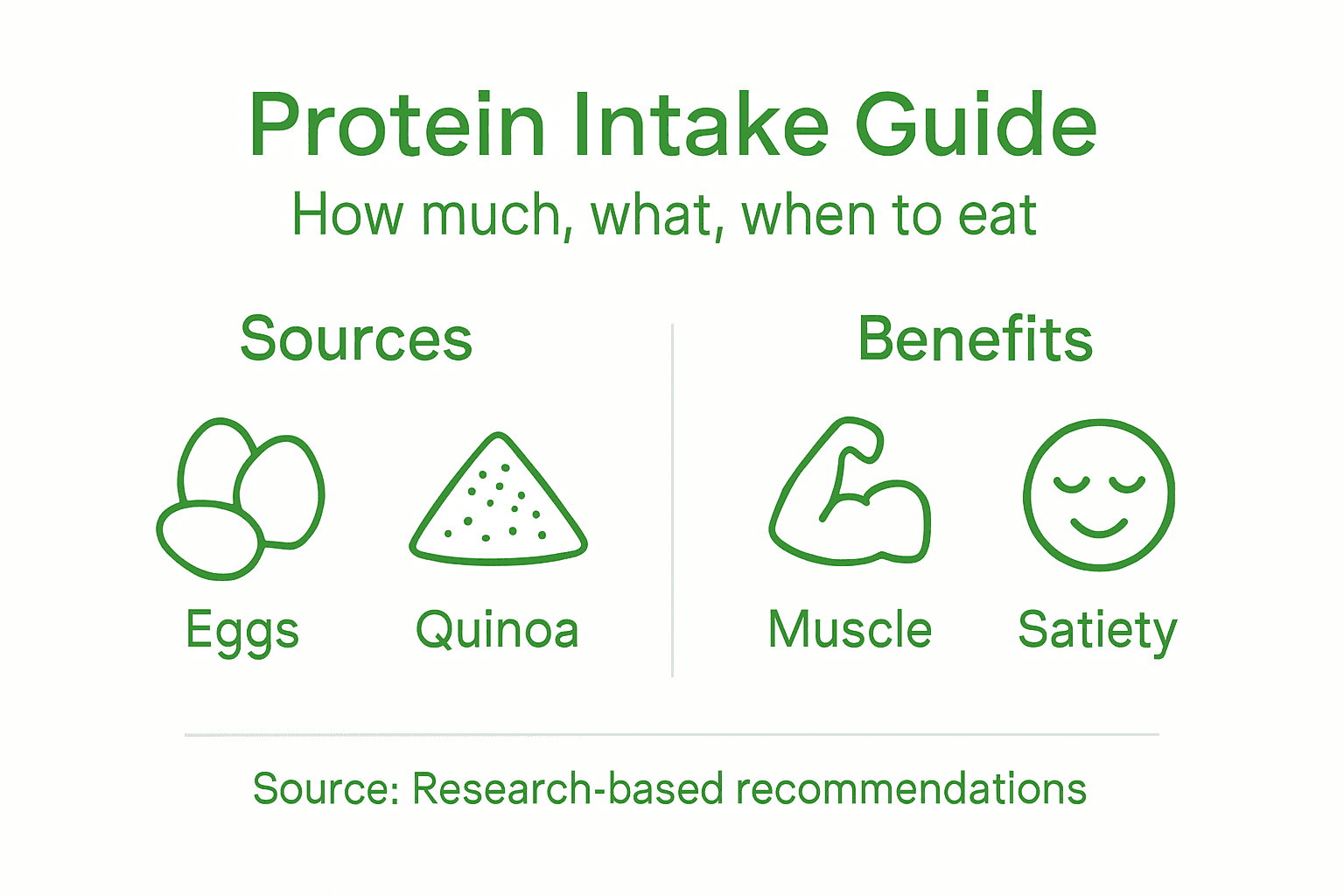
Pro tip: Calculate your precise protein needs by multiplying your body weight in kilograms by 0.8-2.2, depending on your activity level and fitness goals.
Risks, Myths, and Mistakes to Avoid
Protein consumption is complex, with numerous myths and potential pitfalls that can compromise your health and fitness goals. Protein consumption risks extend beyond simple dietary considerations, involving nuanced physiological interactions.
Common protein intake myths include:
- More protein always means more muscle
- Protein supplements are necessary for everyone
- All protein sources are equally beneficial
- Excessive protein has no negative consequences
- Protein intake doesn’t impact cardiovascular health
- Supplements can replace whole food protein sources
Protein intake misconceptions reveal that most Americans already consume adequate protein through their regular diet. Overconsumption can potentially burden kidney function, displace essential fiber-rich foods, and contribute to cardiovascular complications. Excessive amino acid intake may activate immune cells that contribute to arterial plaque buildup, increasing heart attack and stroke risks.
Balanced protein consumption requires understanding individual metabolic needs. Not everyone requires protein supplements, and blindly increasing protein intake can lead to unintended health consequences. The key is personalized nutrition that considers your specific activity level, health status, and overall dietary composition.
Pro tip: Consult a nutritionist to develop a personalized protein strategy tailored to your unique physiological requirements and fitness goals.
Take Control of Your Protein Goals with Personalized Nutrition
Understanding the science behind increasing protein intake can feel overwhelming when trying to balance muscle growth, recovery, and overall health. This article highlights the importance of calculating your precise protein needs and diversifying your protein sources to support your unique body requirements. If you struggle to determine how much protein you need or how to distribute it effectively throughout your day, you are not alone. Many face challenges like avoiding common myths or finding the right combination of complete proteins that align with their lifestyle.
That is where Dietium’s AI-powered tools and the Recipians app come in. Our platform helps you customize meal plans based on your individual metabolic demands, activity level, and fitness goals. With features like real-time nutrient tracking, body metric calculators, and expertly curated recipes, you will get clear and actionable guidance that takes the guesswork out of your protein strategy. Don’t miss the chance to optimize your wellness journey starting today. Explore how Dietium can transform your nutritional habits and bring science-backed strategies right to your fingertips.
Start your personalized protein plan now by visiting Dietium Recipians and take the first step toward smarter nutrition and lasting results.
Frequently Asked Questions
What does increasing protein intake mean?
Increasing protein intake refers to strategically consuming more protein tailored to your body’s metabolic needs, supporting muscle maintenance, recovery, and overall health rather than simply consuming more meat or supplements.
How much protein should I consume daily?
Most adults require between 0.8 and 1.6 grams of protein per kilogram of body weight per day, depending on age, activity level, and health goals. Athletes or those engaged in muscle building may need higher amounts.
What are complete proteins and why are they important?
Complete proteins contain all essential amino acids necessary for optimal body function. They are important for muscle recovery and overall health and can come from animal sources or specific plant combinations.
What are the risks of consuming too much protein?
Overconsumption of protein can lead to health issues, such as increased kidney strain, displacing essential nutrients from other food groups, and potential cardiovascular problems due to excessive amino acid intake.


