
Exercise for Beginners: Build Your First Workout Routine
Discover a practical step-by-step guide on exercise for beginners. Learn how to set goals, design a routine, and safely track your fitness progress.

Discover a practical step-by-step guide on exercise for beginners. Learn how to set goals, design a routine, and safely track your fitness progress.

Ever wondered why your morning cup of coffee sometimes leaves you drained instead of energized? While caffeine is famous for its wake-up boost, too much coffee can actually make you tired, fatigued, and irritable. Understanding how caffeine interacts with your body is key to avoiding the dreaded energy crash. From rebound fatigue to disrupted sleep cycles, even a moderate amount can backfire if consumed at the wrong time. Discover the science behind why caffeine doesn’t always wake you up, how overconsumption can sabotage your energy, and the simple strategies to enjoy coffee without feeling exhausted. Don’t let your favorite pick-me-up become your energy downfall!
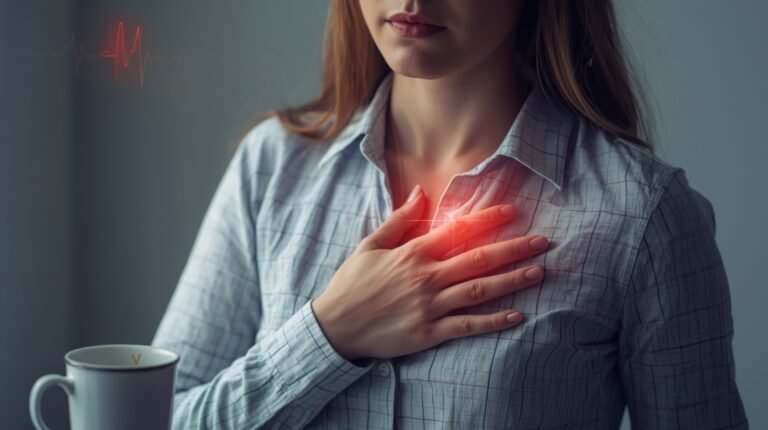
Many coffee lovers worry about heart health and whether their daily caffeine intake could be harmful. If you’ve ever experienced chest pain after drinking coffee or searched can caffeine cause chest pain, you’re not alone. Caffeine stimulates the heart and can temporarily raise blood pressure, sometimes triggering palpitations or discomfort in sensitive individuals. Experiencing caffeine chest pain or chest pain after coffee doesn’t always signal a serious problem, but understanding the connection is crucial. Knowing can drinking coffee cause chest pain helps you enjoy your favorite drink safely while protecting your heart and overall wellbeing. Learn how to identify warning signs and manage caffeine intake effectively.

Many coffee lovers experience unexpected side effects like dizziness and nausea after their morning cup. If you’ve ever wondered can caffeine cause dizziness or can coffee make you nauseous, you’re not alone. Coffee contains caffeine, a powerful stimulant that can increase heart rate, affect blood pressure, and trigger stomach upset, sometimes causing coffee nausea. Feeling dizzy and nauseous after drinking coffee can also indicate sensitivity to caffeine or an empty stomach. Understanding the connection between caffeine and these symptoms is key to enjoying your favorite drink safely. Learn how to prevent these uncomfortable reactions while still savoring your daily coffee ritual.

Coffee and weight loss are closely linked, but many wonder if drinking coffee makes you hungry or helps curb appetite. Studies show that caffeine can temporarily boost metabolism and suppress hunger, making it a powerful ally in your diet. However, adding sugar, cream, or flavored syrups can quickly sabotage results. Understanding the balance between drinking coffee and weight loss is key to maximizing benefits. Whether you’re curious about does coffee suppress appetite, drinking coffee and weight loss, or how diet and coffee work together, knowing the science behind your morning cup can help you burn fat efficiently while enjoying your favorite drink.

A caffeine skin rash can be alarming, especially when your daily coffee suddenly starts causing itching or redness. Many people search for coffee making me itchy or look up caffeine rash pictures to compare symptoms. Caffeine can trigger histamine release, increase blood flow, and worsen skin sensitivity, leading to rashes, hives, or itching. Understanding how caffeine affects your skin is the first step toward relief and prevention.

Coffee diarrhea is a surprisingly common issue that many people experience but rarely talk about. If you’ve ever wondered can drinking coffee cause diarrhea or does caffeine cause diarrhea, you’re not alone. Coffee can stimulate digestion, speed up bowel movements, and sometimes lead to loose stools—especially on an empty stomach. Understanding why coffee affects your gut can help you enjoy your daily cup without discomfort.

Discover batch cooking tips designed for busy parents. Follow clear steps to streamline meal prep, improve nutrition, and enjoy hassle-free family meals.

Instant coffee is quick and convenient, but many people still wonder about its caffeine strength. Does instant coffee have caffeine, and if so, how much are you really consuming per cup or tablespoon? Understanding instant coffee caffeine content can help you manage your daily intake and avoid overconsumption. From casual drinkers to caffeine-sensitive individuals, knowing the exact amount of caffeine in instant coffee is more important than ever.

Caffeine may seem harmless, but consuming too much can have serious and even fatal consequences. Many people unknowingly cross safe limits while drinking coffee, energy drinks, or taking caffeine supplements. Questions like how many cups of coffee can kill you or whether 600 mg or 700 mg of caffeine is too much are more important than ever. The lethal dose of caffeine depends on body weight, tolerance, and overall health, but excessive intake can trigger dangerous symptoms, including heart rhythm disturbances and overdose. Understanding how much caffeine can kill you helps you make safer choices and avoid the hidden risks of overconsumption.