 Skip to content

Urban life keeps you moving, but finding a clear path to sustainable fitness is harder than it seems. Many still believe that strength training is risky or only for a select few, yet research shows it helps people of all ages and backgrounds safely build muscle, improve bone health, and manage their weight. This guide breaks down the truth behind common myths and explains how progressive overload and smart methods can transform your body and mindset, no matter your starting point.
Table of Contents
- Strength Training Defined And Common Myths
- Types Of Strength Training Exercises Explained
- Physical And Mental Health Benefits Unpacked
- Risks, Limitations, And Common Mistakes
- Comparing Strength Training To Alternative Workouts
Key Takeaways
| Point | Details |
|---|---|
| Strength Training Benefits | Engages in various activities to build strength, offering enhanced metabolism, bone density, cardiovascular health, and mental well-being. |
| Myth Busting | Strength training is safe and beneficial for all ages and genders; it does not inherently cause injuries or stunt growth in youth. |
| Types of Strength Training | Different methods like maximal strength, hypertrophy, and endurance cater to specific goals, and can be adapted based on personal objectives. |
| Safe Practices | Proper form, gradual progression, and recognizing personal limits are essential to prevent injuries and maximize strength gains. |
Strength Training Defined and Common Myths
Strength training is any physical activity that uses resistance to build muscular strength and endurance. This resistance comes from weights, bands, bodyweight, or machines that force your muscles to work against opposing force.
It’s not just about lifting heavy at the gym. Strength training includes pushups, resistance bands, functional movements, and everyday activities that challenge your muscles beyond their normal capacity.
What Strength Training Actually Is
Strength training creates tiny micro-tears in muscle fibers. Your body repairs these tears, making muscles stronger and larger over time. This process, called muscle adaptation, is how you progress physically.
The key principle: progressive overload. Your muscles adapt quickly, so you must gradually increase resistance, reps, or intensity to keep seeing results.
Strength training benefits extend far beyond aesthetics:
- Increases metabolic rate (more muscle burns more calories at rest)
- Improves bone density and reduces fracture risk
- Enhances cardiovascular health and blood glucose regulation
- Boosts mental health through endorphin release and confidence building
- Strengthens joints and connective tissue when done properly
Debunking the Major Myths
Myth 1: Strength training stunts growth in young people.
This is false. Evidence shows strength training is safe for youth when performed with proper form and guidance. In fact, young people gain improved bone health and muscular development from structured training.
Myth 2: Strength training is only for young people or men.
Wrong again. Strength training benefits people of all ages and genders, including older adults who use it to maintain muscle mass, improve bone density, and manage arthritis pain.
Myth 3: You’ll get bulky if you do strength training.
Building visible muscle requires specific nutrition, progressive overload, and consistent effort over months. Most people simply won’t gain unwanted bulk from regular strength training.
Myth 4: Strength training is dangerous.
Injuries occur from poor form, overtraining, or improper progression, not from strength training itself. Proper technique and gradual progression make it one of the safest forms of exercise.
Myth 5: You need a gym to strength train.
You can build strength anywhere using bodyweight, household items, or affordable resistance bands. How muscle grows through resistance training applies regardless of where you train.
Strength training is for everyone, regardless of age, gender, or current fitness level. Done correctly, it’s one of the safest investments in your long-term health.
Pro tip: Start with bodyweight exercises to master proper form before adding external resistance. Perfect form prevents injury and ensures you’re actually working the intended muscles effectively.
Types of Strength Training Exercises Explained
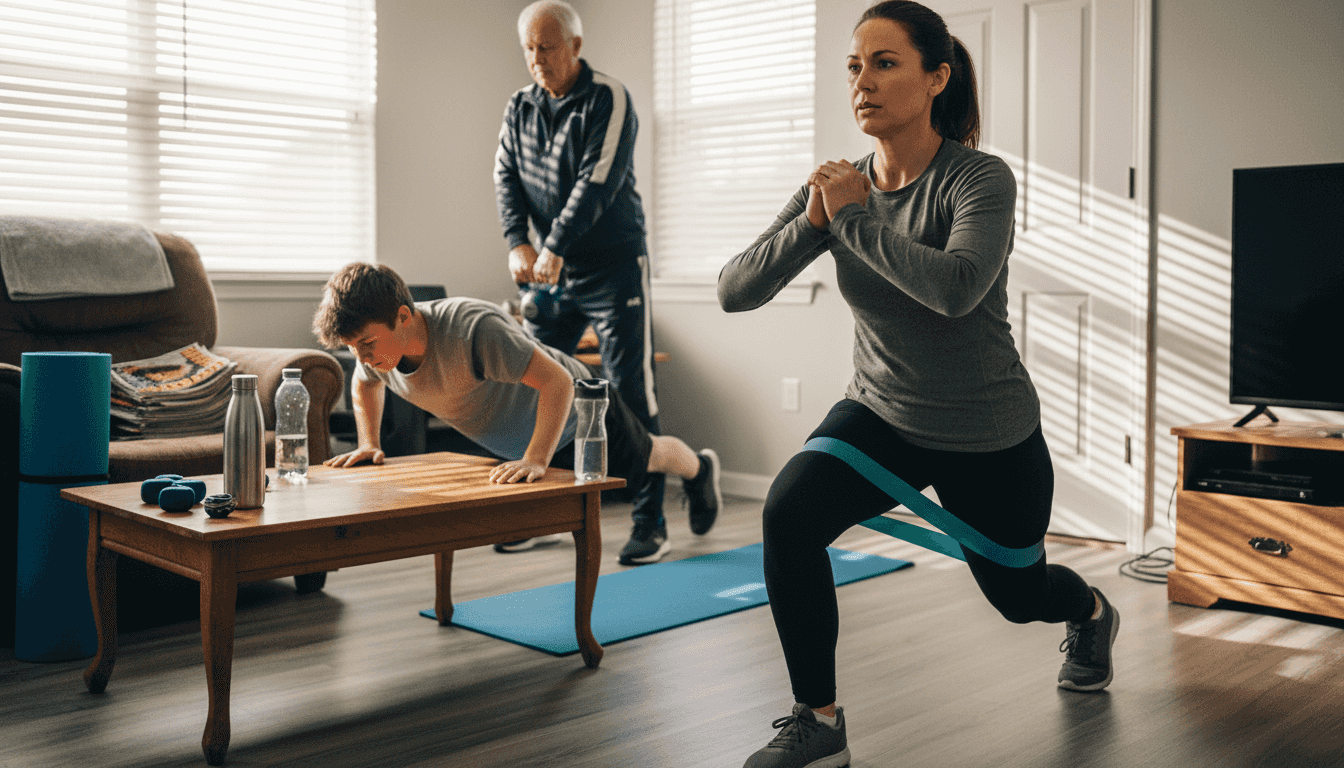
Not all strength training looks the same. Different methods target different outcomes, from raw power to muscle endurance. Your goals determine which types work best for you.
Main Categories of Strength Training
Strength training encompasses diverse methods designed for specific outcomes. Here are the primary categories:
Here’s a comparison of the main categories of strength training methods and their primary outcomes:
| Method | Goal | Typical Load & Reps |
|---|---|---|
| Maximal Strength | Increase overall power | Heavy load, low reps |
| Hypertrophy | Maximize muscle size | Moderate weight, medium reps |
| Muscular Endurance | Prolong muscle worktime | Lighter weight, high reps |
| Power/Explosive | Boost speed/force | Moderate load, fast reps |
| Functional Strength | Improve daily function | Bodyweight, full range |
| Isometric | Build static strength | Hold positions, no reps |
| Circuit | Cardio and endurance | Rotating sets, minimal rest |
- Maximal strength training builds raw power through heavy resistance and low reps
- Hypertrophy training focuses on muscle size through moderate weight and higher rep ranges
- Muscular endurance training improves how long muscles work through lighter weight and high reps
- Power or explosive training develops speed and force through plyometrics and quick movements
- Functional strength training mimics real-world movement patterns for practical strength
- Isometric training builds strength by holding positions without movement
- Circuit training alternates exercises with minimal rest for cardiovascular and strength benefits
Equipment Types
You have flexibility in how you train. The equipment you choose depends on access, budget, and preference.
Free weights (dumbbells, barbells, kettlebells) allow natural movement patterns and engage stabilizer muscles. They’re effective but require proper form knowledge.
Machines guide movement along fixed paths, making them safer for beginners but limiting natural motion. Resistance bands offer portable, affordable options that work everywhere from home to travel.
Bodyweight exercises need no equipment at all. Pushups, pullups, and lunges build serious strength using only gravity.
Here’s a quick reference to help choose strength training equipment based on user needs:
| Equipment Type | Best For | Key Benefit | Limitation |
|---|---|---|---|
| Free Weights | All experience levels | Natural movement | Requires form knowledge |
| Machines | Beginners | Safer, guided motion | Limits movement variety |
| Resistance Bands | Home/travel workouts | Affordable, portable | Limited max resistance |
| Bodyweight | No equipment access | Highly accessible | Progression can be harder |
Choose equipment that matches your current strength level and available resources. The best equipment is whatever you’ll actually use consistently.
Finding Your Method
Your specific goals matter. Building muscle size requires different training than building pure strength or endurance.
Beginners often benefit from learning movement patterns before adding heavy weight. Functional strength routines teach your body proper mechanics while building real-world capability.
Intermediate and advanced lifters can specialize, using maximal strength training to peak, hypertrophy work to build size, or power training to develop explosiveness.
The good news: you don’t need to choose just one method forever. Rotate between them based on current goals and what your body needs.
Pro tip: Master bodyweight movements like squats, pushups, and planks before adding external weight. This foundation prevents injury and ensures your body understands proper positions.
Physical and Mental Health Benefits Unpacked
Strength training does more than build muscle. The benefits ripple through your entire body and mind, transforming how you feel day to day.
Physical Health Transformations
Twice-weekly strength workouts reduce premature death risk from cardiovascular disease, cancer, and other conditions. Just 30-60 minutes weekly can extend your life and improve quality of living.
Here’s what happens inside your body:
- Cardiovascular health improves through reduced blood pressure and better circulation
- Bone density strengthens, preventing fractures and osteoporosis as you age
- Metabolism accelerates, helping you burn more calories even at rest
- Blood glucose control improves, reducing diabetes risk
- Fat oxidation increases, making weight management easier
These changes compound over time. A person who strength trains consistently at 50 has better physical function than sedentary peers at 40.
Mental Health Impact
The psychological shift might surprise you. Strength training reduces anxiety and depression symptoms while enhancing cognitive function across all ages.
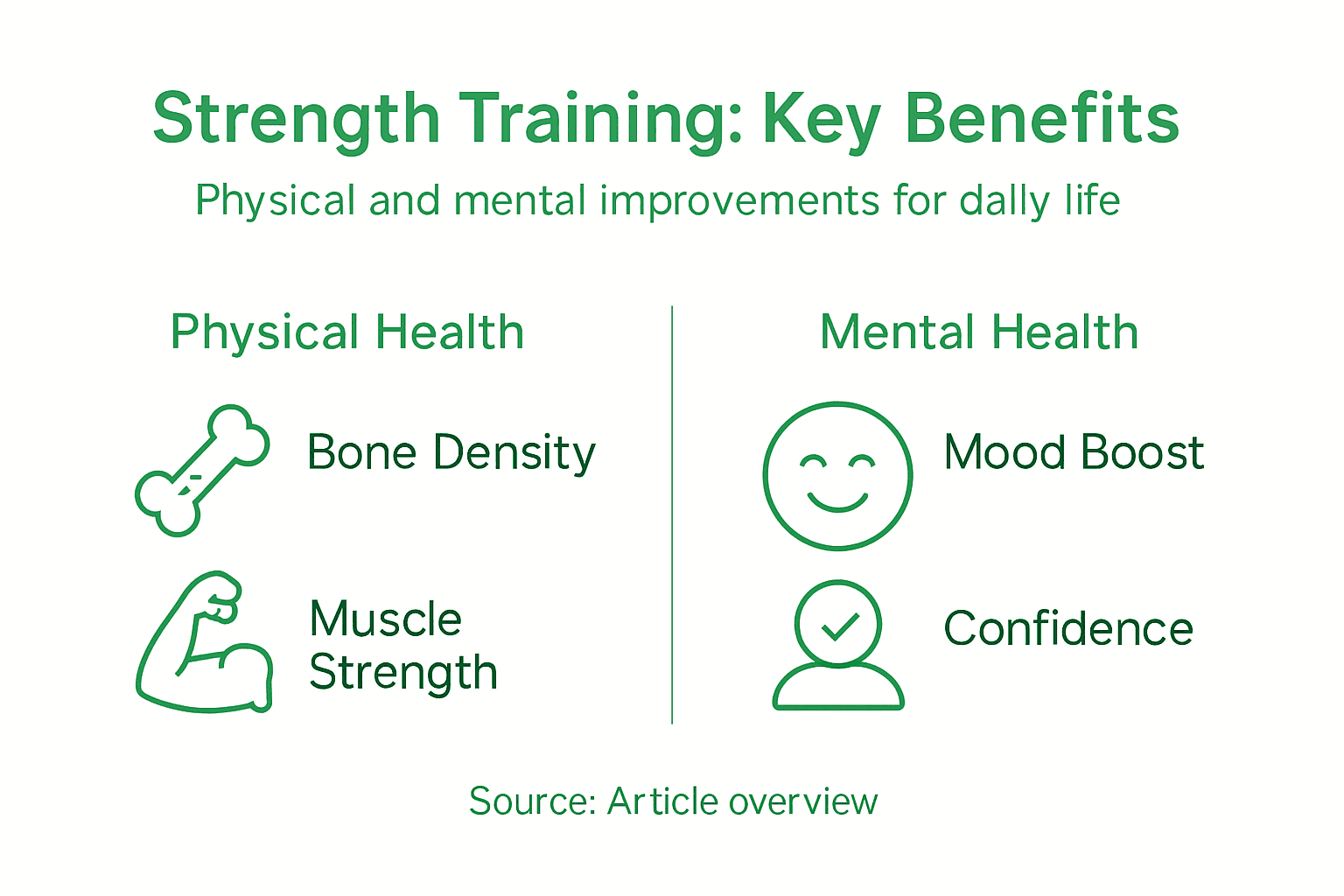
Why? When you lift weights, your brain releases endorphins and builds confidence. You see visible progress in strength and appearance, boosting self-esteem naturally.
Mental benefits include:
- Decreased anxiety and depression symptoms
- Improved self-confidence and self-worth
- Better stress management and emotional resilience
- Enhanced focus and mental clarity
- Stronger sense of accomplishment
Strength training is one of the few activities that improves both body and mind simultaneously. You’re not just building muscle; you’re building a better version of yourself.
Real-World Functioning
You’ll notice practical improvements fast. Carrying groceries becomes easier. Playing with kids feels less tiring. Climbing stairs no longer winds you.
These daily activities reveal strength training’s true value. It’s not vanity. It’s independence and capability at every life stage.
Combining strength training with whole food nutrition multiplies these benefits. Your body needs quality fuel to recover and build.
Pro tip: Start tracking one metric you care about, whether it’s how many pushups you can do, mood improvement, or energy levels. Visible progress fuels motivation and reveals benefits you might otherwise miss.
Risks, Limitations, and Common Mistakes
Strength training is safe when done right, but mistakes happen. Understanding what goes wrong helps you stay injury-free and keep progressing.
Real Injury Risks
Improper execution or excessive load can cause injuries that sideline your progress. The good news: proper technique and structured programming virtually eliminate this risk.
Common injuries come from:
- Poor form when lifting heavy weight too fast
- Overtraining without adequate recovery time
- Neglecting weak points in stabilizer muscles
- Sudden increases in weight or volume
- Ignoring pain signals from your body
Injuries aren’t inevitable. They’re preventable with attention to technique and listening to your body.
Mistakes That Kill Your Progress
You can avoid the pitfalls most people hit. Common strength training mistakes include prioritizing ego over form, skipping recovery, and training without structure.
Here’s what derails most people:
- Chasing heavy weight instead of mastering movement patterns
- Skimping on sleep and recovery, when muscles actually grow at rest
- No progressive overload plan, doing the same weight forever
- Training too frequently without deload weeks
- Ignoring form breakdown as fatigue sets in
Individual Variation Matters
Not everyone responds identically to strength training. Age, genetics, injury history, and lifestyle all influence your results.
Your body might need more recovery than a friend’s. Your joints might have limitations requiring modified exercises. Working with your body, not against it, is the real secret.
Avoiding common weight loss mistakes while training ensures nutrition supports your strength gains rather than sabotaging them.
Most “injuries” from strength training come from ego, not the activity itself. Listen to your body and prioritize form over impressive numbers.
Setting Realistic Expectations
Strength gains take time. Expecting dramatic changes in weeks sets you up for disappointment and risky shortcuts.
Realistic progress looks like this: slight strength increases weekly, visible muscle changes monthly, significant transformation yearly. Patience compounds into serious results.
Pro tip: Record videos of your lifts from the side angle every two weeks. Form breakdown happens gradually, and video catches it before injury does.
Comparing Strength Training to Alternative Workouts
Strength training stands out, but how does it actually compare to other workout styles? The answer might surprise you.
Strength Training vs. Cardio
Cardio burns calories fast. Strength training builds muscle that burns calories continuously. For weight management and metabolic health, strength training wins long-term.
Cardio benefits include:
- Immediate calorie burn during exercise
- Quick cardiovascular improvements
- Lower injury risk for beginners
- Accessible without equipment
Strength training benefits include:
- Metabolic boost lasting hours post-workout
- Muscle retention during weight loss
- Bone density protection as you age
- Greater body composition changes over time
The ideal approach combines both. Cardio for cardiovascular health, strength training for lasting transformation.
Free Weights vs. Machines
Debating equipment is common. Free weights versus machine-based training show no significant difference in muscle growth, though each has distinct advantages.
Free weights offer:
- Greater range of motion
- Engagement of stabilizer muscles
- Portability and affordability
- Natural movement patterns
Machines provide:
- Guided, safer paths for beginners
- Less technique required initially
- Easier progression tracking
- Joint-friendly options
Your best choice depends on access, comfort, and goals. Both build strength effectively.
Different Training Methods
Velocity-based and traditional resistance training methods show equal effectiveness for strength and power development. What matters most is consistency.
Popular alternatives to traditional strength training include HIIT, yoga, Pilates, and functional fitness. Each has merits but none replaces strength training’s unique benefits.
Effective home workouts can deliver serious strength results without gym access. The setting matters less than programming and effort.
Why Strength Training Wins for Most Goals
Strength training uniquely addresses multiple health markers simultaneously. It improves body composition, bone density, metabolic rate, mental health, and functional ability better than isolated alternatives.
Other workouts excel at specific things. Strength training excels at everything.
The best workout is the one you’ll actually do consistently. But if you want comprehensive health transformation, strength training delivers the broadest benefits.
Pro tip: Combine strength training two to three times weekly with your preferred cardio or alternative workouts. This hybrid approach maximizes both muscle and cardiovascular benefits without overtraining.
Unlock the Full Potential of Strength Training with Personalized Support
The article highlights the powerful impact of strength training on your physical and mental health while addressing common challenges like mastering proper form, progressive overload, and maintaining motivation. Many people struggle to build a consistent routine that fits their individual needs and goals. Don’t settle for generic advice that overlooks your unique body metrics and lifestyle demands. Strength training is a journey of steady progress and personalized adjustments.
At Dietium.com, we make this journey easier and more effective by combining cutting-edge AI-powered tools with expert guidance. Through our Recipians app, you receive customized meal plans and fitness routines designed specifically for your strength training goals. Track your progress with useful calculators for BMI, body fat, and calories to understand your body’s needs clearly. Plus, access educational content that helps you avoid common mistakes and stay safe while building strength.
Take full control of your health transformation today. Visit Dietium Recipians to start your personalized strength training and nutrition plan. Every workout and meal can be tailored to maximize your results and keep you motivated. Empower yourself with smarter tools and reliable support now.
Frequently Asked Questions
What is strength training and how does it work?
Strength training is any physical activity that uses resistance, such as weights or bodyweight, to build muscular strength and endurance. It creates micro-tears in muscle fibers, which are then repaired by the body, making muscles stronger and larger over time through a process called muscle adaptation.
Can strength training benefit people of all ages?
Yes, strength training is beneficial for individuals of all ages, including older adults. It helps maintain muscle mass, improve bone density, and manage conditions like arthritis.
Does strength training cause people to become bulky?
No, not necessarily. Building visible bulk requires specific nutrition and a tailored training regimen. Most people will not gain unwanted bulk from regular strength training.
What are the primary benefits of strength training beyond aesthetics?
Strength training increases metabolic rate, improves bone density, enhances cardiovascular health, boosts mental health, and strengthens joints and connective tissue, contributing to overall better health and quality of life.


