 Skip to content

Over half of American adults say they want to build healthier routines, yet most struggle to turn good intentions into lasting habits. Real change does not come from quick fixes. It begins with honest self-reflection and practical steps tailored to your own lifestyle. This guide walks you through proven strategies, helping you design daily routines, track progress, and make meaningful progress toward your personal wellness goals.
Table of Contents
- Step 1: Assess Your Current Lifestyle and Goals
- Step 2: Select Achievable Habits Aligned With Your Needs
- Step 3: Design Personalized Daily Routines for Success
- Step 4: Integrate Tracking Tools for Consistency
- Step 5: Review Progress and Adjust Your Habits
Quick Overview
| Insight | Explanation |
|---|---|
| 1. Conduct a Personal Audit | Assess current habits in nutrition, exercise, sleep, and mental health to understand your starting point for improvement. |
| 2. Choose Habits That Resonate | Select habits aligned with your personal values and strengths to enhance sustainability and motivation. |
| 3. Create a Flexible Daily Routine | Design a routine that incorporates new habits in a way that fits your lifestyle and energy levels. |
| 4. Utilize Tracking Tools | Implement tracking methods that provide meaningful insights and keep you motivated in your wellness journey. |
| 5. Regularly Review and Adjust | Evaluate progress routinely to refine habits, maintaining flexibility for modifications and growth. |
Step 1: Assess Your Current Lifestyle and Goals
Successfully building healthy habits starts with honest self-reflection and a clear understanding of where you currently stand. Exploring a digital conversational tool can help you systematically evaluate your current lifestyle and set personalized health objectives.
Begin by conducting a comprehensive personal audit that covers multiple aspects of your wellness. Track your current habits across key areas like nutrition, physical activity, sleep patterns, stress management, and mental health. Use a journal or digital tracker to record your typical daily routine, noting specific behaviors that might need adjustment. The Transtheoretical Model provides an excellent framework for understanding your readiness to change and identifying which stages of behavior modification you are currently experiencing.
One practical tip is to be brutally honest with yourself during this assessment. Avoid judgment and focus on objective observation. Recognize that everyone starts their wellness journey from a different place, and understanding your baseline is the first critical step toward meaningful transformation. Your next phase will involve setting specific, achievable goals based on the insights you’ve gathered during this initial lifestyle assessment.
By meticulously examining your current lifestyle, you create a personalized roadmap for sustainable health improvements that align with your unique needs and aspirations.
Step 2: Select Achievable Habits Aligned With Your Needs
Choosing the right habits is about understanding yourself and creating a personalized wellness strategy that feels natural and sustainable. Research demonstrates that daily activities should align with individual personality traits to enhance your overall subjective well-being and increase the likelihood of long-term success.

Start by identifying habits that genuinely resonate with your personal values and lifestyle. Strategies for selecting meaningful and attainable goals suggest focusing on specific, measurable actions that feel intrinsically motivating. Consider your current strengths, preferences, and realistic time commitments. For instance, if you enjoy outdoor activities, a habit of daily walking might be more sustainable than a rigorous gym routine. Similarly, if you struggle with meal preparation, start with simple nutrition modifications like adding one extra vegetable to your daily diet rather than attempting a complete dietary overhaul.
One critical tip is to start small and build gradually. Select 2-3 initial habits that feel manageable and interconnected. Track your progress, celebrate minor victories, and adjust your approach as you learn more about what works for your unique lifestyle. Your next step will involve creating a structured plan to integrate these carefully chosen habits into your daily routine, transforming intentional choices into consistent, natural behaviors.
By selecting habits that authentically match your personality and goals, you create a personalized roadmap for sustainable personal growth and wellness.
Step 3: Design Personalized Daily Routines for Success
Creating a navigational approach to your daily health routine involves transforming abstract goals into concrete, actionable steps that seamlessly integrate into your lifestyle. Your personalized routine should serve as a flexible framework that supports your wellness objectives while remaining adaptable to your unique circumstances and evolving needs.
Begin by mapping out your typical day and identifying strategic moments where you can naturally incorporate new habits. Practical steps for building sustainable behaviors recommend focusing on environment design and incremental changes. Consider your natural energy rhythms, existing commitments, and potential obstacles. For example, if mornings are challenging, prepare your workout clothes the night before or schedule a quick meditation during your lunch break. Prioritize consistency over intensity preparation of your physical and mental environment can significantly increase your likelihood of success.
One crucial strategy is to create visual and physical triggers that remind you of your desired habits. Place a water bottle on your desk to encourage hydration, set out a yoga mat to prompt morning stretching, or use smartphone reminders for key activities. Track your progress using a simple journal or app, allowing flexibility for adjustments while maintaining accountability. Your next step involves refining and optimizing these routines as you gain insights into what truly works for your individual lifestyle.
By designing a personalized routine that respects your unique rhythms and challenges, you transform abstract wellness goals into achievable, sustainable daily practices.
Step 4: Integrate Tracking Tools for Consistency
Exploring gamification techniques in health habit formation reveals that tracking tools can transform your wellness journey from a mundane task into an engaging and motivational experience. By selecting the right tracking methods, you create a personalized system that not only monitors progress but also keeps you inspired and accountable.
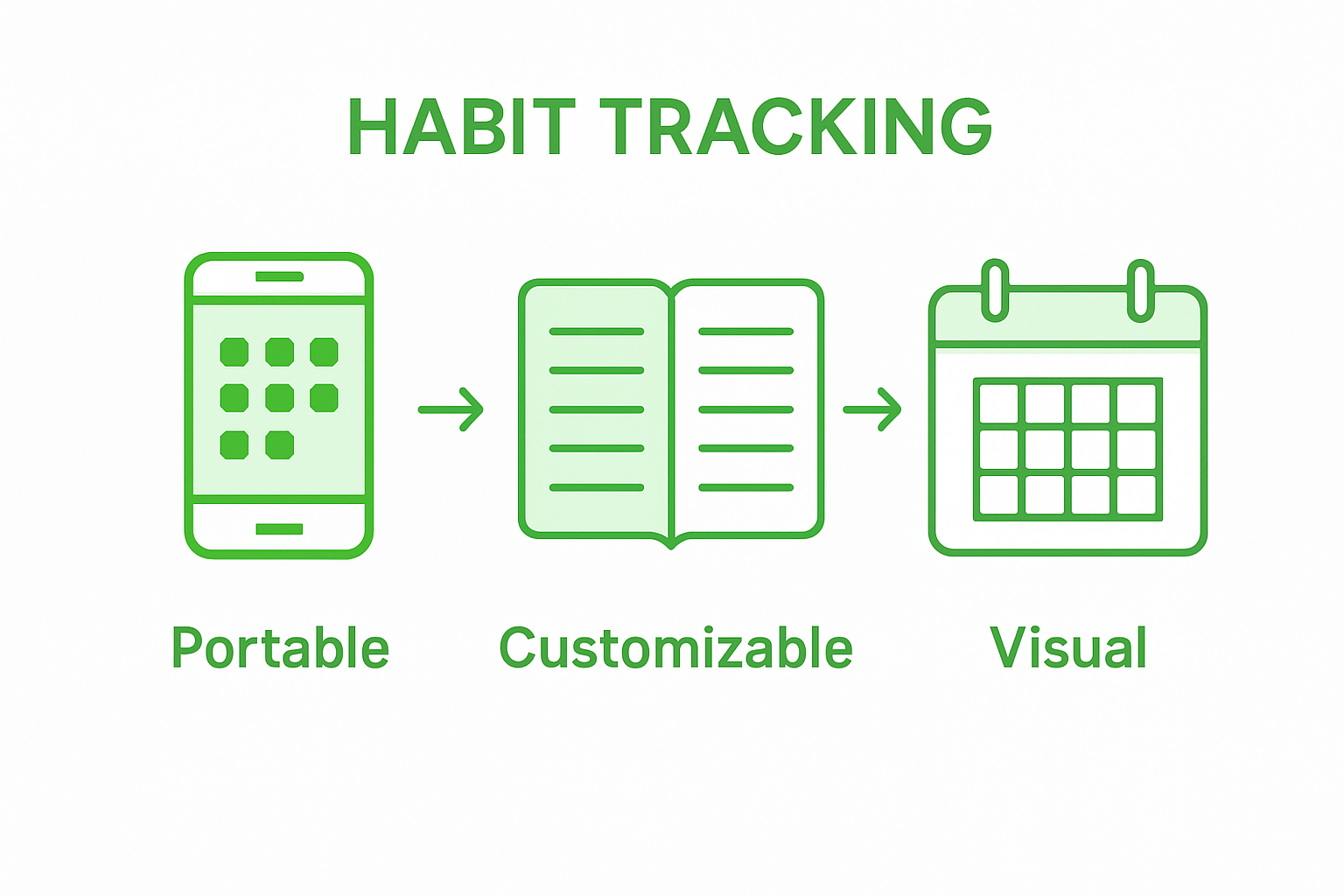
Continuous measurement approaches demonstrate that effective tracking goes beyond simple data collection. Choose tools that provide meaningful insights and align with your specific goals. Consider smartphone apps, fitness wearables, digital journals, or spreadsheet trackers that allow you to log various health metrics like nutrition intake, exercise duration, sleep quality, and mood. Look for platforms that offer visual representations of your progress such as graphs, streaks, and achievement badges which can provide psychological reinforcement and motivation.
One critical strategy is to select tracking tools with built in flexibility. Your chosen system should adapt to your lifestyle, not constrain it. Start with 2-3 key metrics that matter most to your wellness goals and gradually expand your tracking as you build consistency. Set realistic check in frequencies whether daily, weekly, or monthly and create reminders that prompt you to update your progress. Remember that tracking is a supportive tool designed to provide clarity and motivation, not an additional source of stress.
By integrating thoughtful tracking tools that transform data into personal insights, you create a powerful mechanism for sustainable health improvement.
Step 5: Review Progress and Adjust Your Habits
Understanding the relationship between personal habits and performance improvement requires a strategic and compassionate approach to self development. Reviewing your progress is not about criticizing yourself but creating an honest dialogue with your current behaviors and identifying opportunities for meaningful growth.
Guidance on tracking habit sustainability suggests implementing a regular review process that goes beyond simple data collection. Schedule monthly or quarterly check ins where you thoroughly analyze your tracking data, looking for patterns, successes, and areas needing adjustment. Assess not just the quantitative metrics like workout frequency or nutrition compliance, but also qualitative factors such as energy levels, mood, and overall sense of wellbeing. Ask yourself reflective questions: Are these habits genuinely improving my quality of life? Do they feel sustainable and aligned with my original goals?
One critical strategy is to approach habit adjustment with flexibility and self compassion. If certain habits are not working, resist the urge to view this as failure. Instead, see it as valuable information that helps you refine your approach. Consider modifying the habit intensity, frequency, or method rather than abandoning it completely. Small tweaks can often make a significant difference in long term adherence and success.
By transforming progress review from a judgmental exercise into a curious and supportive exploration, you create a dynamic system of continuous personal growth and improvement.
Unlock Your Path to Lasting Healthy Habits with Personalized Support
Building healthy habits naturally requires honest self-reflection and personalized routines designed around your unique lifestyle. If you find it challenging to identify achievable habits that truly resonate with your goals or to track your progress consistently, you are not alone. This article highlights critical steps such as lifestyle assessment, selecting habits aligned with your needs, designing daily routines, and integrating tracking tools. These concepts are essential for turning intentions into sustainable results without feeling overwhelmed.
At Dietium.com, we understand these challenges and offer powerful solutions to help you overcome them with confidence. Through our Recipians app, you gain access to custom meal plans, fitness routines, and AI-powered calculators that track your BMI, body fat, and calorie requirements. This creates a seamless experience in designing and monitoring habits tailored specifically for you. Start transforming your wellness journey today by exploring our platform. Discover practical tools and expert guidance that make it easier to assess, plan, and sustain your healthy lifestyle.
Ready to take the next step toward your best self? Visit Dietium.com now to access personalized nutrition and fitness solutions designed to match your goals. Empower yourself with data-driven insights and simple habit integration to achieve lasting health improvements.
Frequently Asked Questions
How do I assess my current lifestyle for building healthy habits?
To assess your current lifestyle, conduct a personal audit by tracking your habits in areas like nutrition, exercise, sleep, and stress management. Use a journal or digital tracker to note your typical daily routines. Aim to review this assessment honestly to identify areas for improvement in the next 30 days.
What are some achievable habits I can start with?
Begin by selecting 2–3 small habits that align with your values and lifestyle. For example, if you enjoy being outdoors, consider committing to a daily 10-minute walk instead of a full gym session. Starting small increases the likelihood of maintaining these habits long-term.
How can I design a daily routine that supports my healthy habits?
Map out your typical day and identify key times where you can incorporate your new habits. Create visual reminders, such as placing a water bottle on your desk, to help keep these habits front of mind. Aim to integrate these habits into your routine over the next few weeks for optimal results.
What tools can I use to track my progress effectively?
Select tracking methods that suit your needs, such as apps, journals, or spreadsheets, to monitor key metrics like exercise frequency and nutrition intake. Make sure to choose tools that provide clear visual feedback, such as graphs, to keep you motivated. Start tracking 2–3 key metrics daily to build consistency in your habits.
How often should I review my habit progress?
Schedule regular reviews of your progress, ideally monthly or quarterly, to analyze both quantitative and qualitative data about your habits. Reflect on how these habits impact your overall well-being and make adjustments as necessary. Regularly reviewing your habits ensures you stay aligned with your wellness goals.
What should I do if a habit isn’t working for me?
If a habit is not working out, approach the situation with flexibility and self-compassion. Instead of giving up on the habit completely, try adjusting its intensity or frequency. Small modifications can often lead to significant improvements in your long-term adherence and success.
Recommended
- Complete Guide to Building Healthy Habits – Dietium
- How to Create a Healthy Lifestyle That Works for You – Dietium
- Lifestyle Changes for Health: Complete Guide – Dietium
- Top Tips for Sustainable Weight Loss: A Complete Guide – Dietium
- Understanding Eco Friendly Routines for Modern Families – The Zoofamily
- Master Your Natural Hair Routine for Optimal Growth | MyHair


