 Skip to content

More than half of children globally under five years old experience micronutrient deficiencies, revealing a challenge that affects far more than just developing regions. Many american families assume their diets prevent these gaps, yet even minor vitamin and mineral shortfalls can impact long-term health. Understanding what drives these common deficiencies and learning to spot misconceptions can empower better nutrition choices for both individuals and entire communities.
Table of Contents
- Defining Micronutrient Deficiency And Common Misconceptions
- Major Types Of Micronutrient Deficiencies
- How Micronutrient Deficiencies Affect Health
- Risk Factors And Who Is Most Vulnerable
- Diagnosis, Prevention, And Effective Solutions
Key Takeaways
| Point | Details |
|---|---|
| Micronutrient Deficiencies Are Widespread | Micronutrient deficiencies affect a significant portion of the global population, including children and women, leading to serious health issues. |
| Common Misconceptions | Many believe a varied diet automatically prevents deficiencies, underestimating subtle health impacts and the necessity of supplementation. |
| High-Risk Groups | Vulnerable populations such as children under 5, pregnant women, and those in low-income communities are at higher risk for micronutrient deficiencies. |
| Comprehensive Solutions Needed | Addressing micronutrient deficiencies requires a multi-faceted approach, including dietary changes, supplementation, and public health initiatives. |
Defining Micronutrient Deficiency And Common Misconceptions
Micronutrient deficiency represents a critical nutritional challenge where the human body lacks essential vitamins and minerals necessary for optimal functioning. According to PAHO, these micronutrients are required in small quantities but play pivotal roles in numerous bodily processes, with deficiencies potentially causing serious health complications.
Micronutrient deficiencies are far more prevalent than most people realize. CDC research reveals that these nutritional gaps affect at least half of children worldwide under 5 years old, challenging the common misconception that micronutrient deficiencies exclusively impact developing countries. In reality, these nutritional challenges are a global concern affecting diverse populations across economic and geographic boundaries.
Common misconceptions about micronutrient deficiencies include:
- Believing that a varied diet automatically prevents deficiencies
- Assuming only extreme malnutrition leads to micronutrient issues
- Thinking supplementation is unnecessary for healthy individuals
- Underestimating the long-term health implications of minor nutritional gaps
These deficiencies can manifest through subtle symptoms that often go unrecognized, such as reduced immune function, impaired cognitive development, and increased susceptibility to chronic diseases. By understanding the nuanced nature of micronutrient deficiencies, individuals can take proactive steps toward comprehensive nutritional health. For a deeper exploration of micronutrient fundamentals, check out our guide to micronutrients for optimal health.
Major Types Of Micronutrient Deficiencies
Global nutritional research has identified several critical micronutrient deficiencies that significantly impact human health. According to PubMed, the most widespread micronutrient deficiencies globally include iron, iodine, folate, vitamin A, and zinc – each presenting unique challenges to physiological functioning and overall well-being.
FAO research highlights three primary micronutrient deficiencies that demand particular attention: vitamin A deficiency, iron deficiency anemia, and iodine deficiency disorders. These nutritional gaps can lead to severe health complications ranging from vision problems to compromised immune function and developmental challenges.
Let’s explore the major micronutrient deficiencies in more detail:
- Iron Deficiency: Causes anemia, reduces oxygen transport, impairs cognitive function
- Vitamin A Deficiency: Impacts vision, immune response, and cellular growth
- Iodine Deficiency: Disrupts thyroid function, affects metabolism and brain development
- Zinc Deficiency: Weakens immune system, impairs wound healing, stunts growth
- Folate Deficiency: Increases risk of birth defects, impacts cellular reproduction
Understanding these deficiencies is crucial for proactive health management.
 Individuals can mitigate risks through balanced nutrition, targeted supplementation, and regular health monitoring. For a comprehensive understanding of micronutrient roles, explore our guide to understanding micronutrients for health.
How Micronutrient Deficiencies Affect Health
Micronutrient deficiencies can have profound and far-reaching impacts on human health, extending beyond simple nutritional concerns. CDC research reveals that these deficiencies can lead to devastating consequences, including impaired cognitive function, reduced physical capacity, and increased susceptibility to infections. The widespread nature of these nutritional gaps means that millions of people worldwide are potentially at risk of significant health complications.
The health implications of micronutrient deficiencies are complex and multifaceted.
Allied Academies highlights how specific deficiencies can trigger serious health conditions. For instance, vitamin D deficiency is strongly associated with osteoporosis, while iron deficiency can result in debilitating anemia, particularly impacting vulnerable populations like children and pregnant women.
Key health impacts of micronutrient deficiencies include:
- Cognitive Function: Reduced mental performance and developmental delays
- Immune System: Weakened defense mechanisms, increased infection risks
- Physical Growth: Stunted development, reduced muscle strength
- Metabolic Processes: Disrupted hormone regulation and energy metabolism
- Reproductive Health: Increased risks of pregnancy complications
Understanding these potential health risks underscores the importance of maintaining balanced nutrition. For athletes and active individuals seeking deeper insights into micronutrient management, our guide to micronutrients for athletes offers comprehensive strategies for optimal health and performance.
Risk Factors And Who Is Most Vulnerable
Micronutrient deficiencies do not impact populations uniformly, with certain groups facing significantly higher risks. NCBI research reveals that vulnerable populations are disproportionately affected, particularly women of childbearing age, pregnant women, lactating mothers, and children under 5 years of age. These groups face heightened nutritional challenges due to unique physiological demands and limited dietary resources.
PubMed confirms that pregnant women and young children represent the highest risk demographic for widespread global micronutrient deficiencies. The increased nutritional requirements during pregnancy and critical developmental stages make these populations especially susceptible to potential health complications arising from inadequate nutrient intake.
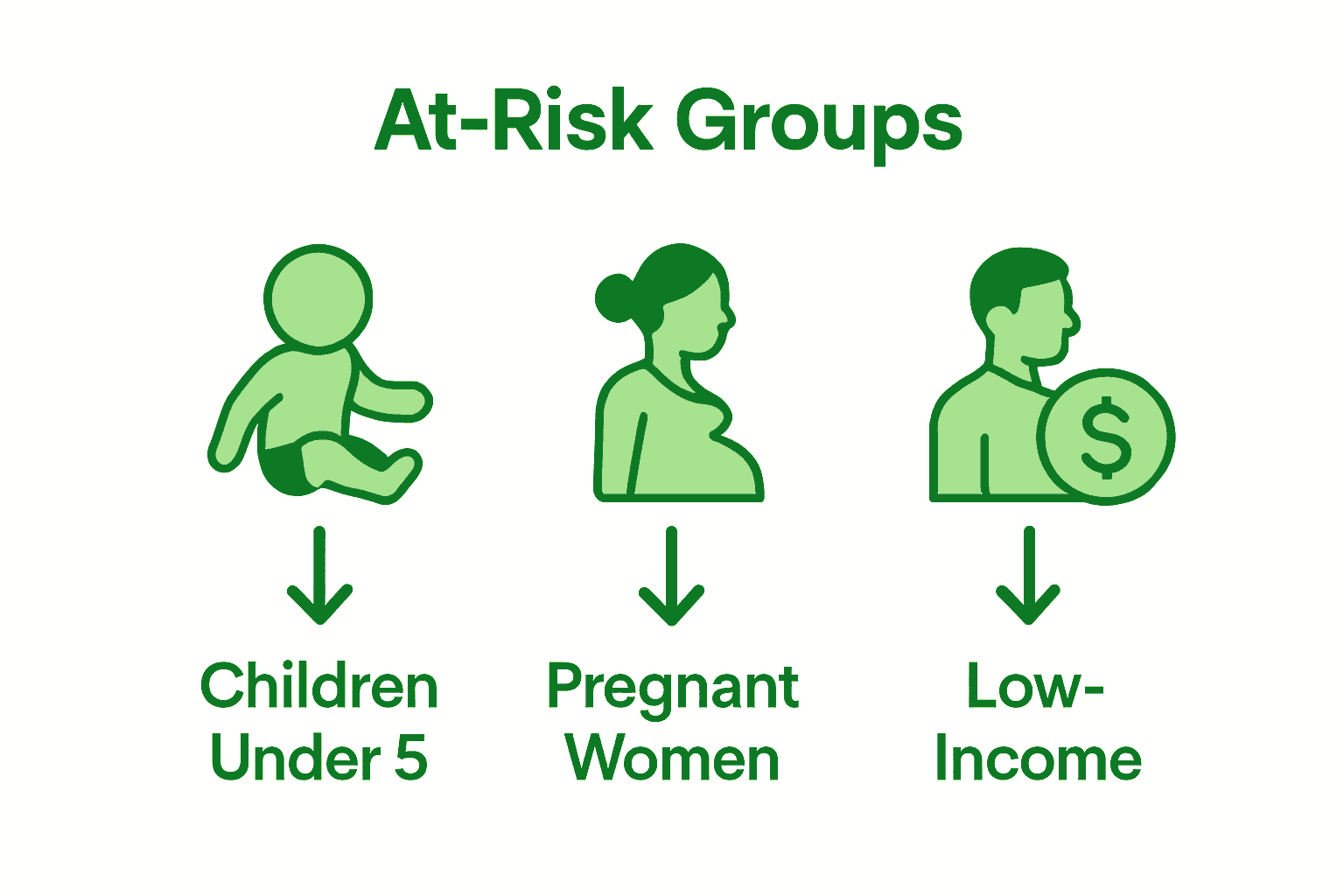
Multiple risk factors contribute to micronutrient vulnerability:
- Demographic Factors
- Pregnant and lactating women
- Children under 5 years old
- Elderly populations
- Individuals in low-income communities
- Lifestyle and Health Conditions
- Restricted dietary patterns
- Chronic medical conditions
- Limited access to diverse nutrition
- Vegetarian or vegan diets
- Frequent alcohol consumption
- Physiological Challenges
- Rapid growth periods
- High metabolic demands
- Compromised nutrient absorption
- Increased nutritional expenditure
To better understand nutritional needs across different life stages, our guide to vitamins and minerals provides comprehensive insights into maintaining optimal micronutrient balance.
Diagnosis, Prevention, And Effective Solutions
Addressing micronutrient deficiencies requires a comprehensive, multi-faceted approach that combines medical intervention, nutritional strategies, and proactive health management. FAO research outlines four primary strategies for combating these nutritional challenges: dietary diversification, fortification, supplementation, and targeted public health measures.
UNHCR emphasizes the importance of a holistic approach to preventing micronutrient deficiencies. This means not just treating symptoms, but implementing systematic interventions that address the root causes of nutritional gaps across different populations and health contexts.
Effective strategies for diagnosis and prevention include:
- Diagnostic Approaches
- Blood tests for specific micronutrient levels
- Comprehensive nutritional assessments
- Regular health screenings
- Clinical evaluation of symptoms
- Advanced metabolic profiling
- Prevention Strategies
- Dietary diversification
- Food fortification programs
- Targeted nutritional supplementation
- Public health education
- Personalized nutrition planning
- Intervention Techniques
- Micronutrient-rich diet planning
- Supervised supplementation
- Lifestyle modifications
- Regular medical monitoring
- Nutritional counseling
Navigating micronutrient health requires personalized insights and professional guidance. Our guide to vitamins and minerals offers comprehensive strategies to help you understand and optimize your nutritional intake.
Take Control of Your Micronutrient Health Today
Micronutrient deficiency can quietly undermine your well-being by affecting everything from energy levels to immune function. If you have experienced fatigue, difficulty concentrating, or unexplained health issues, you might be dealing with subtle nutrient imbalances that need immediate attention. Understanding key terms like iron deficiency anemia or iodine deficiency is just the first step. The real challenge lies in managing your nutrition effectively to prevent long-term harm.
At Dietium.com, you can transform this knowledge into action with tools designed to personalize your nutrition and fitness journey. Our Recipians app offers customized meal plans and expert recipe suggestions tailored specifically to optimize your micronutrient intake. Combine this with our advanced vitamins and minerals guide and the guide to micronutrients for optimal health to build a comprehensive strategy for your nutritional needs. Don’t wait until subtle deficiencies affect your quality of life. Start your personalized nutrition plan at Dietium’s Recipians and take the first step toward vibrant health now.
Frequently Asked Questions
What is micronutrient deficiency?
Micronutrient deficiency occurs when the body lacks essential vitamins and minerals required for optimal functioning, leading to serious health complications over time.
What are the common types of micronutrient deficiencies?
The most common micronutrient deficiencies include iron, iodine, vitamin A, zinc, and folate, each affecting different aspects of health and bodily functions.
How do micronutrient deficiencies affect overall health?
Micronutrient deficiencies can result in impaired cognitive function, weakened immune response, stunted growth, and increased susceptibility to chronic diseases.
Who is most vulnerable to micronutrient deficiencies?
Vulnerable populations include women of childbearing age, pregnant and lactating women, young children, and individuals with limited access to diverse diets, among others.


