
Understanding Healthy Food Swaps for Better Nutrition
Explore healthy food swaps to improve your nutrition. Gain insights into their benefits, how they work, and key concepts for better eating habits.

Explore healthy food swaps to improve your nutrition. Gain insights into their benefits, how they work, and key concepts for better eating habits.
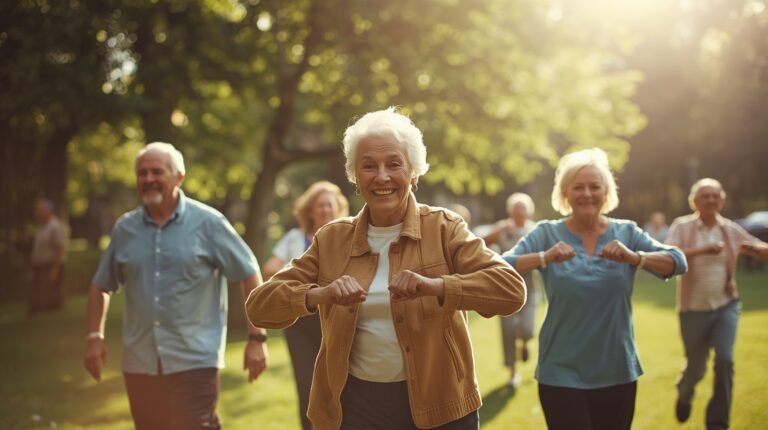
Aging doesn’t mean slowing down—it’s an opportunity to embrace fitness for better health, mobility, and energy. Regular exercise for elderly people can significantly improve quality of life, reduce the risk of chronic conditions, and enhance longevity. Whether you’re looking for exercise routines for over 60’s, or starting fitness after 40, it’s never too late to begin. With activities like walking, swimming, and resistance training, older adults can build strength, boost cardiovascular health, and maintain flexibility.
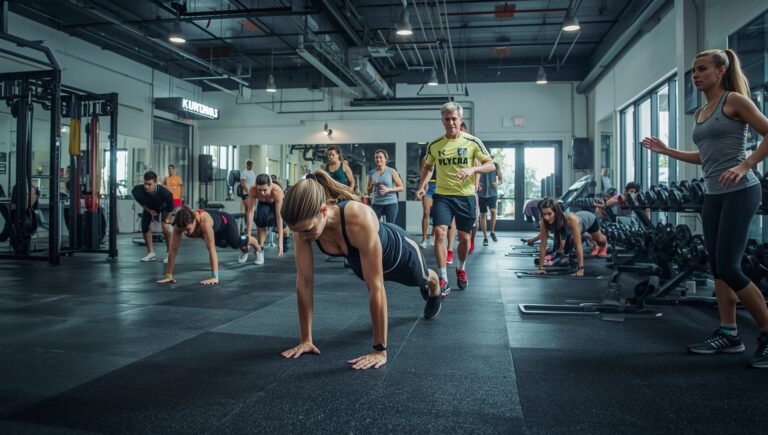
A 5 day fitness plan is the perfect balance between consistency and recovery, giving you structure without burning out. Whether your goal is muscle gain with a bulking fitness plan, endurance training with a military fitness plan, or starting simple with a Planet Fitness 5 day workout plan,
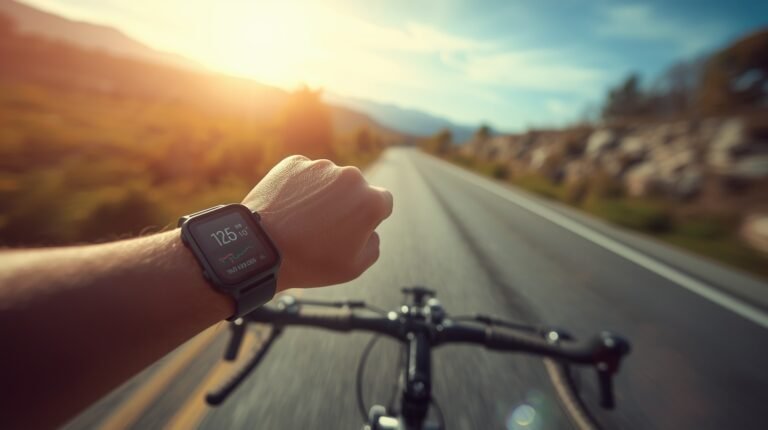
A bicycle heart rate monitor is one of the smartest tools a cyclist can use to train more effectively. Unlike speed or distance, heart rate shows how your body is really responding to effort—whether you’re climbing, sprinting, or recovering. The best heart rate monitor for cycling helps you track training zones, avoid overtraining, and improve endurance. From chest straps that deliver gold-standard accuracy to wrist-based options like the best heart rate watch for cycling, today’s devices fit every rider type.
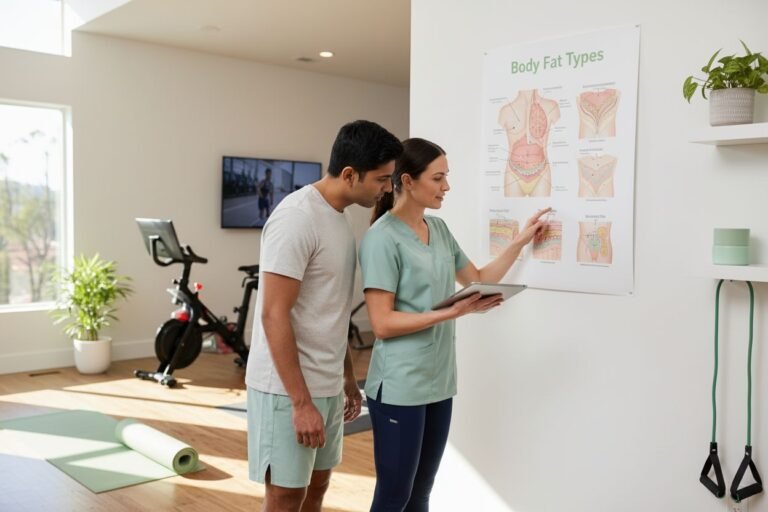
Explore the types of body fat, their importance, and how they impact health. Gain a comprehensive understanding in this detailed guide.

Experiencing heart palpitations while working out can be unsettling. These sensations, often described as a heart flutter during exercise or a rapid, pounding heartbeat, may last from a few seconds to several minutes. While palpitations during exercise are sometimes harmless and triggered by dehydration, caffeine, or intense workouts, they can also signal underlying conditions like arrhythmias, thyroid issues, or electrolyte imbalances.

Many people notice a heart rate increase after eating, and while it can feel alarming, it’s often a normal part of digestion. When you eat, your body redirects blood to the stomach and intestines, making the heart pump faster to support this demand. This can cause a mild rise of about 10–15 beats per minute, especially after large or carb-heavy meals. So, does heart rate increase after eating every time? Not always—factors like meal size, food type, hydration, caffeine, stress, or underlying conditions all play a role. While most cases of high heart rate after eating are harmless, persistent spikes above 120 bpm, especially with dizziness, chest pain, or shortness of breath, should be taken seriously and checked by a doctor.

Elevated Heart Rate When Sick: Why Your Pulse Rises and When to Worry You might find that when you lie…
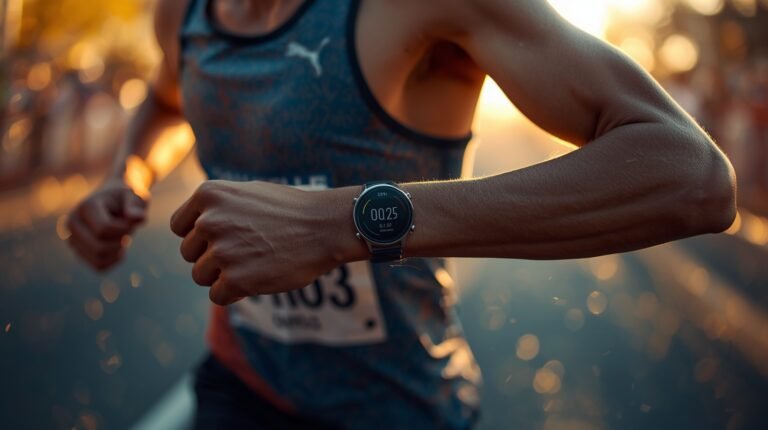
heart rate reflects how efficiently your body handles endurance over 42 kilometers, and monitoring it can make the difference between finishing strong or hitting the wall. Unlike short races, marathons keep your heart under constant aerobic stress, so knowing your heart rate zones is essential for safe pacing, energy use, and recovery. An average marathon runner heart rate ranges from 140–180 bpm depending on age, fitness, and conditions. Factors like hydration, heat, hills, and training level can all cause spikes or drops. Tracking your heart rate during training and race day gives you a real-time dashboard to prevent overexertion, maximize endurance, and ensure long-term cardiovascular health.
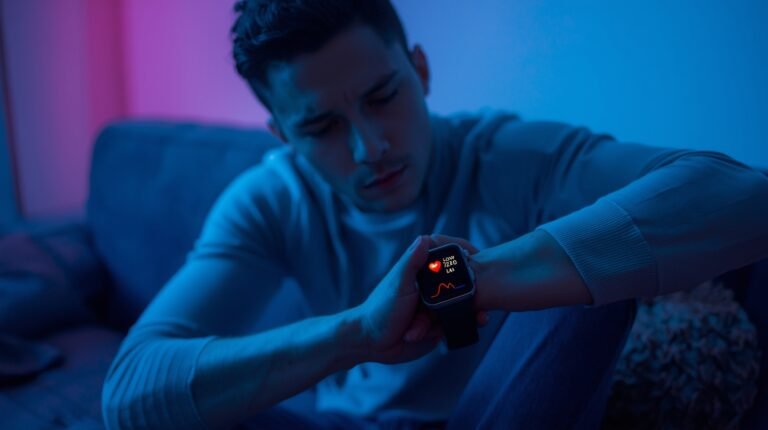
Low HRV symptoms can signal that your body is struggling to recover from stress, poor sleep, or overtraining. Heart rate variability (HRV) measures the time differences between heartbeats, and a lower score often means your nervous system is stuck in “fight or flight” mode. Common signs of low HRV include fatigue, poor sleep quality, mood swings, frequent illness, and difficulty bouncing back after workouts. Many people ask, “why is my HRV so low?” The answer may involve stress, dehydration, unhealthy lifestyle choices, or even underlying health conditions.