
Does Sugar Raise Blood Pressure? What You Need to Know Today
Does Sugar Raise Blood Pressure? Understanding the Link Sugar has a significant effect on the cardiovascular health of many people…
 Skip to content
Does Sugar Raise Blood Pressure? Understanding the Link Sugar has a significant effect on the cardiovascular health of many people…
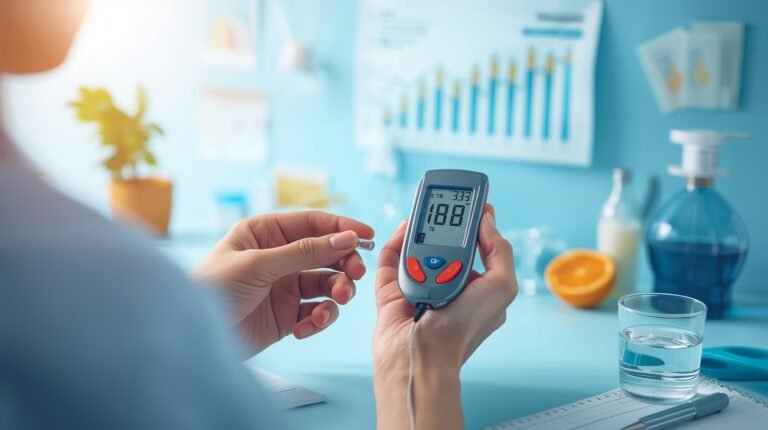
Monitoring blood sugar isn’t just for diabetics—understanding your non-diabetic blood sugar levels can unlock powerful insights into your overall health. Normal blood sugar after meals and fasting ranges reveal how your body processes glucose and helps prevent hidden health issues. For instance, a blood sugar level of 120 fasting can still be within the normal range, depending on individual factors. Two hours after eating, most non-diabetics experience a slight spike, but maintaining normal blood sugar 2 hours after eating for non-diabetics is crucial for energy, focus, and long-term wellness.

Are cherries good for diabetics, or should they be avoided? Many people living with diabetes wonder whether sweet fruits like cherries can fit into a healthy meal plan. The good news is that cherry fruit and diabetes can coexist when eaten mindfully. Cherries are packed with antioxidants, fiber, and natural compounds that may support blood sugar balance. But are cherries healthy for diabetics in real life, not just on paper? Understanding portion size, glycemic impact, and the difference between fresh and processed cherries is key.
Sugar doesn’t just affect your waistline—it can send powerful shockwaves through your heart. Many people wonder, does sugar raise heart rate or can sugar increase heart rate suddenly after meals? The answer may surprise you. From rapid heartbeats to long-term cardiovascular strain, sugar and heart disease are more closely connected than most realize. Understanding how sugar impacts heart rate can help you make smarter, heart-protective choices before damage occurs.

Feeling nauseous after eating sugar can be alarming, confusing, and downright uncomfortable. Many people notice nausea after eating sugar without realizing it may be linked to sudden blood sugar spikes. When sugar floods your system, your body releases insulin rapidly, which can disrupt digestion and trigger queasiness. In some cases, can high blood sugar cause nausea? Absolutely—especially if insulin resistance, prediabetes, or reactive hypoglycemia is involved. Symptoms may worsen after sweets, desserts, or sugary drinks, leaving you lightheaded and sick to your stomach.

Discover 7 high protein breakfast ideas to boost your energy, support weight management, and make healthy eating easier with practical, expert tips.