 Skip to content

Introduction
Potassium is a trace mineral that aids in nerve function, muscle control and the heart. Most of the time, blood potassium measures between 3.5 and 5.0 millimoles per liter (mmol/L or meq/L). When those levels are too high, it is called hyperkalemia (as in high potassium) which can be dangerous.
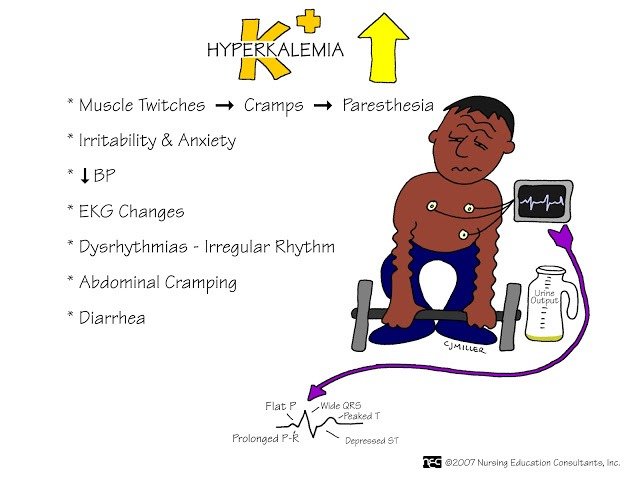
Hyperkalemia is particularly dangerous because it can alter heart rhythm, resulting in an irregular heartbeat (arrhythmias) or, in extreme cases, cardiac arrest. The disease typically progresses over decades, and many people show no symptoms until it is well-advanced, so regular monitoring for those at risk is important, especially for people with kidney disease.
Learning how to lower potassium levels involves a combination of natural approaches and medical interventions. Naturally, this includes adopting a low potassium diet, staying hydrated (under guidance), and managing underlying conditions. Medically, treatments range from medications to emergency procedures like dialysis. Understanding how to lower potassium in blood and how you can lower potassium safely requires professional oversight, as self-treatment can be harmful. Always consult a doctor for personalized advice, especially if you have symptoms or risk factors.

What Is Potassium and Why the Body Needs It
Potassium is one of the body’s most important electrolytes an essential mineral for supporting heart, nerve and muscle function. It’s involved in regulating electrical impulses that govern muscle contractions — such as the beating of your heart — and is important in maintaining fluid balance inside cells.
Potassium serves as an electrical counterbalance to sodium in muscles and nerves, helping to create the initial insult that signals water travel. For the heart, it regulates rhythm: Potassium that is not balanced can lead to arrhythmias.
Normal blood potassium levels are typically between 3.5 and 5.0 mmol/L; the above usually implies a low potassium level, but not always. The primary route of excretion is via the kidney in the urine, and when control of urinary excretion by the kidney is reduced due to renal failure, secretion from sweat glands in the skin becomes more important for maintaining body electrolyte balance. The vast majority of potassium (approximately 98 percent) is held within cells, and very little is present in the blood.
High potassium levels (hyperkalaemia, >5.0–5.5 mmol/L) are most commonly caused by dysfunction of the kidneys that lead to decreased excretion. This accumulation can block electric signals and cause muscle weakness or potentially life-threatening heart problems. Mild hyperkalemia is usually asymptomatic, but severe hyperkalemia (> 6.5 mmol/L) is an emergency and requires urgent treatment.
Balance is the key—there are risks at both high and low levels (hypokalemia). Blood tests are routine to identify imbalance.
3. What Causes High Potassium Levels? (275 words)
High potassium, or hyperkalemia, comes when the body can’t efficiently rid itself of excess potassium or when too much is ingested into the bloodstream.
The leading cause is kidney disease such as CKD or acute kidney injury. Healthy kidneys filter and pass potassium, damaged ones let it build up.
Diet issues are unusual in people with normal kidneys but can contribute to those with impaired kidney function, especially where there is intake of high-potassium foods or supplements.
Certain medications are major culprits:
- ACE inhibitors, and ARBs (for blood pressure and heart problems)
- Potassium-sparing diuretics (e.g., spironolactone)
- NSAIDs
- Potassium supplements
- These medications either inhibit potassium excretion or drive it into the circulation.
- Dehydration reduces blood flow to the kidneys, leading to poor clearance.
Other medical conditions include:
- Addison’s disease (decreased aldosterone, which helps to remove potassium)
- Diabetes (particularly uncontrolled, since the sugar shifts from cells)
- Tissue destruction (e.g. Burns, Trauma, Rhabdomyolysis) leads to release of intracellular potassium.
- Acidosis (accumulation of acid moves potassium out of cells)
Increasing potassium levels within the blood occurs when excretion is reduced, or input/watch exceeds regulation. The risk increases with age, and particularly among elder adults, the heart failure population and those on multiple offending meds.
“Get to the bottom of it and find why it is happening for you, then you can manage it.
Symptoms of High Potassium (Hyperkalemia)
Hyperkalemia often develops slowly, and many people experience no symptoms until levels are critically high.
Mild symptoms include:
- Muscle weakness or fatigue
- Numbness or tingling
- Nausea or vomiting
- Abdominal pain
As levels rise, severe symptoms emerge:
- Palpitations or irregular heartbeat
- Shortness of breath
- Chest pain
- Severe muscle weakness or paralysis
High potassium becomes life-threatening when it causes cardiac arrhythmias, potentially leading to sudden cardiac arrest. ECG changes (e.g., peaked T-waves) may appear before symptoms.
Symptoms vary—some feel effects at lower levels due to rapid rises or underlying conditions. Always seek emergency care for chest pain, severe weakness, or heart rhythm issues.
How to Lower Potassium Levels Naturally
The primary natural way to lower potassium levels is through dietary changes and supporting kidney function, but always under medical supervision—especially with kidney issues.
Hydration and kidney function: Staying adequately hydrated helps kidneys flush potassium via urine. However, overhydration can be risky in kidney disease; follow your doctor’s fluid guidelines. Dehydration worsens hyperkalemia, so balanced intake is key.
Reducing potassium intake: Adopt a low potassium diet (typically 2,000–3,000 mg/day, per doctor). Focus on low-potassium foods while avoiding high ones (detailed in section 8).
Role of sodium: Moderate sodium can help kidneys excrete potassium, but excess sodium raises blood pressure. Avoid potassium-based salt substitutes (e.g., those with potassium chloride), as they worsen hyperkalemia. Use herbs/spices instead.
Other natural supports:
- Regular physical activity (if approved) to aid circulation and kidney health
- Managing blood sugar in diabetes to prevent potassium shifts
Importance of medical supervision: Natural methods work best for mild cases or prevention. Severe hyperkalemia needs urgent medical care. Self-adjusting can lead to low potassium (hypokalemia), causing its own dangers. Work with a dietitian for a tailored plan, and monitor levels via blood tests.
Natural approaches are supportive, not curative alone in advanced cases.

How to Flush Excess Potassium From the Body
- The most effective way to flush excess potassium from the body is through increased excretion in the urine or bowel, under a doctor’s direction.
- Drinking water safely: Staying well-hydrated can help encourage frequent urine production, aiding in the ability of your kidneys to flush potassium away. But “flushing” out with too much water is a myth and dangerous — it can lead to hyponatremia, or overload in kidney disease. Stick to recommended fluid intake.
- Potassium urine excretion: The MAJOR route that is ATRITIC. Loop Diuretics (e.g., furosemide, by prescription only) increase urine output and potassium loss but must be monitored to prevent dehydration or low potassium.
- Diuretics (doctor-guided): Potassium-wasting ones to assist excretion; never self-medicate.
- Debunking extreme flushing myths: There’s no required “flush” at lightning speed such as lemon water or herbs alone. Potassium binders (such as medications) help reduce the amount of potassium that enters your system.
- Medications: may also increase the uptake of potassium in cells. The process of natural flushing is slow and works well for mild ones.
How to Lower Potassium in Blood Quickly
For rapid lowering of potassium in blood (severe hyperkalemia >6.5 mmol/L or with symptoms/ECG changes), emergency medical treatment is essential.
Emergency treatments overview:
- Stabilize heart: IV calcium gluconate protects the heart membrane from potassium effects.
- Shift potassium into cells: Insulin + glucose (IV) drives potassium intracellularly (lowers blood levels in 30–60 min). Beta-agonists (e.g., albuterol nebulizer) aid this.
- Remove potassium: Diuretics for urine excretion; potassium binders (e.g., patiromer, sodium zirconium) for gut removal; dialysis for severe/kidney failure cases.
Dialysis is most effective for quick, definitive removal when other methods fail or kidneys can’t excrete.
Importance of medical care: These are hospital-based; self-treatment risks life. Quick action prevents arrhythmias.
Low Potassium Diet: Foods to Eat & Avoid
Dietary restriction of potassium is the central diet intervention for hyperkalemia and dietary intake should be restricted to 2000 to 3000 mg/day (prescribed by a physician).
Low potassium foods (eat small amounts only):
- Fruits: Apples, berries (blueberries, strawberries), grapes, pears, pineapple and cranberries
- Vegetarian: Cabbage, cauliflower, green beans, cucumbers, lettuce, onions, peppers
- White foods: White rice, white pasta, white bread
Proteins -Eggs, chicken, unprocessed fish (small amounts)
Others: Coffee (limited), herbal teas
Foods with high potassium content to avoid/reduce:
- Fruits – Bananas, Oranges, Kiwi, Dried fruits, Avocados and Melons
- Vegetables: Potatoes, tomatoes, spinach, broccoli, sweet potatoes and beets
- Other: Beans/lentils (if not leached), nuts/seeds, yogurt/milk (dairy minimize), chocolate, bran cereals
Cooking tips to reduce potassium:
- Vegetable leaches: peel, thinly slice, soak in water (10x ratio) for 2+ hours, boil from fresh water and discard. Reduces potassium by 50–80%.
- Boil that mess: Boil high-potassium vegetables (don’t steam/microwave); ditch the water.
- Portion control: Even low-up foods can be significant in quantity.
- Check the label: Steer clear of “low sodium” salts containing potassium chloride.
- Sample meal: Grilled chicken, white rice, blanched green beans, apple slices.
Ask your dietitian for appropriate lists.

How to Lower High Potassium Levels Through Lifestyle Changes
Lifestyle supports lowering high potassium long-term.
Meal planning: Follow low-potassium guidelines; plan balanced meals with variety.
Reading food labels: Check for potassium additives; avoid supplements.
Avoiding salt substitutes: Many contain potassium chloride.
Managing chronic conditions: Control diabetes, blood pressure; adhere to meds (discuss adjustments if they raise potassium).
Exercise moderately, stay hydrated per advice, quit smoking.
How Can You Lower Potassium Safely?
To lower potassium safely:
When to Contact a Medical Professional Return to topSymptoms, known risk factors, or routine tests indicate increased levels.
- Blood tests and observation: Regular monitoring determines progress.
- Staying away from self-treatment: No cure without evidence; risks imbalance.
- Custom diet plans: Dietitian-designed, based on needs.
Combine diet, meds and lifestyle under guidance.
Medical Treatments for High Potassium
- Potassium binders: Patiromer, sodium zirconium cyclosilicate—these all bind potassium in the gut for stool excretion.
- Prescription diuretics: Promote urine excretion.
- In-hospital: intravenous (IV) therapies (calcium, insulin/glucose), dialysis.
- Long-term: Treat causes, adjust meds.
How Long Does It Take to Lower Potassium Levels?
- Etymology and etiology Duration Mild vs severe: Mild (diet) weeks to months; severe (medical) hours to days.
- Diet-based: Gradual, 1–4 weeks noticeable.
- Medical: ER hours/binders days.
- Monitoring: Frequent tests guide.
Prevention Tips: Keeping Potassium Levels Normal
- Balanced diet: Moderate potassium.
- Monitoring of the blood: Vulnerable.
- Hydration habits: Adequate, not excess.
- Medication review: With doctor.
FAQs
How to flush excess potassium fast?
Fast flushing requires medical intervention (e.g., diuretics, binders, dialysis); natural methods are slow.
What foods lower potassium?
No foods directly lower, but low-potassium choices prevent rise (apples, berries, cabbage).
Can drinking water lower potassium?
Helps mildly via urine, but not quickly or alone.
Is high potassium always dangerous?
Mild often not, but untreated can become so.
Can diet alone fix high potassium?
Mild/chronic yes; severe no—needs medical help.
Conclusion
Lowering potassium levels safely involves understanding hyperkalemia risks and combining a low potassium diet, lifestyle adjustments, and medical treatments as needed. Focus on professional guidance to avoid complications. Prioritize monitoring and root cause management for long-term health. Consult your healthcare team for tailored advice. Stay proactive—balanced potassium supports overall well-being.
Learn More About: how to remove excess salt from body


