 Skip to content

Does Salt Dehydrate Introduction
Sodium is an essential mineral that helps regulate hydration, blood volume, and fluid balance in the body, but many people still ask does sodium dehydrate you or does salt dehydrate you after feeling thirsty from salty foods. In reality, sodium itself does not cause dehydration unless consumed in excess without enough water. To stay balanced, it’s important to understand what do electrolytes do, as electrolytes like sodium, potassium, magnesium, and calcium support nerve function, muscle contraction, and proper hydration. The best way to maintain balance is learning how to get electrolytes naturally through diet and fluids. Consuming water-rich foods, mineral-rich drinks, and the top 10 foods high in electrolytes can help prevent electrolyte imbalance, support energy levels, and promote overall health—especially during exercise or hot weather.
What Is Sodium and How Does It Affect Hydration?
Sodium is a positive ion and the major extracellular electrolyte. It combines with chloride to make salt, and is important in osmotic pressure.
Sodium, as the primary electrolyte outside of cells, attracts water across membranes to maintain optimal hydration in blood and tissues.
The balance is a fine one: Ideal concentrations of sodium keep water in and deviations cause trouble.
Sodium Dehydrate: How Excess Sodium Can Impact Water Balance
When intake is high, sodium dehydrate occurs as excess pulls water from cells into blood, temporarily dehydrating cells while raising blood osmolality.
The kidneys fight back by dumping more urine to get rid of the sodium, resulting in loss of fluid if not replaced.
Chronic excessive intake compromises this system and might produce true dehydraicion.
Does Sodium Dehydrate You?
Only when consumed in hypertonic quantities sans sufficient water — otherwise, it actually boosts hydration by retaining fluid.
There is a thirst mechanism that tells our brain when to drink and restore equilibrium.
Symptoms appear when the amount of water drunk lags behind the intake of sodium.
Moderate sodium is crucial; outside the middle it pulls water in or out.
Does sodium dehydrate you long-term?
Poor habits yes, but balanced no.

Does Salt Dehydrate You?
It depends on the situation, the dose and how much water is drunk. Table salt is sodium chloride and provides sodium in a direct form.
The natural sodium from whole foods is packaged in potassium and water, which decreases dehydration potential as compared to processed salt.
Following high-salt meals, the saltiness in blood jumps temporarily and produces thirst and increases urine output as the kidneys struggle to bring these levels back down.
Short-term: This may resemble dehydration but is a defense mechanism.
Persistent long-term salt overload and not enough water lead to chronic, low-level dehydration which can cause high blood pressure and put extra strain on the kidneys.
Does salt dehydrate you in moderation? No—it supports fluid retention.
Factors That Increase Sodium-Related Dehydration
In warm conditions, the body loses more sweat, which makes salt impacts worse.
Intense exercise increases sodium excretion.
When there is not enough water drinking in general, less dilution and removal.
In these cases, does salt dehydrate you more readily? Absolutely—awareness prevents issues.
Does salt dehydrate you during normal days?
Rarely with balanced habits.
Symptoms of Dehydration Due to Excess Sodium
Too much sodium with not enough water presents classic dehydration symptoms rapidly.
The first and most powerful signal is extreme thirst.
Thirst, a thick saliva, low urine output.
Then fatigue, tiredness and muscle weakness set in.
Dizziness, lightheadedness, especially when standing.
Headaches from fluid shifts.
In severe cases: Confusion, rapid pulse, low blood pressure and sometimes fainting.
Does sodium dehydrate you to this extent? Yes, if ignored—particularly vulnerable are children, elderly, and athletes.
Recognizing these early allows quick correction with water and balanced electrolytes.

Understanding Electrolytes and Their Importance
Electrolytes are essential minerals in the body, including sodium, potassium, magnesium, calcium, and chloride, that carry an electric charge and help regulate many vital functions. They play a key role in maintaining fluid balance, supporting nerve signals, enabling muscle contraction, and keeping the body’s pH level stable. Without proper electrolyte balance, the body can experience dehydration, muscle cramps, fatigue, irregular heartbeat, and weakness. Maintaining healthy electrolyte levels through proper hydration and a balanced diet is crucial for energy, performance, and overall health.
What Do Electrolytes Do?
- What are electrolytes, and what do they do in the body? They are charged particles that do important work in the body.
- They allow nerve impulses to communicate.
- Support muscle contractions, including heartbeat.
- Control water flow through the cells of your body.
- Maintain acid-base equilibrium.
Star players: Sodium (outside cells), potassium (inside cells), magnesium (energy-related) calcium, (for bones/muscles), chloride (digestion).
What do electrolytes do daily?
Power every movement and thought.
Electrolyte Imbalance and Hydration
- High sodium disrupts others, leading to poor hydration.
- Low levels cause cramps, fatigue.
- Imbalance affects performance, recovery, and health.
What do electrolytes do for hydration?
Make water more effective—cells absorb better with them.
What do electrolytes do in deficiency?
- Symptoms mirror dehydration even with water intake.
- Balance is foundational for wellness.
How to Get Electrolytes
You can get electrolytes naturally by drinking enough water and eating electrolyte-rich foods. Include bananas, coconut water, oranges, spinach, yogurt, milk, nuts, seeds, and salt in moderation. During heavy sweating, exercise, or hot weather, electrolyte drinks or oral rehydration solutions can help replace lost sodium, potassium, magnesium, and calcium. Avoid excess alcohol and too much plain water without minerals, as this can lower electrolyte balance.
Hydration Solutions
- Plain water hydrates basically.
- Electrolyte-enhanced drinks (sports or packets) restore quickly post-activity.
- Coconut water offers natural potassium, sodium, magnesium.
Dietary Sources of Electrolytes
Whole foods provide the best how to get electrolytes.
- Fruits: Bananas, oranges, avocados.
- Vegetables: Spinach, broccoli, potatoes.
- Dairy: Milk, yogurt.
- Nuts/seeds: Almonds, chia.
Tips for Maintaining Electrolyte Balance
- Eat a varied diet.
- Moderate processed foods high in unbalanced sodium.
- Drink to thirst, more in heat/exercise.
How to get electrolytes during illness: Broths, fruits.
How to get electrolytes naturally prioritizes absorption and additional nutrients.
Supplements only when needed—food first.

Top 10 Foods High in Electrolytes
These top 10 foods high in electrolytes deliver balanced minerals naturally.
- Bananas: Rich in potassium; prevent cramps, support heart.
- Spinach: Potassium, magnesium; aids relaxation, energy.
- Avocado: Potassium, healthy fats; enhances absorption.
- Yogurt: Calcium, potassium; probiotics bonus.
- Coconut Water: Natural sodium, potassium; perfect post-workout.
- Sweet Potatoes: Potassium, vitamins; sustained energy.
- Almonds: Magnesium, calcium; reduce fatigue.
- Pickles/Olives: Sodium (moderate); quick replenishment.
- Salmon: Magnesium, omega-3s; anti-inflammatory.
- Oranges: Potassium, hydration from water content.
Incorporate these top 10 foods high in electrolytes daily for optimal balance—far superior to artificial sources.
Top 10 foods high in electrolytes also provide fiber, vitamins for holistic health.

How Sodium and Salt Affect Hydration During Exercise
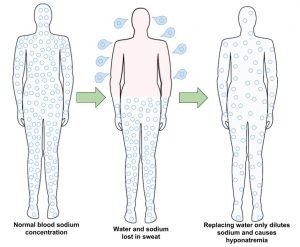
Sweat contains sodium—significant losses during prolonged exercise.
Does salt dehydrate you here? No—replacing prevents hyponatremia.
Overhydration without electrolytes dilutes blood sodium dangerously.
Rehydration: Include 500-1000mg sodium per liter fluid.
Strategies: Salty foods, tablets, drinks.
Does sodium dehydrate you in sports? Essential replacement enhances performance.
Athletes benefit from pre-loading moderate salt.
Does salt dehydrate you post-workout?
No—with proper recovery.

Myths About Salt and Dehydration
Common myth: All salt causes dehydration.
- Reality: Only excess without water; moderate necessary.
- Another: Avoid salt entirely for hydration.
- Truth: Leads to imbalances.
Does salt always dehydrate you?
No—body designed for it.
- Myth: Thirst after salty food means dehydration.
- Actually: Normal signal to drink.
Understanding debunks fears around sodium dehydrate you.
Signs You Need Electrolytes
- Persistent muscle cramps, especially nocturnal.
- Unexplained fatigue despite rest.
- Frequent headaches.
- Dizziness or orthostatic hypotension.
- Irregular heartbeat sensations.
- Excessive thirst unrelated to heat.
- These indicate need—address with how to get electrolytes.
- What do electrolytes do when replenished? Resolve quickly.
Safe Ways to Replenish Electrolytes
Start with water for mild needs.
Use commercial drinks for intense.
Homemade: Water, pinch salt, lemon juice, honey.
Prioritize foods from top 10 foods high in electrolytes.
How to get electrolytes safely avoids sugar overloads.
Monitor response—overdoing rare but possible.

Daily Sodium and Electrolyte Recommendations
- Guidelines: 1500-2300mg sodium daily maximum.
- Pair with 2-3 liters water.
- Athletes: Up to 3000-5000mg on heavy days.
- Seniors: Lower due to sensitivity.
Balance with potassium-rich foods.
How to get electrolytes consistently meets these.
Frequently Asked Questions (FAQ)
Does salt always dehydrate you?
No—does salt dehydrate you only when excessive and water insufficient; otherwise supports.
Can I get electrolytes from food alone?
Yes—how to get electrolytes through top 10 foods high in electrolytes works perfectly.
How much sodium is safe per day?
Ideally under 2300mg; adjust for activity.
What do electrolytes do for athletes?
What do electrolytes do? Sustain endurance, prevent cramps.
Can high sodium drinks help with dehydration?
Yes—counter mild sodium dehydration from sweat.
Conclusion
So, does salt dehydrate you in the end? Not really — too much will without water can, but balance helps hydrate. Whether sodium dehydrates you or salt dehydrates you is situational.
Electrolytes are a should—yawn do electrolytes help with energy. Learn how to get electrolytes from what you eat and drink. Use top 10 electrolyte rich foods for natural healing. Make moderation your priority, listen to your body and stay well-hydrated.
Learn More About: blood sodium level


