 Skip to content

1. Introduction
We need sodium for nerve function, muscle contractions and to balance fluid levels, but most of us get way too much — mostly from processed food and beverages. High sodium beverages often go under the radar, since we tend to think of sodium as something that comes from salty snacks, not drinks.
The American Heart Association (AHA) recommends restricting sodium intake to 2300 mg/day or less, with an optimal goal of 1500 mg/d for most adults, especially those with hypertension. Surprisingly, high sodium drinks such as a can of vegetable juice may have 800–1,000 mg, almost half the daily allowance.
Saturated with sodium drinks like sodium shots can lead to water retention, high blood pressure, heart disease, stroke, kidney damage and even osteoporosis. Amid all those convenient drinks-in-a-bottle on store shelves, it’s relatively easy to overconsume without realizing. This ultimate guide includes definitions, related health effects, specific high sodium drinks to avoid, tips for reading labels, alternatives and practical strategies to cut back. Arm yourself with the answers that will help you make better, healthier drinking decisions.


What Are High Sodium Beverages? (265 words)
High sodium beverages are any drinks with significant added sodium, usually more than 140 mg per serving (the FDA threshold for “low sodium”). Sodium is incorporated for taste enhancement, preservation, shelf stability, or to replenish electrolytes lost in sweat.
- Some examples of high sodium drinks include:
- Canned (also called bottled) vegetable or tomato juices
- Sports and electrolyte replacement beverages
- Pre-made broths, stocks, and soup products
- club sodas, flavored waters, energy drinks and even some milk alternatives
Why so much sodium?
In vegetable juices, it is added to enhance savory flavor and to camouflage bitterness. Sports drinks contain it to help with hydration (sodium holds onto water). Broths use it as a flavour base.
Sodium is obvious on nutrition labels, but many people ignore it in drinks. Unlike with a 12–16 oz serving of a similarly flavored beverage — they are liquids and the beverages are ingested rapidly and in relatively large quantities, further increasing sodium content.
Compare those to naturally low-sodium beverages such as plain water or fresh-squeezed fruit juices — also unsweetened herbal teas (no sodium, or close to none). Processed high sodium beverages dominate convenience stores and supermarkets, making them easy defaults. Awareness starts with recognizing that “healthy-sounding” drinks can be loaded.


Why Sodium in Drinks Can Be Harmful
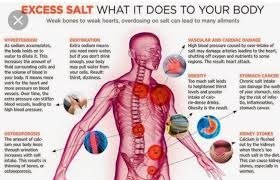
The body’s fluid balance is a delicate thing and the extra sodium from high sodium beverages throws this balance off. When intake is elevated, the kidneys hold on to water in order to dilute salt, which increases blood volume and pressure — and thus, hypertension.
Short term: Bloating puffiness (especially face, hands and feet), headaches, very thirsty. Those symptoms indicate that fluid is building up, and can feel like weight gain.
Long-term risks are severe:
- Cardiovascular disease — Hypertension stresses arteries and can increase the odds of heart attacks and stroke.
- Kidney pressure—Chronic disease development, especially for at-risk people due to over-exerted kidneys.
- healthier bones — High sodium causes your body to lose calcium in urine, and the loss of calcium in your bone structure can lead to brittle or thinning boned called osteoporosis.
- Other concerns — Links to stomach cancer, insulin resistance and worsening of heart failure symptoms.
Drinks make the damage worse because they are low-satiety — you can drink a lot and not feel full, as opposed to food. One 32-oz sports drink may contain over 500 mg sodium plus sugar calories.
Some groups are particularly susceptible: older adults, African-Americans, those who already have diabetes or hypertension. Even “functional” sodium drinks for workouts or health can nudge totals over the limits if they’re not needed.
CDC research reveals that the average American consumes over 3,400 mg of sodium per day and that 70–80% of this figure comes from processed sources (including beverages). Slashing high sodium drinks was the most effective way to lower overall risk.

Common High Sodium Drinks to Avoid
Many popular drinks top the high sodium drinks to avoid list, often disguised as healthy:
- Vegetable and tomato juices → V8 Original: 640–960 mg per 8–12 oz serving; Campbell’s tomato juice: up to 1,000 mg. Included for flavor although low-sodium formulations are available (~140 mg).
- Sports and electrolyte drinks → Gatorade: 270–490 mg per 20 oz; Powerade: similar; Pedialyte (for rehydration): 240–1,000 mg depending on flavor.
- Broths/stocks [canned or carton] → Swanson chicken broth: ~800 mg a cup; vegetable broth: 700–900 mg. Not just cooked but drunk as soup too.
- Club soda or seltzer → Some brands add 50–100 mg; flavored versions contain more.
- Energy drinks and premade teas → Sometimes 100–300 mg more.
- Meal replacement shakes or specific plant milks → When salted.
Practical tips:
- Religiously check labels — sodium is lurking in many “natural” or “organic” products.
- Multiply per serving by amount of actual consumption (entire bottle is often 2–3 servings).
- Don’t use daily; save sports drinks for vigorous or prolonged physical activity (>1 hour).
- Compare brands: Look for “reduced sodium” (at least 25 percent less) or “no salt added.”
By sidestepping these high sodium drinks to avoid, you can slash hundreds of milligrams effortlessly.

Clear Liquid Diet
Understanding Sodium Content in Drinks (315 words)
Deciphering labels is crucial for managing high sodium beverages.
Key elements:
- Sodium mg per serving — Primary number to watch.
- % Daily Value (%DV) — Based on 2,300 mg; <5% low, >20% high.
- Serving size — Often unrealistically small (e.g., 8 oz when bottle is 20 oz).
- Ingredients: Look for “salt,” “sodium chloride,” “sodium citrate,” etc.
Typical sodium ranges:
- Plain water: 0 mg
- Fresh fruit juice: 5–50 mg
- Unsweetened tea/coffee: <10 mg
- Coconut water: 40–100 mg
- Flavored sparkling water: 0–75 mg
- Standard sports drink: 150–500 mg
- Vegetable juice: 500–1,000+ mg
- Broth: 700–1,000 mg
Detailed comparison table:
| Beverage (per 12 oz serving) | Approx. Sodium (mg) | Notes |
| Plain Water | 0 | Best zero-sodium choice |
| Fresh Squeezed Orange Juice | 10–20 | Natural, no added |
| Herbal Tea (unsweetened) | <10 | Calming alternative |
| Gatorade (standard) | 300–450 | Electrolytes for athletes |
| V8 Original Vegetable Juice | 800–960 | High; low-sodium version ~140 |
| Low-Sodium Broth | 140–400 | Better option |
| Regular Canned Chicken Broth | 800–900 | Common cooking base |
Always calculate the total from full container.


Healthier Alternatives to Sodium Drinks (365 words)
Replace high sodium drinks with these refreshing, low-sodium options:
- Infused or detox water → Regular water with fruit, vege slices (lemon, cucumber and berries), herbs (mint, basil) – no sodium, but with added flavor and vitamins.
- Herbal teas → Caffeine-free versions such as peppermint, chamomile or rooibos; brew hot or iced.
- Fresh homemade juices and smoothies → Blend whole fruits/veggies. No added salt; control portions.
- Naturally flavored sparkling water → Unsalted brands; add fresh lime to make it fiz Just come here.TRANSLATE.
- Coconut water → Fresh or unsweetened packaged (~50–100 mg natrual sodium).
- DIY electrolyte drinks → Water + pinch of sea salt (very little), lemon, honey if necessary.
Tips for transition:
- Experiment with combinations: Strawberry-basil water or cucumber-mint.
- Make batches in pitchers for convenience.
- Freeze fruit in ice cubes for sustained flavor.
- Use apps/recipes for variety—hundreds of infused ideas online.
- For athletes: Low-sodium electrolyte tabs or natural sources like bananas.
These alternatives hydrate deeply, support detoxification, and enhance taste without risks.

How High Sodium Beverages Affect Daily Sodium Intake
Recommended daily sodium: AHA’s 2,300 mg max, 1,500 mg ideal.
High sodium beverages can contribute 20–40% or more:
- Example day: Coffee (low) + vegetable juice breakfast (800 mg) + sports drink afternoon (400 mg) + broth soup (800 mg) = 2,000 mg from drinks alone, before food.
One such flavonoid, quercetin, is consumed on average 150% above guidelines and processed sources are a major contributor. Then there are the beverages that creep in because they’re habitual — morning juice, post-workout recovery, cooking bases.
Impact: Drives numbers up there, adding to food sodium. Over years, chronic disease risk.
Monitoring strategies:
- Tracking Apps Use your tracking apps (MyFitnessPal, Lose It).
- Log beverages separately.
- Shoot for <500 mg sodium from beverages each day.
- Balance with potassium enriched foods (fruits/veggies) to offset.
Total intake frequently falls drastically when you cut down on sodium in drinks.
Tips to Reduce High Sodium Drinks in Your Diet
Effective reduction techniques:
- Gradual swap → Dilute high-sodium drinks by 50% with water, work up over weeks.
- Flavor enhancer the natural way → Citrus, herbs, spices in water.
- Plan ahead → Prep infused water (tonic or club soda) nightly; tote reusable bottle.
- Shop smart → Look for “low sodium” or make your own.
- Noticeable habits → When thirsty, drink water first; no more than one high-sodum beverage a week.
Recipe adjustments → Rinse canned veggies for broths; apply fresh herbs.
Conclusion
High sodium beverages pose stealthy threats through excess intake, driving hypertension, bloating, and long-term diseases. Identifying high sodium drinks to avoid—like vegetable juices and sports drinks—and mastering labels empowers control.
Welcome hydrating foods low in sodium, such as infused waters and fresh juices! Moderation, mindfulness, and tweaks produce great results. Focus more on natural, whole foods and keep an eye on your energy levels.
Stay hydrated the smart way—your body will thank you.
10. FAQ Section
What are examples of high sodium drinks?
Vegetable juices (V8: 640–960 mg), sports drinks (Gatorade: 270–490 mg), canned broths (700–900 mg per cup).
How can I reduce sodium in my beverages?
Switch to infused water, herbal teas, fresh juices; choose low-sodium versions; dilute or make homemade.
Are all sports drinks high in sodium?
Most contain 150–500 mg for electrolytes; low-sodium or zero options available for non-intense needs.
Can high sodium drinks affect weight loss?
Yes—cause water retention (temporary weight gain), bloating, and if sugary, extra calories/thirst cycles.
Is coconut water a high sodium drink?
No—natural versions have ~50–100 mg, much lower than processed alternatives.
Do all vegetable juices have high sodium?
Many canned do, but fresh homemade or “no salt added” are low.
Tips for Buying Low-Sodium Alternatives
- Seek explicit “low sodium” (<140 mg/serving) or “no salt added.”
- Compare multiple brands side-by-side.
- Choose fresh produce for DIY juices/broths.
- Read reviews for taste on low-sodium products.
Recommend


