 Skip to content

Planning nutritious vegan meals that deliver complete nutrition can feel overwhelming. Many people worry about getting enough protein, vitamins, and minerals without animal products. The good news is that balanced vegan eating is entirely achievable with the right ingredient combinations and meal strategies. This guide provides practical meal ideas built on solid nutritional criteria, helping you create satisfying plant-based dishes that support your wellness goals. Whether you’re new to vegan eating or looking to diversify your current routine, these balanced meal concepts will simplify your planning while maximizing nutritional value.
Table of Contents
- Key takeaways
- Criteria for a balanced vegan meal
- Top balanced vegan meal ideas to try
- Comparing balanced vegan meal options
- Choosing the right balanced vegan meal for your lifestyle
- Explore personalized nutrition solutions
- FAQ
Key Takeaways
| Point | Details |
|---|---|
| Balanced vegan criteria | Balanced vegan meals require adequate protein, iron, vitamin B12, omega-3 fatty acids, and fiber to meet your body’s needs. |
| Protein pairing strategy | Combine different protein sources like legumes, tofu, tempeh, quinoa, and nuts across meals to obtain all essential amino acids. |
| Fortified foods emphasis | Include at least one fortified item daily, such as nutritional yeast for B12 or fortified plant milk for calcium and vitamin D. |
| Fiber and calories guidance | Most balanced meals provide 8 to 12 grams of fiber per serving and align with 400 to 600 calories for a main dish. |
Criteria for a balanced vegan meal
Understanding what makes a vegan meal truly balanced starts with recognizing essential nutritional components. Balanced vegan meals require adequate protein, iron, vitamin B12, omega-3 fatty acids, and fiber to meet your body’s needs. Macronutrient balance forms the foundation, with each meal ideally containing quality protein sources, complex carbohydrates for sustained energy, and healthy fats for nutrient absorption and satiety.
Protein deserves special attention in vegan meal planning. Combining different best protein sources for vegans like legumes, tofu, tempeh, quinoa, and nuts throughout the day ensures you get all essential amino acids. Aim for 15 to 25 grams of protein per meal, depending on your individual needs and activity level.
Micronutrients require deliberate consideration in plant-based eating. Iron from leafy greens and legumes absorbs better when paired with vitamin C-rich foods like bell peppers or citrus. Vitamin B12, absent in plant foods, needs supplementation or fortified products. Omega-3 fatty acids come from flaxseeds, chia seeds, walnuts, and algae-based supplements. Calcium sources include fortified plant milks, tahini, and leafy greens like kale and bok choy.
Fiber and antioxidants naturally abundant in plant foods support digestive health and reduce inflammation. Most balanced vegan meals easily provide 8 to 12 grams of fiber per serving. Colorful vegetables and fruits deliver diverse antioxidants that protect cellular health. Caloric needs vary by individual, but balanced meals typically range from 400 to 600 calories for main dishes, supporting energy without excess.
Pro Tip: Include at least one fortified food in your daily meals, such as nutritional yeast for B12 or fortified plant milk for calcium and vitamin D, to cover common vegan nutritional gaps effortlessly.
Top balanced vegan meal ideas to try
Practical meal ideas make nutritional theory actionable. These options combine nutrient dense vegan foods in appealing, accessible ways that fit various occasions and preferences.
Breakfast options set a strong nutritional foundation:
- Tofu scramble with spinach, mushrooms, and nutritional yeast on whole grain toast provides complete protein, B vitamins, iron, and fiber
- Overnight oats with chia seeds, almond butter, berries, and hemp hearts deliver omega-3s, protein, antioxidants, and sustained energy
- Smoothie bowl with banana, spinach, protein powder, topped with granola, nuts, and fresh fruit combines convenience with comprehensive nutrition
Lunch ideas balance portability with nutrition:
- Buddha bowl with quinoa, chickpeas, roasted vegetables, tahini dressing, and avocado offers complete protein, healthy fats, and diverse micronutrients
- Lentil soup with whole grain bread and a side salad provides fiber, protein, iron, and satisfying warmth
- Tempeh wrap with hummus, mixed greens, shredded carrots, and sprouts delivers fermented protein benefits and fresh vegetables
Dinner concepts emphasize satisfaction and completeness:
- Black bean and sweet potato tacos with cashew cream, cabbage slaw, and lime combine complex carbs, protein, and vibrant flavors
- Stir-fried tofu with broccoli, bell peppers, brown rice, and sesame seeds provides calcium, protein, vitamin C, and healthy fats
- Pasta with white bean marinara, nutritional yeast, and side of garlicky kale delivers comfort food appeal with protein and greens
Snack ideas maintain energy between meals:
- Apple slices with almond butter and a sprinkle of cinnamon offer fiber, healthy fats, and natural sweetness
- Roasted chickpeas seasoned with spices provide crunchy protein and satisfying texture
- Trail mix with nuts, seeds, and dried fruit delivers concentrated nutrients and portability
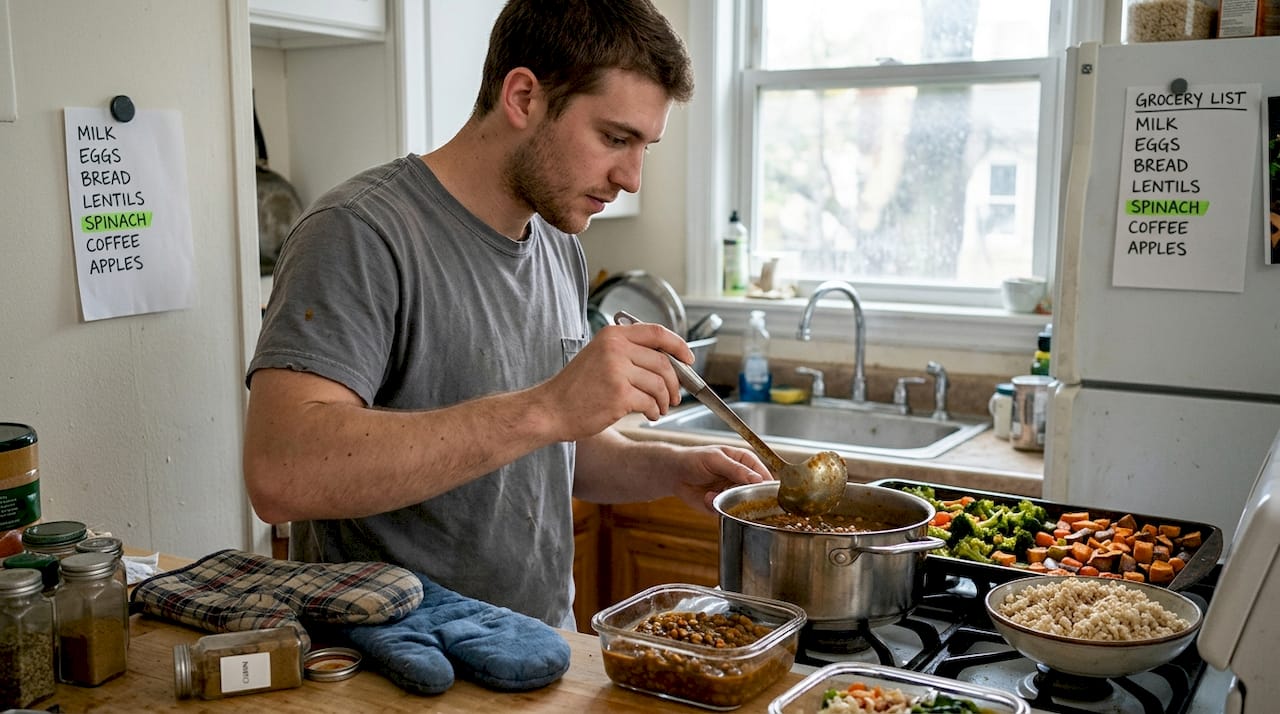
These meals incorporate variety in texture, flavor, and preparation methods. Most use accessible ingredients available at standard grocery stores. Following vegan meal prep tips helps you prepare components in advance, making balanced eating more convenient throughout busy weeks. The free vegan meal plan essentials can guide your weekly planning structure.
Comparing balanced vegan meal options
Evaluating meals across practical dimensions helps you make informed choices. Balanced vegan meals vary in protein density, preparation time, and cost, which matters when building sustainable eating habits.
| Meal Option | Protein (grams) | Prep Time | Cost Estimate | Key Nutrients |
|---|---|---|---|---|
| Tofu scramble breakfast | 22 | 15 minutes | $3-4 | Protein, iron, B vitamins, fiber |
| Buddha bowl lunch | 18 | 25 minutes | $5-6 | Complete protein, omega-3, vitamins A, C, K |
| Black bean tacos | 15 | 20 minutes | $4-5 | Fiber, protein, vitamin C, folate |
| Lentil soup | 16 | 35 minutes | $3-4 | Iron, protein, fiber, B vitamins |
| Stir-fried tofu dinner | 20 | 20 minutes | $5-6 | Calcium, protein, vitamin C, antioxidants |
| Overnight oats | 14 | 5 minutes (plus overnight) | $2-3 | Omega-3, fiber, protein, antioxidants |
Protein content varies based on portion sizes and specific ingredients chosen. Meals featuring tofu, tempeh, or legumes as primary protein sources naturally score higher. Preparation time includes active cooking but not passive time like soaking or marinating. Quick options like overnight oats or smoothie bowls work well for rushed mornings, while soup recipes benefit from batch cooking.
Cost estimates reflect average prices for quality ingredients at standard grocery stores, serving one person. Buying staples like grains, legumes, and nuts in bulk significantly reduces per-meal costs. Seasonal produce and sales can lower expenses further. The trade-off between convenience and nutrition becomes apparent when comparing quick meals to more elaborate preparations.
Nutrient diversity matters as much as any single nutrient. Meals combining multiple food groups deliver broader micronutrient coverage than simpler options. Color variety on your plate generally indicates antioxidant diversity. Understanding these trade-offs helps you balance quick weekday meals with more involved weekend cooking.
Pro Tip: Batch cook grains, legumes, and roasted vegetables on weekends, then mix and match throughout the week to create balanced meals in under 10 minutes while maintaining nutritional quality and controlling costs.
Leveraging meal planning on a budget strategies and considering nutrition for busy professionals helps you optimize both time and money while maintaining nutritional standards.
Choosing the right balanced vegan meal for your lifestyle
Personal factors determine which balanced meals work best for you. Personalized meal planning enhances adherence to balanced vegan diets by tailoring choices to your unique situation. Your selection criteria should include nutritional requirements, taste preferences, budget constraints, time availability, and cooking skill level.
Follow this decision-making framework:
- Assess your specific nutritional needs based on activity level, health goals, and any deficiencies identified through testing or professional consultation
- Identify your taste preferences and cultural food traditions to ensure meals you’ll actually enjoy eating consistently
- Evaluate your realistic time budget for meal preparation, considering both weekday and weekend schedules
- Determine your grocery budget and identify cost-effective protein and produce sources in your area
- Consider your cooking skills and kitchen equipment, starting with simpler recipes if you’re new to plant-based cooking
- Use technology tools like meal planning apps or nutrition trackers to log meals and monitor nutrient intake patterns
- Experiment with new ingredients and recipes weekly to expand your repertoire while noting what works best
- Adjust your meal rotation based on energy levels, satisfaction, and how your body responds to different foods
Technology significantly simplifies this process. Nutrition tracking apps help you identify gaps in your diet, while meal planning platforms suggest recipes based on your preferences and available ingredients. Some tools even generate shopping lists automatically. The personalized meal plans approach uses your individual data to recommend optimal meal combinations.
Setting nutrition goals provides direction for your meal choices. Whether you’re focused on athletic performance, weight management, or general wellness, your goals shape which balanced meals deserve priority in your rotation. Regular reassessment ensures your meal plan evolves with your changing needs and preferences.
Explore personalized nutrition solutions
Taking your vegan nutrition to the next level requires personalized guidance and smart planning tools. Dietium offers comprehensive solutions designed specifically for health-conscious individuals seeking balanced plant-based eating. Our personalized meal plans for every health goal service creates custom vegan meal strategies based on your unique nutritional needs, preferences, and lifestyle factors.
Understanding your current nutritional status forms the foundation for improvement. Dietium’s nutritional assessment methods help identify specific areas where your diet excels and where adjustments could enhance your wellness outcomes. This data-driven approach removes guesswork from meal planning.
Budget concerns shouldn’t prevent optimal nutrition. Our master meal planning on a budget resources show you how to maximize nutritional value while minimizing grocery costs through strategic shopping and preparation techniques. Explore these personalized nutrition solutions to transform your balanced vegan eating from theory into sustainable daily practice.
FAQ
What are the key nutrients to focus on in balanced vegan meals?
Protein, vitamin B12, iron, omega-3 fatty acids, calcium, and fiber represent the most critical nutrients for balanced vegan meals. Protein supports muscle maintenance and satiety, while B12 prevents neurological issues and requires supplementation or fortified foods. Iron from plant sources needs vitamin C for optimal absorption, and omega-3s from flaxseeds or algae support heart and brain health. Adequate calcium from fortified plant milks and leafy greens maintains bone density, while fiber from whole plant foods supports digestive health and blood sugar regulation.
How can I ensure enough protein in a vegan meal?
Include protein-rich plant foods like legumes, tofu, tempeh, seitan, nuts, seeds, and whole grains in every meal. Combining different protein sources throughout the day, such as beans with rice or hummus with whole grain bread, provides complete amino acid profiles. Most balanced vegan meals should contain 15 to 25 grams of protein, achievable through a palm-sized portion of tofu or tempeh, one cup of cooked legumes, or combinations of smaller protein sources. Check out best protein sources for vegans for detailed guidance on meeting your protein needs efficiently.
What are some easy balanced vegan meal prep tips?
Batch cook grains like quinoa, brown rice, and farro along with legumes such as lentils, chickpeas, and black beans at the beginning of each week. Store these staples in separate containers, then mix and match with fresh or roasted vegetables, sauces, and toppings to create varied meals quickly. Use versatile ingredients that work across multiple dishes, like tahini for dressings and dips or nutritional yeast for savory flavor. Include variety in color and texture by preparing both raw and cooked vegetables, crunchy nuts, and creamy sauces to keep meals interesting. Visit vegan meal prep tips for comprehensive preparation strategies that save time while maintaining nutritional quality.
How do I balance cost and nutrition in vegan meals?
Prioritize affordable nutrient-dense staples like dried beans, lentils, oats, rice, seasonal vegetables, and frozen produce that offer excellent nutrition per dollar. Buy nuts, seeds, and specialty items in bulk from discount stores or online retailers to reduce costs significantly. Plan meals around what’s on sale and in season, then batch cook to minimize both time and energy expenses. Generic or store-brand fortified plant milks, nutritional yeast, and whole grains provide the same nutritional value as premium brands at lower prices. Investing time in home cooking rather than purchasing prepared vegan products dramatically reduces costs while giving you complete control over ingredients and nutrition.
Can balanced vegan meals support athletic performance?
Absolutely, with proper planning around increased caloric and protein needs. Athletes require more protein, typically 1.2 to 2.0 grams per kilogram of body weight, easily achievable through strategic meal composition with legumes, tofu, tempeh, and plant-based protein powders. Timing matters: consuming protein and carbohydrates within 30 to 60 minutes post-workout supports recovery and muscle building. Include adequate calories from whole food sources, emphasizing complex carbohydrates for energy and healthy fats for hormone production and inflammation management. Many successful athletes thrive on balanced vegan diets by paying attention to nutrient timing, adequate calorie intake, and strategic supplementation of B12, vitamin D, and potentially creatine.


