 Skip to content

Introduction
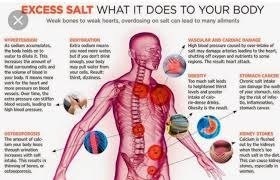
Sodium and blood pressure have a well-established connection that impacts millions worldwide. Too much sodium (primarily from salt) is a leading cause of high blood pressure, a major risk factor for heart disease, stroke and kidney problems. When too much sodium is consumed, the body holds onto water to dilute it and blood volume increases, putting excess strain on blood vessels and the heart..
Monitoring sodium and blood pressure is essential for long-term cardiovascular health. Groups like the American Heart Association suggest constraining sodium to avoid or control high blood pressure.
In this article, we’ll answer common questions such as: Does sodium increase heart rate? How does salt increase blood flow? Is sea salt ok for high blood pressure? Does sugar affect blood pressure? Which salt is good for hypertension? We’ll also explore everyday choices like peanut butter good for high blood pressure and provide practical tips for better control.
Making small changes to your sodium intake can significantly improve your blood pressure and overall heart health.
What Is Sodium and Its Role in the Body
Sodium is a critical electrolyte and the main ingredient in table salt (sodium chloride). It performs key functions in the body, such as maintaining fluid balance, nerve signaling, muscle contractions and blood pressure regulation.
In the right quantity, sodium is what helps maintain stable blood pressure. But too much sodium throws this system out of wack. When the sodium content in blood is too high, the kidneys hold on to water and increase the total volume of blood in circulation, prompting an increase in blood pressure. Over time, this can tax the heart and injure blood vessels.
High sodium intake can also reduce blood vessel flexibility, promote inflammation, and contribute to heart enlargement. This is why managing sodium and blood pressure is so important.
Most people consume far more sodium than needed—often 3,400 mg daily—compared to the recommended limit. The good news is that balancing sodium with potassium-rich foods can help counteract negative effects, as potassium encourages sodium excretion and relaxes blood vessels.
Understanding the dual role of sodium highlights the importance of moderation for optimal blood pressure and cardiovascular health.

How Sodium Affects Blood Pressure
The main way salt raises blood pressure is through fluid retention. Excess sodium causes the body to hold onto water, increasing blood volume and forcing the heart to pump harder.
Many people wonder: How does salt increase blood flow? Actually, high salt doesn’t improve healthy blood flow—it can cause blood vessels to constrict and become stiffer, increasing resistance and further elevating blood pressure.
The physiological basis is the renin-angiotensinaldosterone system. In people who are sensitive to salt, about half of those with hypertension, the kidneys have trouble getting rid of excess sodium and maintaining balance in the body’s fluids, so they hold on to extra water and the volume is expanded — along with blood pressure.
In the short-term, a high-sodium meal can raise blood pressure within hours. Persistent, long-term high sodium intake destroys arteries, leads to plaque buildup and stresses the heart.
That can come down to variables such as age, genes, weight and even ethnicity that affect sensitivity to salt. Clinical trials, including the DASH-Sodium trial, demonstrate that blood pressure is reduced when sodium is restricted and to a greater extent among people with hypertension.
In essence, excess salt impacts sodium and blood pressure primarily through volume expansion and vascular changes, increasing the risk of hypertension and heart disease.
Does Sodium Increase Heart Rate?
Yes, Sodium can increase heart rate, but usually indirectly. Here’s how:
- Fluid retention: High sodium causes your body to hold onto water, increasing blood volume.
- Blood pressure rise: More blood volume can raise blood pressure, making the heart work harder.
- Heart workload: As your heart works harder to pump the extra fluid, your heart rate can slightly increase.
A common question is: Does sodium increase heart rate?
The relationship between sodium and heart rate is not as straightforward compared with blood pressure. The effect of high sodium on blood pressure is mainly through fluid and volume retention but its effects on heart rate are divergent.
A High-Salt diet possibly reduces the resting heart rate somewhat because of higher blood volume and parasympathetic activity. But in those who are sensitive to salt, the surplus can activate the sympathetic nervous system and increase heart rate, particularly during the day.
Acute symptoms include transient palpitations or the sensation of a pounding heart as the overworked heart tries to pump against high blood concentrations of salt. Over the long term, consistent high blood pressure from sodium can cause the heart to remodel and beat in irregular rhythms.
Short term effects are generally minimal and short lived, while long-term risks more concern hypertension/heart strain.
Overall, while sodium does not necessarily raise one’s heart rate across the board, lowering your intake helps maintain healthy overall heart function and manage blood pressure.
Sugar and Blood Pressure Connection
Too much sugar can raise blood pressure by causing weight gain, water retention, and insulin resistance.
Another important factor: Does sugar affect blood pressure?
Yes—eating too much added sugar does impact blood pressure, and it often does so even when sodium intake is not a factor. Added sugar, and in particular fructose (as it is found in sweetened drinks), contributes to weight gain, insulin resistance and inflammation — all factors that underlie high blood pressure.
It makes the body hold onto sodium better and stiffens arteries. Research has shown that consuming sugar-sweetened beverages can lead to a higher level of both systolic and diastolic blood pressure.
Processed foods often combine high sugar and high sodium, worsening the effect on sodium and blood pressure. Reducing added sugars has been shown to lower blood pressure similarly to cutting sodium.
Natural sugars in whole fruits are less worrisome due to the presence of fiber and potassium. Yet added sugars are totally empty calories and a direct metabolic stress.
If you’re managing blood pressure, the key is to minimize sugar and sodium as much as possible, especially if you have metabolic syndrome or a risk for diabetes.
Types of Salt and Hypertension
Two frequent questions: Which salt is good for hypertension? Is sea salt ok for high blood pressure?
The fact is, all salts — table, sea, Himalayan — are primarily sodium chloride (97 to 99 percent sodium). There is no real winner when it comes to blood pressure if you have the same amount in your glass of type. The bottom line is the total amount of sodium consumed matters most.
Table Salt: Over-refined, frequently iodized, anti-caking agents.
Sea Salt: Sea salt is produced by evaporating seawater, often with small grains and minor elements such as magnesium and potassium. A little less sodium by volume (because its crystals are bigger) but virtually the same by weight.
Himalayan Pink Salt: An ancient salt mined with trace iron and other minerals that give this untreated sea salt its rich, beautiful color. Frequently promoted as healthier, but the concentration of minerals you actually get is minuscule and has not been proved to have any effects on blood pressure.
Studies indicate that the type of salt does not matter when it comes to impact on your blood pressure. There’s scant strong evidence that sea salt or Himalayan is any better for high blood pressure.
For hypertension, the optimum salt intervention may be not using so much of it, and paying attention to potassium-enhanced products where readily available.
| Type of Salt | Sodium Content (per tsp) | Processing | Trace Minerals | Better for Hypertension? |
| Table Salt | ~2,300 mg | Highly refined, iodized | Minimal | No special advantage |
| Sea Salt | ~2,000–2,300 mg | Minimal processing | Some (Mg, K, Ca) | Not better than table salt |
| Himalayan Pink Salt | ~2,200 mg | Mined, unrefined | Trace elements | Myths only; same sodium risk |
Focus on total sodium rather than type when managing sodium and blood pressure.

Foods and Sodium Control
Controlling sodium and blood pressure starts with smarter food choices:
- Always read labels—choose “low-sodium” (<140 mg per serving).
- Avoid processed and restaurant foods (source of 75% of sodium).
- Opt for fresh fruits, vegetables, lean proteins, and whole grains.

A common query: Is peanut butter good for high blood pressure?
Yes—unsalted or low-sodium peanut butter can be beneficial. It’s rich in healthy monounsaturated fats, protein, potassium, and magnesium, all of which support healthy blood pressure. Studies show regular nut consumption (including peanuts) is linked to lower hypertension risk.
Avoid regular salted peanut butter, which adds 100–200 mg sodium per tablespoon.
Practical tips:
- Use herbs, spices, garlic, lemon, or vinegar for flavor instead of salt.
- Rinse canned beans and vegetables to remove excess sodium.
- Snack smart: fresh fruit, unsalted nuts, plain yogurt, or low-sodium peanut butter on celery.
- Cook at home to control ingredients.
Sample low-sodium day: Oatmeal with fruit breakfast, grilled chicken salad lunch, baked salmon with veggies dinner.
Small swaps make a big difference in managing sodium and blood pressure.
Lifestyle Tips to Manage Blood Pressure
Diet is key, but lifestyle amplifies results:
- Regular exercise (150 minutes moderate activity weekly) can lower blood pressure by 5–8 mmHg.
- Stay hydrated—water helps kidneys flush excess sodium.
- Manage stress with meditation, yoga, or deep breathing.
- Maintain healthy weight—losing even 5–10% body weight helps significantly.
- Limit alcohol and quit smoking for better vessel health.
- Follow the DASH diet, rich in potassium and low in sodium.
Monitor blood pressure at home to track progress.
Combining reduced sodium, balanced sugar, and active habits offers the best protection against hypertension.
ow Much Sodium Is Safe?
Recommended daily sodium intake:
- American Heart Association: Ideally ≤1,500 mg for people with high blood pressure, maximum 2,300 mg for others.
- WHO: <2,000 mg per day.
That’s roughly 1 teaspoon of salt at the higher limit.
For hypertension or heart risks, aiming lower yields greater benefits.
Balance sodium with potassium (goal 4,700 mg/day from foods like bananas, spinach, potatoes). A lower sodium-to-potassium ratio supports healthy blood pressure.
Even cutting 1,000 mg sodium daily can meaningfully lower blood pressure.
Conclusion
Excess sodium and blood pressure are closely linked through fluid retention, vessel strain, and heart workload. Added sugar worsens the problem, while no salt type (sea salt, Himalayan, or table) is truly better for hypertension.
The solution lies in moderation: reduce total sodium, choose low-sodium foods like unsalted peanut butter, limit added sugar, and adopt heart-healthy habits.
Read labels, cook fresh meals, stay active, and monitor your numbers. These changes can significantly lower blood pressure and reduce cardiovascular risk.
Start today—your heart will thank you.
FAQ Section
Does sea salt help with high blood pressure?
No. Sea salt contains nearly the same sodium as table salt. Trace minerals don’t provide meaningful benefits for blood pressure.
Is peanut butter good for high blood pressure?
Yes—choose low-sodium or unsalted peanut butter. It offers potassium, healthy fats, and protein that support blood pressure control.
How much sodium is safe per day?
Ideally 1,500 mg (for hypertension), maximum 2,300 mg according to AHA guidelines.
Does sugar affect blood pressure?
Yes. Added sugar promotes obesity, insulin resistance, and inflammation, raising blood pressure independently of sodium.
Which salt is good for hypertension?
No salt is inherently best. All types are high in sodium. Focus on reducing overall intake and using herbs for flavor.
Recommend Post:
Low Blood Sodium and Alcohol: Causes, Risks & Prevention
Blood Sodium Level: How to Check Blood Sodium Levels at Home Safely
Does Salt Dehydrate You? How to Get Electrolytes and Stay Hydrated


