 Skip to content

Research shows that nearly one in five American adults regularly skips breakfast, leading to lower energy and less stable blood sugar throughout the day. Breakfast is more than a daily routine—it is a biological reset that shapes metabolism, cognitive sharpness, and energy levels for the hours ahead. Understanding how this first meal works can help you make smarter choices for lasting wellness, whether you crave classic American favorites or seek modern nutritional strategies.
Table of Contents
- Defining Breakfast and Its Essential Role
- How Breakfast Impacts Metabolism and Energy
- Breakfast and Weight Management Strategies
- Nutrient Timing: When and What to Eat
- Risks of Skipping Breakfast and Alternatives
Key Takeaways
| Point | Details |
|---|---|
| Importance of Breakfast | Breakfast is essential for metabolic processes, energy regulation, and overall physiological function. Consuming a balanced breakfast can enhance cognitive function and sustain energy levels throughout the day. |
| Nutrient Composition Matters | A balanced breakfast should include proteins, complex carbohydrates, and healthy fats to optimize metabolism and energy stability. The right combinations can prevent energy crashes and support hormone regulation. |
| Impact on Weight Management | Breakfast consumption does not guarantee weight loss; personalized approaches considering individual metabolic responses are crucial for effective weight management. Finding an appropriate breakfast strategy can influence daily energy levels and appetite control. |
| Avoiding Breakfast Risks | Skipping breakfast can lead to disrupted blood glucose regulation and decreased energy, making it important to establish consistent and nutritious morning eating habits. Alternative quick options can ensure nutritional intake without extensive preparation. |
Defining Breakfast and Its Essential Role
Breakfast represents more than just a morning meal – it’s a foundational element of daily wellness that literally breaks the overnight fast and kickstarts metabolic processes. The first nutritional intake of the day plays a critical role in regulating energy, managing hunger, and supporting overall physiological function.
At its core, breakfast involves consuming nutrients after 8-12 hours of nighttime metabolic rest. Scientifically, this meal triggers important biological signals that help reset your body’s energy systems, stimulate metabolism, and provide essential fuel for morning activities. Research indicates that breakfast consumption influences appetite regulation and energy balance, making it a strategic component of maintaining healthy body weight and sustained performance.
Beyond simple nutrition, breakfast serves multiple physiological functions. It replenishes glucose stores depleted during sleep, provides necessary micronutrients, and helps stabilize blood sugar levels. The meal’s composition matters significantly – a balanced breakfast featuring proteins, complex carbohydrates, and healthy fats can enhance cognitive function, improve concentration, and prevent mid-morning energy crashes.
Here is a comparison of common breakfast macronutrients and their metabolic roles:
| Macronutrient | Main Function | Example Breakfast Source |
|---|---|---|
| Protein | Supports muscle repair | Eggs, Greek yogurt, nuts |
| Complex Carbohydrate | Provides sustained energy | Oatmeal, whole grain toast |
| Healthy Fat | Aids hormonal balance | Avocado, seeds, nut butters |
Pro Tip – Morning Fuel Strategy: Design your breakfast to include a protein source, complex carbohydrate, and a small serving of healthy fat to maximize sustained energy and metabolic optimization.
How Breakfast Impacts Metabolism and Energy
Breakfast plays a pivotal role in modulating metabolic processes and energy dynamics throughout the day. Scientific research on glucose and insulin responses indicates that morning nutrition significantly influences how our body processes energy and manages blood sugar levels. The composition of this first meal can determine metabolic efficiency, with strategic nutrient selection potentially mitigating risks of metabolic disorders.

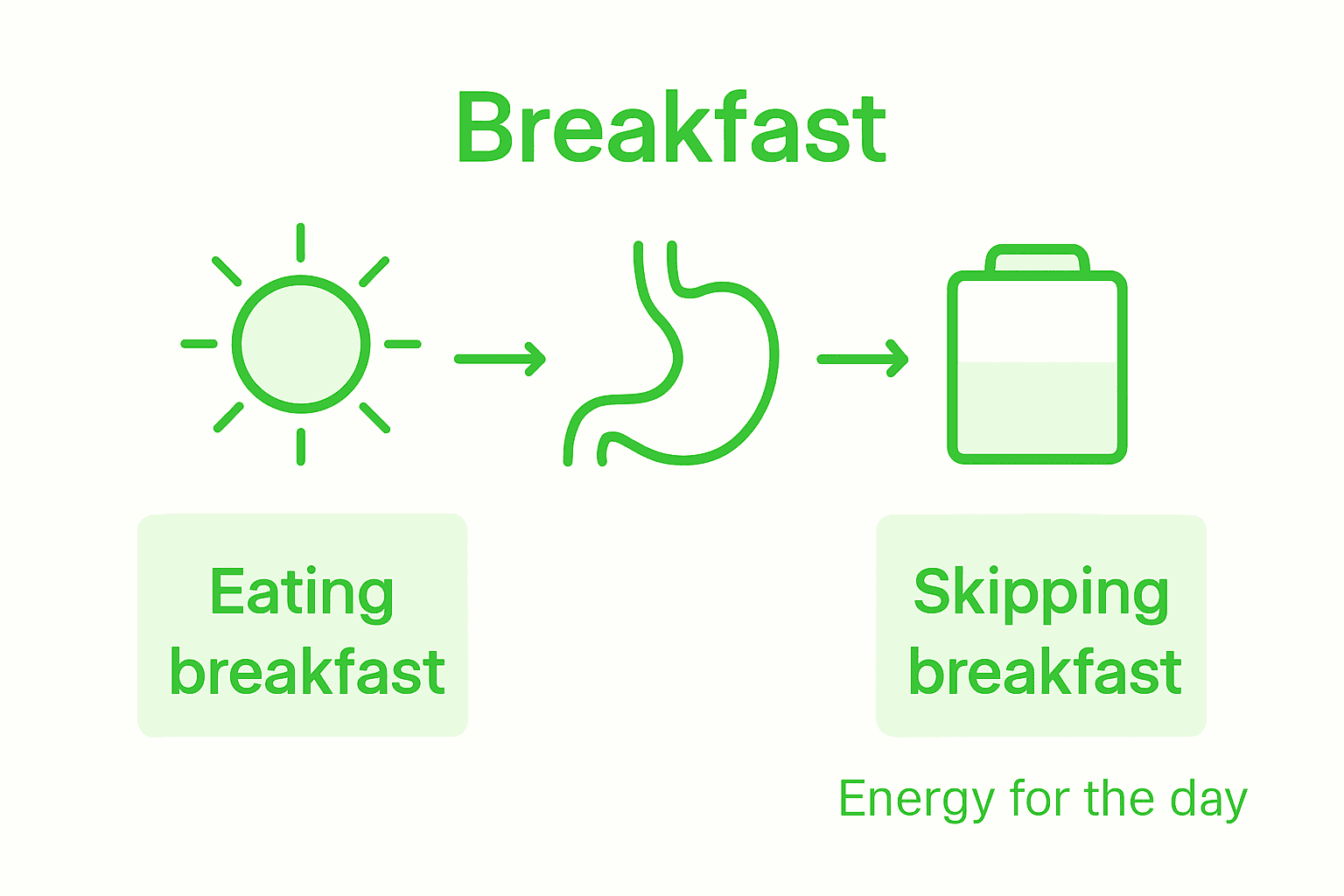
The metabolic impact extends beyond immediate energy production. When you consume a balanced breakfast, your body initiates complex biochemical processes that regulate hormone levels, stimulate metabolism, and prepare physiological systems for daily activities. Nutritional studies suggest that breakfast omission can disrupt blood glucose regulation, potentially creating sustained metabolic challenges even if overall energy expenditure remains consistent.
Understanding metabolic responses requires recognizing breakfast’s nuanced role. Different macronutrient combinations trigger distinct metabolic pathways – proteins stimulate muscle protein synthesis, complex carbohydrates provide sustained energy, and healthy fats support hormonal balance. The strategic timing and composition of breakfast can essentially “program” your metabolic performance for the entire day, influencing everything from cognitive function to physical endurance.
Complex metabolic processes are sensitive to nutritional timing. A well-structured breakfast helps reset overnight fasting metabolic states, jump-starting your body’s energy production mechanisms and establishing a stable metabolic foundation. This morning reset is crucial for maintaining consistent energy levels and supporting overall physiological efficiency.
This overview summarizes potential outcomes of different breakfast habits:
| Breakfast Habit | Metabolic Impact | Common Energy Effect |
|---|---|---|
| Consistent, balanced | Stable glucose, efficient metabolism | Sustained, steady energy |
| Skipping breakfast | Glucose instability, slower response | Low energy, late-day fatigue |
| High sugar breakfast | Rapid glucose spike, crash risk | Initial boost, quick crash |
Pro Tip – Metabolic Optimization: Select breakfast foods that combine lean proteins, complex carbohydrates, and healthy fats to create a balanced metabolic trigger that supports sustained energy and metabolic health.
Breakfast and Weight Management Strategies
Weight management involves complex nutritional dynamics, and breakfast plays a nuanced role in this process. Systematic reviews of randomized controlled trials challenge traditional assumptions about breakfast and weight loss, revealing that simply consuming breakfast does not guarantee weight reduction. The relationship between morning eating habits and body weight is more intricate than previously believed.
Traditional dietary wisdom suggested that breakfast jumpstarts metabolism and prevents overeating later in the day. However, contemporary research presents a more sophisticated perspective. Intervention studies demonstrate potential variations in daily energy intake when breakfast patterns are modified, indicating that individual metabolic responses can differ significantly.
Effective weight management strategies require personalized approaches. While some individuals might benefit from a hearty morning meal, others might find intermittent fasting or lighter breakfasts more conducive to their metabolic needs. The key is understanding your unique physiological responses and selecting nutrient-dense foods that support sustained energy and prevent excessive calorie consumption throughout the day.
Successful weight management transcends simple meal timing. Factors like macronutrient composition, portion control, overall daily caloric intake, and individual metabolic variations play crucial roles. A breakfast rich in proteins, complex carbohydrates, and healthy fats can help regulate hunger hormones, stabilize blood sugar, and provide sustained energy without unnecessary caloric surplus.
Pro Tip – Personalized Nutrition Strategy: Experiment with different breakfast compositions and timing to discover the approach that best supports your individual metabolic needs and weight management goals.
Nutrient Timing: When and What to Eat
Nutrient timing represents a sophisticated approach to meal planning that goes beyond simple calorie counting. Research indicates that breakfast quality significantly impacts overall health outcomes, emphasizing that not all morning meals are created equal. The types and composition of foods consumed during early hours can dramatically influence energy levels, metabolic responses, and long-term wellness.
The intricate relationship between meal timing and physiological performance is increasingly understood through advanced nutritional science. Exercise and nutritional interactions reveal complex metabolic adaptations, demonstrating that the body’s response to nutrients changes based on activity levels and timing. Morning nutritional strategies should consider individual metabolic variations, activity patterns, and specific health goals.
Optimal nutrient timing involves strategic macronutrient selection and consumption windows. Protein-rich foods with low glycemic loads provide sustained energy and support muscle maintenance, while complex carbohydrates offer steady glucose release. The goal is creating a balanced nutritional profile that supports metabolic efficiency, prevents energy crashes, and maintains consistent performance throughout the day.
Individualized nutrition requires understanding personal metabolic signals and adapting meal strategies accordingly. Factors like age, activity level, metabolic health, and specific fitness objectives play crucial roles in determining the most effective nutrient timing approach. Some individuals might benefit from earlier, protein-dense meals, while others might find success with later, lighter breakfast options.
Pro Tip – Personalized Nutrition Mapping: Experiment with different breakfast compositions and timing, tracking your energy levels, hunger patterns, and overall performance to design a nutrition strategy uniquely suited to your body’s metabolic rhythms.
Risks of Skipping Breakfast and Alternatives
Skipping breakfast can trigger significant metabolic disruptions that extend far beyond simple hunger pangs. Emerging research demonstrates that morning meal omission potentially compromises blood glucose regulation, creating cascading physiological challenges that impact overall health and daily performance.
Blood Sugar Management emerges as a critical concern for breakfast skippers. Scientific investigations reveal that breakfast consumption plays a crucial role in improving glucose and insulin responses, suggesting that strategic morning nutrition can mitigate potential metabolic risks. Individuals who consistently bypass breakfast may experience unstable blood sugar levels, decreased energy, and potential long-term metabolic complications.
For those struggling with traditional breakfast formats, several alternatives can provide nutritional insurance. Quick options like protein smoothies, overnight chia puddings, hard boiled eggs, Greek yogurt with nuts, or portable protein bars offer rapid nutrient delivery without extensive preparation. These alternatives ensure metabolic continuity and provide essential macronutrients that support sustained energy and cognitive function.
Individualized breakfast strategies should consider personal schedules, dietary preferences, and metabolic needs. Some individuals might benefit from smaller, nutrient-dense morning meals, while others may require more substantial morning nutrition. The key is consistency and strategic nutrient selection that aligns with individual physiological requirements and lifestyle demands.
Pro Tip – Breakfast Optimization: Prepare grab-and-go breakfast alternatives the night before to eliminate morning preparation barriers and ensure consistent nutritional intake.
Elevate Your Breakfast Routine for Lasting Wellness
The article highlights how crucial breakfast is for regulating metabolism, maintaining energy levels, and supporting weight management. Yet, the challenge many face is designing a personalized breakfast that balances proteins, complex carbohydrates, and healthy fats to optimize metabolic performance and prevent energy crashes. If you struggle with crafting breakfast meals that fit your unique metabolism or goal, you are not alone.
Discover tailored strategies with Recipians, the core feature at Dietium.com, where personalized meal plans and smart recipe suggestions align with your individual nutritional needs. Our advanced AI-powered tools help you track key body metrics such as BMI, body fat, and calorie requirements, empowering you to make breakfast choices that sustain energy and support your long-term wellness goals.
Why wait to transform your mornings? Start today with customized guidance that helps you:
- Optimize your nutrient timing
- Balance macronutrients for metabolic health
- Find easy, delicious breakfast alternatives that fit your lifestyle
Unlock the power of a balanced breakfast and build a foundation for healthier living now with Dietium’s Recipians app. Take control of your daily wellness journey by visiting us and experiencing the difference personalized nutrition can make.
Frequently Asked Questions
What is the role of breakfast in daily wellness?
Breakfast breaks the overnight fast, kickstarting metabolism and providing essential nutrients for energy, cognitive function, and overall physiological health.
How does breakfast affect metabolism and energy levels?
A balanced breakfast stabilizes blood sugar levels and enhances metabolic processes, resulting in sustained energy throughout the day and improved cognitive performance.
Can skipping breakfast impact weight management?
Yes, skipping breakfast can lead to glucose instability, which may result in increased hunger and overeating later in the day. It’s important to find a breakfast strategy that aligns with your metabolism and weight management goals.
What are some healthy breakfast options that support metabolic health?
Healthy breakfast options should include a balance of proteins (like eggs or yogurt), complex carbohydrates (like oatmeal or whole-grain toast), and healthy fats (like avocado or nuts) to maximize energy and metabolic efficiency.


