 Skip to content

Over half of american adults struggle to identify which foods truly support lasting health. The confusion around whole food diets and processed nutrition often leads to common misconceptions that shape daily eating patterns. By looking at what sets whole foods apart and clearing up widespread myths, this article guides readers toward a more balanced and nutrient-rich approach to wellness.
Table of Contents
- Whole Food Diet Explained And Misconceptions
- Essential Nutrients In Whole Foods
- Comparing Whole Foods To Processed Diets
- Health Impacts Of Whole Food Diets
- Potential Risks And Transition Challenges
Key Takeaways
| Point | Details |
|---|---|
| Whole Food Benefits | Whole foods offer dense nutrition, including essential vitamins, minerals, and fibers that processed foods lack. They are crucial for overall health and wellness. |
| Nutrient Composition | Whole foods contain complex interactions of nutrients that enhance absorption and support bodily functions, unlike processed foods that are nutrient-poor. |
| Chronic Disease Prevention | Consuming a whole food diet can significantly lower the risk of chronic diseases by promoting metabolic health and reducing inflammation. |
| Transition Challenges | Adopting a whole food diet may require strategic planning to avoid nutrient deficiencies and to overcome psychological and social adaptation challenges. |
Whole Food Diet Explained and Misconceptions
A whole food diet represents a nutritional approach focused on consuming foods in their most natural, unprocessed state. Unlike typical processed meals that strip away essential nutrients, whole foods offer a comprehensive nutritional profile that supports overall wellness. Nutrient dense foods form the foundation of this dietary strategy, emphasizing ingredients that retain their original cellular structure and maximum nutritional value.
The core principle of whole food nutrition centers on consuming minimally altered ingredients that provide maximum health benefits. These foods are characterized by their complex nutrient composition, containing naturally occurring vitamins, minerals, fiber, and phytonutrients that work synergistically within the body. Unlike refined alternatives, whole foods deliver nutrients in their most bioavailable form, ensuring optimal absorption and metabolic efficiency.
Misconceptions about whole food diets often prevent individuals from adopting this nutritionally powerful approach. Many people mistakenly believe such diets lack protein or are overly restrictive. However, healthy eating strategies demonstrate that plant-based and whole food diets can provide comprehensive nutrition when thoughtfully planned. Protein sources like legumes, nuts, seeds, and whole grains offer substantial amino acid profiles, while complex carbohydrates provide sustained energy and essential fiber.
Key characteristics of a whole food diet include:
- Prioritizing fruits, vegetables, whole grains, and unprocessed proteins
- Minimizing refined sugars and artificial additives
- Focusing on ingredients with minimal processing
- Consuming foods as close to their natural state as possible
- Emphasizing nutrient diversity and quality over caloric content
By understanding these principles, individuals can transform their nutritional approach, promoting long-term health and wellness through intentional, nutrient-rich food choices.
Essential Nutrients in Whole Foods
Whole foods represent a nutritional powerhouse, delivering essential nutrients that are critical for optimal human health. These natural, unprocessed foods provide a comprehensive blend of micronutrients and macronutrients that support bodily functions far more effectively than isolated supplements. Micronutrient deficiency can significantly impact overall wellness, making whole food consumption an essential strategy for maintaining nutritional balance.
Nutrients found in whole foods are categorized into fundamental groups that work synergistically to support physiological processes. Carbohydrates provide energy, proteins support tissue repair and muscle development, and healthy fats facilitate cellular function and hormone production. Vitamins and minerals play crucial roles in metabolism, immune response, and cellular regeneration. The intricate combination of these nutrients in whole foods ensures optimal absorption and utilization by the human body.
The body requires six primary categories of essential nutrients that cannot be independently produced: proteins, carbohydrates, fats, vitamins, minerals, and water. Whole foods naturally package these nutrients in balanced proportions, creating a more effective nutritional profile compared to processed alternatives. Complex carbohydrates from whole grains, complete proteins from legumes, and healthy fats from nuts and seeds demonstrate how diverse whole food sources can meet comprehensive nutritional needs.
Key nutrients found in whole foods include:
- Proteins: Building blocks for muscle, enzyme, and hormone production
- Complex carbohydrates: Sustained energy and dietary fiber
- Healthy fats: Cellular membrane support and hormone regulation
- Vitamins: Essential for metabolic processes and immune function
- Minerals: Critical for bone health, nerve signaling, and enzymatic reactions
Understanding the nutritional complexity of whole foods empowers individuals to make informed dietary choices that support long-term health and wellness.
Comparing Whole Foods to Processed Diets
The nutritional landscape dramatically shifts when comparing whole foods to processed diets, revealing stark differences in health impact and nutrient composition. Processed foods undergo extensive manufacturing processes that strip away essential nutritional elements, creating products that are often calorie-dense but nutrient-poor. Healthy food swaps can dramatically improve dietary quality by replacing refined ingredients with whole, minimally processed alternatives that retain their natural nutritional integrity.

Nutrient composition represents the most significant divergence between whole and processed foods. Whole foods maintain their original cellular structure, preserving complex nutrient interactions that support optimal bodily functions. Processed foods, conversely, are systematically stripped of fiber, vitamins, and minerals during manufacturing, leaving behind simplified carbohydrates, added sugars, and artificial preservatives. These refined products often lack the synergistic nutrient combinations that naturally occur in unprocessed foods, reducing their overall nutritional effectiveness.
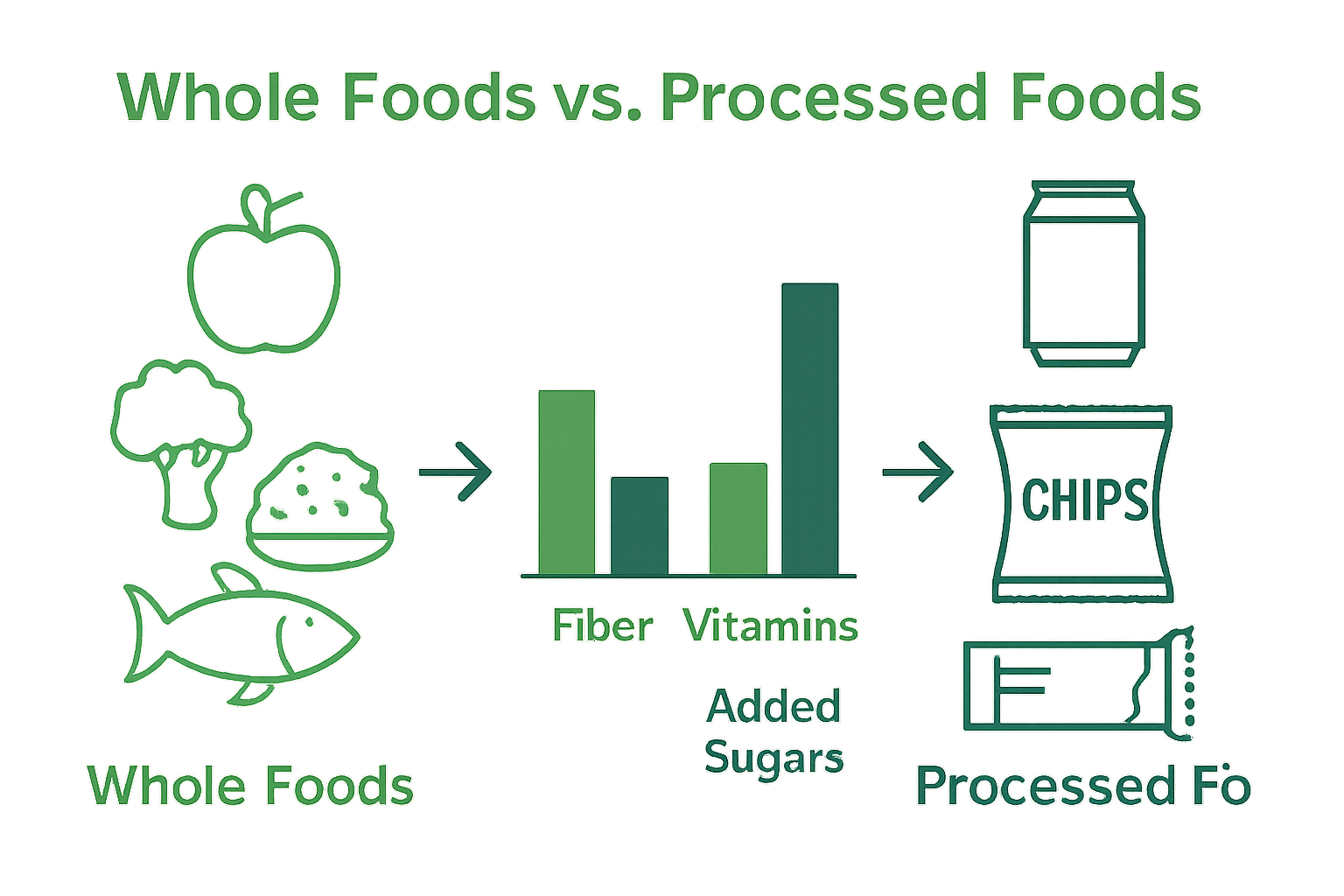
The health implications of sustained processed diet consumption are profound. Refined foods typically contain higher levels of sodium, sugar, and unhealthy fats, which can contribute to chronic health conditions like obesity, diabetes, and cardiovascular disease. Whole foods, in contrast, provide a balanced nutritional profile that supports metabolic health, immune function, and cellular regeneration. The intricate network of nutrients in whole foods works collaboratively to enhance absorption and provide comprehensive nutritional support.
Key differences between whole and processed foods include:
- Nutrient Density: Whole foods maintain complete nutritional profiles
- Fiber Content: Unprocessed foods provide natural, intact dietary fiber
- Chemical Additives: Processed foods often contain artificial preservatives
- Glycemic Impact: Whole foods create more stable blood sugar responses
- Micronutrient Preservation: Natural foods retain essential vitamins and minerals
Choosing whole foods represents a proactive approach to nutrition, empowering individuals to make dietary decisions that support long-term health and wellness.
Health Impacts of Whole Food Diets
Whole food diets represent a transformative approach to nutrition, delivering comprehensive health benefits that extend far beyond basic sustenance. Chronic disease prevention emerges as a primary advantage, with research consistently demonstrating the profound impact of nutrient-rich dietary patterns. Sustainable eating habits play a critical role in creating long-term wellness strategies that support both individual health and environmental sustainability.
Research indicates that whole food diets can significantly reduce the risk of numerous chronic health conditions. The natural combination of nutrients, fiber, and bioactive compounds supports metabolic health, reduces systemic inflammation, and enhances the body’s natural defense mechanisms. Individuals consuming predominantly whole foods experience improved immune function, more stable blood sugar levels, and enhanced cellular repair processes, which contribute to overall physiological resilience.
The complex nutritional profile of whole foods provides multilayered health protection. By delivering a comprehensive range of micronutrients, antioxidants, and essential compounds, these diets support cardiovascular health, optimize metabolic processes, and potentially reduce the risk of age-related degenerative conditions. The synergistic interaction of nutrients found in whole foods creates a protective nutritional environment that processed diets cannot replicate.
Specific health impacts of whole food diets include:
- Reduced Inflammation: Natural compounds that minimize chronic inflammatory responses
- Improved Metabolic Function: Enhanced insulin sensitivity and energy metabolism
- Enhanced Immune Response: Better cellular defense and disease resistance
- Weight Management: More effective appetite regulation and nutritional balance
- Cardiovascular Protection: Lower risks of heart disease and stroke
Embracing a whole food dietary approach represents a proactive strategy for comprehensive health optimization and long-term wellness.
Potential Risks and Transition Challenges
Transitioning to a whole food diet involves strategic navigation of potential nutritional challenges and personal adaptation processes. Dietary transitions require careful planning and awareness to ensure comprehensive nutritional balance and sustainable lifestyle modifications. Lifestyle changes for health play a crucial role in successfully implementing dietary shifts while maintaining optimal physiological functioning.
Nutrient acquisition represents a primary concern during whole food diet transitions. Certain essential nutrients like vitamin B12, vitamin D, and complete protein combinations may require intentional strategic planning. Individuals must be proactive in identifying potential nutritional gaps, potentially incorporating targeted supplementation or carefully selected food combinations to maintain comprehensive nutritional profiles. The complexity of nutrient absorption means that simply consuming whole foods does not automatically guarantee complete nutritional coverage.
Psychological and behavioral challenges often accompany significant dietary transformations. Many individuals experience initial resistance, taste adaptation periods, and social complexity when modifying established eating patterns. Meal preparation, ingredient selection, and developing new culinary skills can feel overwhelming, potentially leading to dietary fatigue or inconsistent implementation. Understanding these potential psychological barriers is crucial for creating sustainable long-term dietary habits that support overall wellness.
Key potential risks and challenges include:
- Nutrient Deficiency: Potential gaps in essential vitamin and mineral intake
- Social Adaptation: Navigating dietary changes in social and family contexts
- Culinary Learning Curve: Developing new cooking and meal preparation skills
- Taste Preference Adjustment: Retraining palate and flavor expectations
- Nutritional Complexity: Understanding balanced whole food combinations
Successful dietary transitions demand patience, education, and a strategic approach to personal nutrition and wellness.
Unlock the Full Potential of a Whole Food Diet for Your Health Journey
Transitioning to a whole food diet can be challenging. The article highlights common concerns like nutrient gaps, social adjustments, and mastering new cooking skills. If you want to overcome these hurdles and enjoy the powerful health benefits such as reduced inflammation and improved metabolism you need tailored support that helps you stay on track and nourished with the right nutrient combinations.
Take control of your wellness with Dietium’s Recipians app. Our personalized meal plans, recipe suggestions, and fitness routines make embracing whole foods simple and sustainable. Use our AI-powered tools to monitor your nutrient intake and body metrics while accessing video consultations for expert guidance. Start today to experience how convenient and effective a whole food lifestyle can be by visiting Dietium Recipians and empower your health transformation now.
Frequently Asked Questions
What are the core principles of a whole food diet?
A whole food diet emphasizes consuming minimally processed foods that retain their natural nutrients, including fruits, vegetables, whole grains, and unprocessed proteins, while minimizing refined sugars and artificial additives.
How does a whole food diet differ from a processed diet?
Whole foods maintain their original nutritional profiles, while processed foods often lack essential nutrients due to extensive manufacturing, leading to products that are calorie-dense but nutrient-poor.
What are the health benefits of a whole food diet?
A whole food diet can reduce chronic disease risk, improve metabolic function, enhance immune responses, and aid in weight management by providing balanced nutrition and minimizing inflammation.
What challenges might one face when transitioning to a whole food diet?
Challenges may include nutrient deficiencies if not properly planned, social adaptation to new eating habits, a culinary learning curve, and taste preference adjustments as one becomes accustomed to whole foods.
Recommended
- 7 Must-Know Nutrient Dense Foods List for Better Health – Dietium
- 7 Essential Superfoods for Vegans and Their Health Benefits – Dietium
- Understanding What is Balanced Nutrition for Everyone – Dietium
- Understanding Healthy Eating Strategies for a Better You – Dietium
- Understanding Holistic Dog Nutrition for Healthier Pets – Ultimate Pet Foods
- Why Beauty Inside Out: Complete Guide to Holistic Glow – Pure Light Botanical Beauty


