
Best Time to Eat Protein: Maximizing Muscle and Metabolism
Best time to eat protein for muscle recovery, weight management, and optimal metabolism. Learn meal timing myths and practical, evidence-based strategies.

Best time to eat protein for muscle recovery, weight management, and optimal metabolism. Learn meal timing myths and practical, evidence-based strategies.
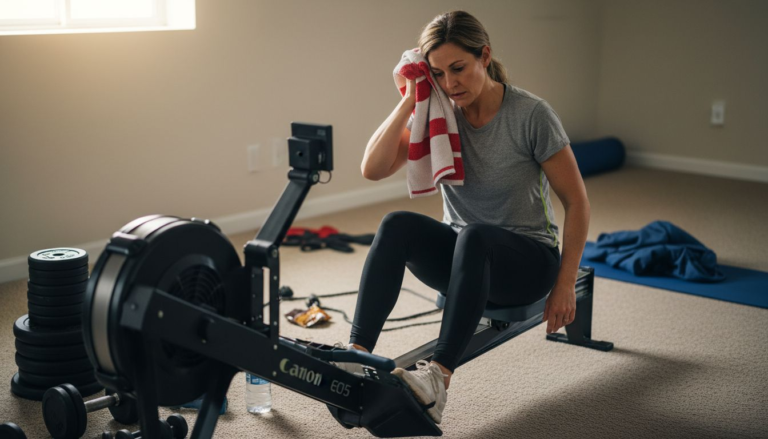
Weight loss plateaus explained with science-backed tips, causes, key body changes, and evidence-based solutions to get results moving again.
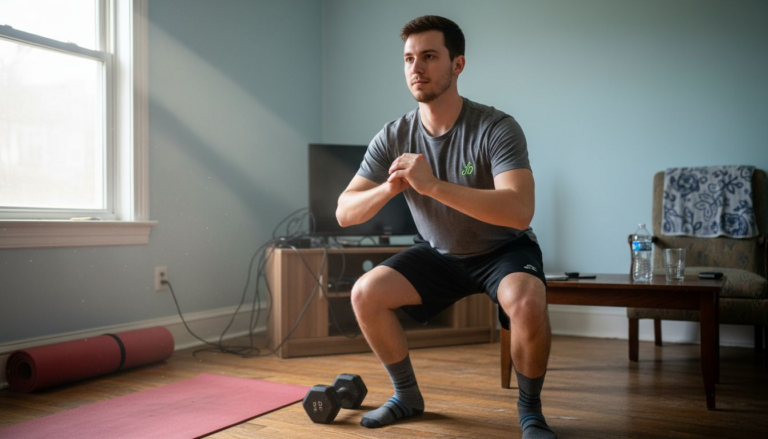
Discover step-by-step beginner workout routines that guide you from preparation to progress tracking, making fitness accessible and achievable for anyone starting out.
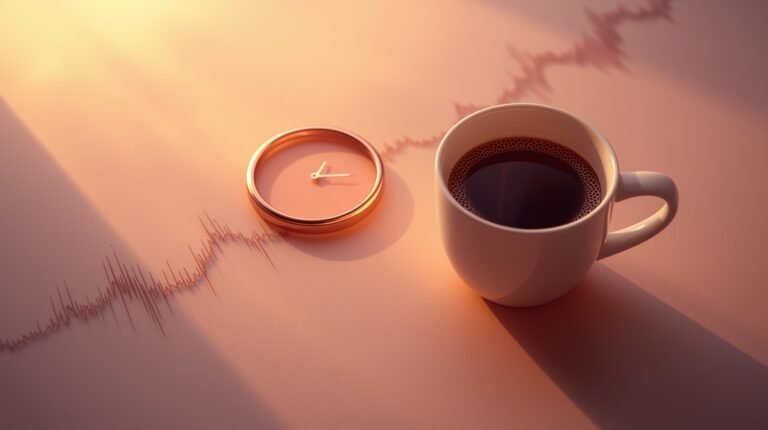
Ever wondered how long does 200mg of caffeine last or why you still feel wired hours later? Caffeine can stay in your system far longer than most people realize. On average, it takes 6–8 hours for caffeine to wear off, but for some, the effects can linger up to 24 hours. Factors like metabolism, age, and sensitivity play a major role. If you’re asking how to get caffeine out of your system ASAP, hydration, light exercise, and proper sleep can help your body flush it faster. Understanding how long caffeine lasts in your system empowers you to avoid jitters, anxiety, and sleep disruption—so you stay energized without unwanted side effects.
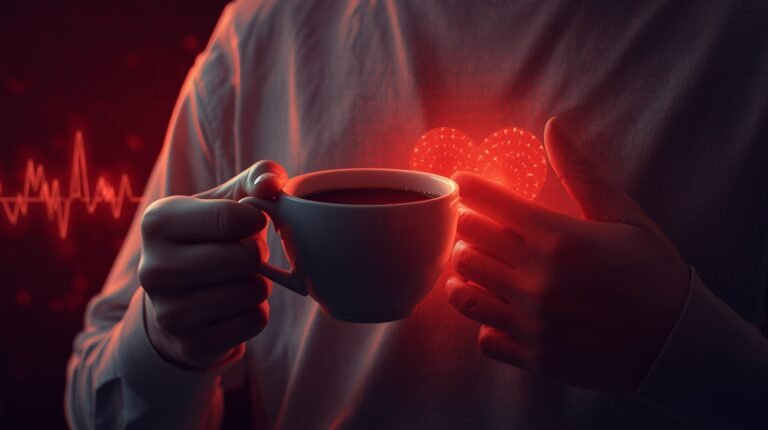
Caffeine is a powerful stimulant—but how does it really affect your heart? Many people experience caffeine heart palpitations or wonder, does caffeine increase heart rate dangerously? Coffee can temporarily stimulate the nervous system, leading to a faster heartbeat, especially in sensitive individuals. This raises an important question: is coffee good for your heart or is coffee bad for your heart? Research shows moderate coffee intake may support heart health, but excess caffeine can trigger palpitations and irregular rhythms. If you’ve ever asked, can caffeine cause heart palpitations or how long does caffeine affect your heart rate, the answer depends on dosage, tolerance, and overall health. Understanding these effects helps you enjoy coffee safely while protecting your heart.

Coffee is more than just a morning pick-me-up—it’s a global ritual. But is coffee bad for you? Understanding the pros and cons of drinking coffee can empower you to enjoy it wisely. Caffeine stimulates your brain, boosting focus, alertness, and mood, while some studies suggest it may even protect against certain diseases. On the flip side, excessive coffee can thin your blood, cause insomnia, or trigger side effects in females, including hormonal imbalances or anxiety. Curious why people drink coffee despite these risks? Its rich flavor, energy boost, and mental clarity make it irresistible for millions worldwide. Learning the science behind caffeine helps you sip smartly while maximizing benefits and minimizing drawbacks.

Did you know your morning cup of coffee could do more than wake you up? Studies suggest that coffee, especially black coffee, may enhance sexual health by boosting blood flow, increasing stamina, and even improving erectile function. Curious about coffee and sex? Caffeine stimulates the central nervous system, potentially heightening arousal and performance, while countering fatigue that can affect intimacy. But does caffeine cause impotence or ED? Research indicates moderate coffee consumption may actually reduce the risk of erectile dysfunction rather than cause it. Whether it’s black coffee or your favorite latte, understanding how caffeine interacts with sexual health can empower you to maximize both pleasure and performance naturally.
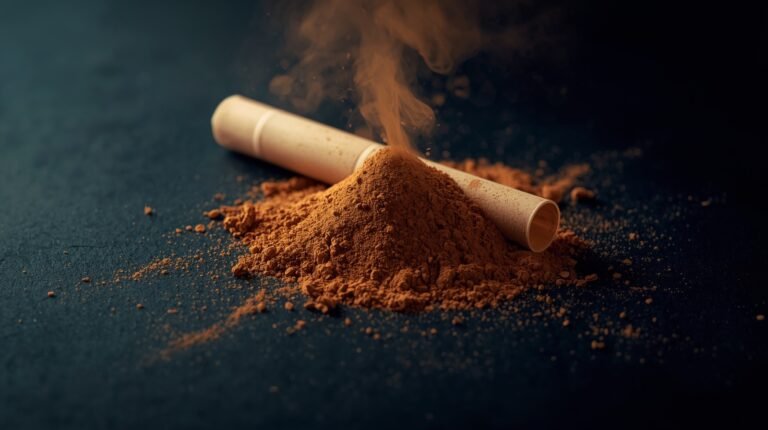
Curious about snorting caffeine? You’re not alone. Caffeine insufflation, or snorting caffeine, has gained attention online as a “fast” energy hack—but the truth is far more alarming. People try crushing caffeine pills or powdered caffeine to skip coffee and feel an instant rush. While it may sound tempting, snorting caffeine is risky, with dangers including nasal damage, irregular heartbeats, and potential overdose. This guide dives into the science behind caffeine insufflation, why it doesn’t work the way internet myths claim, and the real risks lurking behind this extreme trend. Learn the shocking facts about snorting caffeine and why sticking to safer methods of caffeine consumption is crucial for your health.

Learn what superfoods really are, science-backed benefits, popular examples, and how to make them part of balanced, tech-supported meal plans.

Ever wondered how much espresso is too much, or asked how many espresso shots will kill you? With coffee culture booming, it’s easy to lose track of safe limits. Many people also question how many cups of coffee is too much and whether caffeine affects everyone differently. The truth is, safe intake depends heavily on your body weight. This guide breaks down caffeine limits by weight, explains the maximum caffeine per day by weight, and outlines safe caffeine consumption by weight using clear examples. You’ll learn the warning signs of overconsumption, realistic daily limits, and how to enjoy espresso safely without risking your health. Eye-opening, practical, and science-backed—this is everything coffee lovers need to know before their next shot.