
Effective Home Workouts: Science-Backed Results Anywhere
Effective home workouts deliver results with no gym needed. Explore proven methods, essential types, safety tips, and common mistakes to avoid.
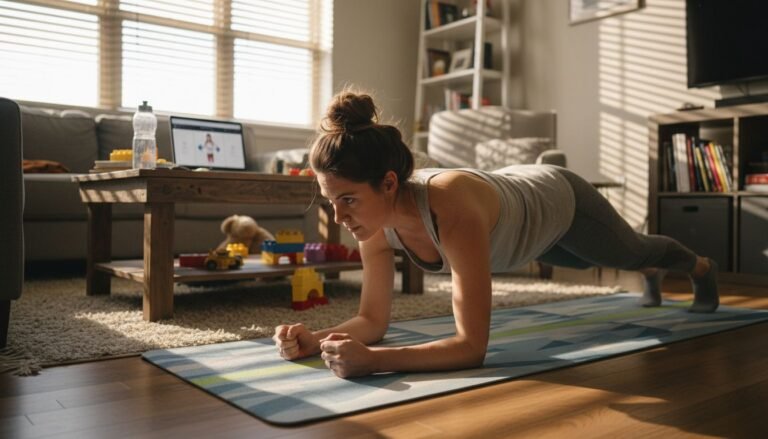
Effective home workouts deliver results with no gym needed. Explore proven methods, essential types, safety tips, and common mistakes to avoid.
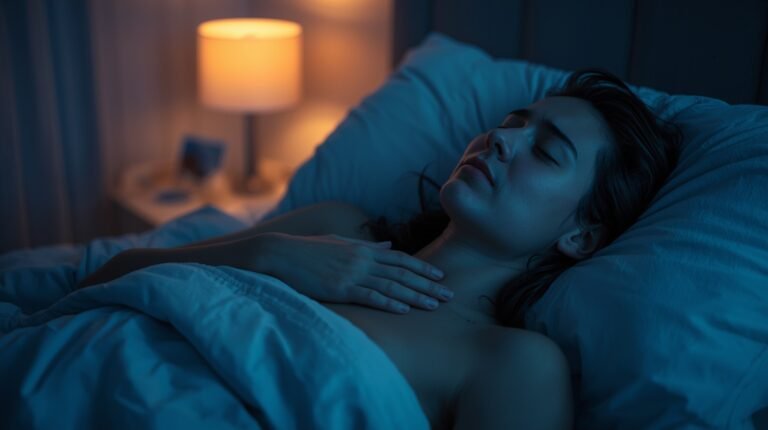
Can sleep apnea cause chest pain? If you wake up with chest tightness or discomfort, especially after a restless night of sleep, the answer could be yes. While most people associate sleep apnea with snoring or daytime drowsiness, many don’t realize that the lack of oxygen during sleep can put immense strain on your heart, leading to chest pain or soreness. This chest discomfort may occur even if you don’t snore, and it can be a sign that your body is struggling to get enough oxygen while you sleep. Left untreated, sleep apnea can worsen your heart health and lead to more serious cardiovascular problems. Learn how sleep apnea leads to chest pain and the best treatments to regain your health.
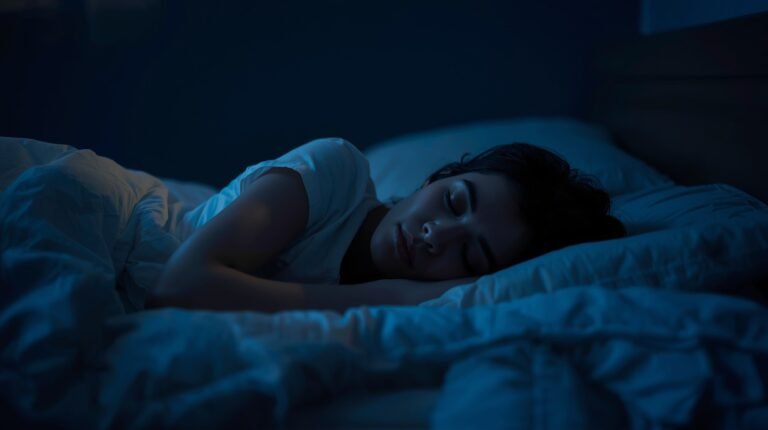
Silent sleep apnea, also known as apnea without snoring, can have serious health consequences without ever making a sound. While regular sleep apnea is often identified by loud snoring, silent sleep apnea sneaks under the radar, quietly disturbing your sleep and oxygen levels. This condition can lead to severe daytime fatigue, morning headaches, and cognitive issues, all while your body is deprived of the restorative sleep it needs. The lack of snoring often delays diagnosis, allowing the condition to worsen and increase the risk of heart disease, hypertension, and even cognitive impairment. Understanding and treating silent sleep apnea is crucial for improving your sleep, energy, and overall health.
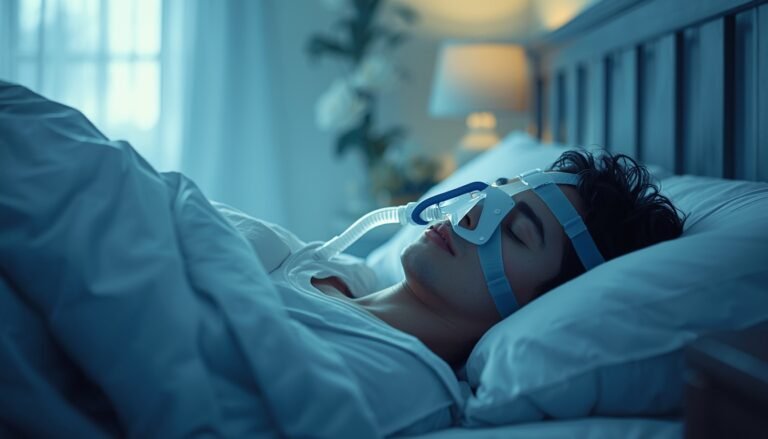
Sleep apnea can significantly impact your health and life expectancy, but with proper treatment, you can extend your lifespan and improve your overall quality of life. Untreated sleep apnea can reduce life expectancy by 5-10 years due to the increased risk of cardiovascular diseases, strokes, and metabolic issues. However, with consistent treatment like CPAP therapy, lifestyle changes, and, in some cases, surgery, many individuals can regain their health and normalize their sleep apnea life expectancy. This guide explores the effects of sleep apnea on lifespan, comparing mild to severe cases, and provides expert advice on how to effectively manage the condition to live a longer, healthier life.
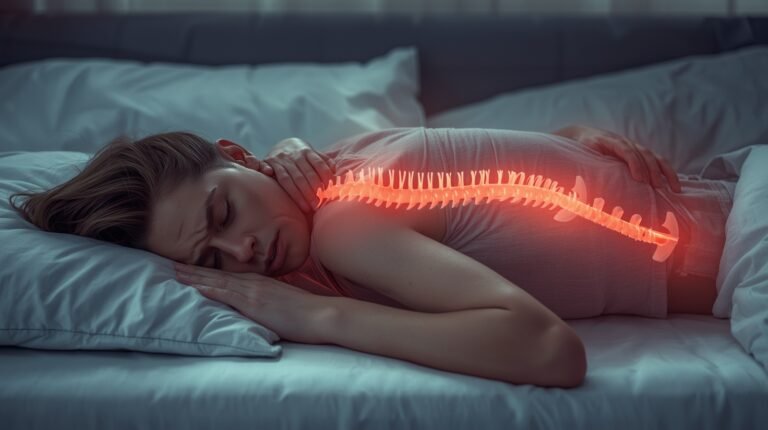
Sleeping on your stomach may feel comfortable, but it can lead to long-term pain and discomfort. If you’re a stomach sleeper, you may wake up with neck, back, or joint strain due to poor alignment. The twisting of your neck and the pressure on your lower back can cause chronic aches, stiffness, and even disrupt sleep quality. But don’t worry—simple adjustments like using the right pillows, stretching, and modifying your sleep position can help alleviate discomfort and protect your spine. In this guide, we’ll explore why stomach sleeping causes pain, how to fix back pain from sleeping on your stomach, and the best strategies for improving your sleep health without sacrificing comfort.
position for lower back pain is essential to waking up refreshed, without the stiffness and soreness that many experience. Whether you’re a stomach sleeper, side sleeper, or back sleeper, your sleeping posture significantly influences spinal alignment and muscle tension. Proper positioning can alleviate pressure on the lumbar discs and reduce muscle strain. This guide will explore the best sleeping positions, including the use of pillows under the lower back, knees, or between your legs, and offer expert tips on modifying your sleep routine to promote comfort and long-term relief from back pain. Say goodbye to restless nights and hello to restorative sleep!
Becoming a light sleeper may seem like an impossible feat, but it can actually be a highly beneficial skill. Whether you want to develop better alertness or simply find it hard to stay asleep, understanding how to manage your sleep cycles is key. A light sleeper is sensitive to environmental changes like sound, temperature, and light—traits that could be leveraged to your advantage for increased awareness and responsiveness. In this guide, we explore how to intentionally cultivate light sleeping habits, whether you’re looking for ways to reduce sensitivity or make the most of your alertness. Learn the techniques, tips, and lifestyle changes that will help you become a more effective light sleeper, and optimize your sleep for better health and productivity.
practical, safe, and effective techniques on how to wake up a deep sleeper without causing disruption. Whether it’s through gradual stimulation, strategic alarms, or environmental cues, you’ll learn how to help even the soundest sleepers rise and shine. Say goodbye to loud noises and frantic attempts—discover the best methods to ensure a peaceful wake-up for the deepest sleepers. Wake up refreshed, not startled!
Sleep is essential for your health, energy, and overall well-being, yet millions struggle with poor sleep habits without realizing the long-term consequences. A sleep habits test can help you identify disruptive behaviors, understand how much sleep you really need, and recognize underlying sleep disorders like insomnia or sleep apnea. Whether you’re wondering about your ideal sleep duration or suspecting a sleep disorder, taking a sleep deprivation test or a sleep disorder test can give you valuable insights into how your sleep is impacting your physical and mental health. In this guide, we’ll walk you through the key tests, quizzes, and tips to optimize your sleep, boost your energy, and improve your daily performance.
Lack of sleep does more than just make you feel groggy or irritable—it can seriously affect your health. In extreme cases, sleep deprivation may cause fainting or even pass-out sleep. Your brain, heart, and nervous system rely on sleep for regulation and restoration. Without it, they become overstressed and malfunction. As blood pressure drops, brain function slows, and hormones go haywire, the risk of passing out increases. While fainting due to sleep loss is rare, the consequences of chronic sleep deprivation can be dire, including dizziness, fatigue, and cognitive impairment. This guide dives into the science behind fainting from lack of sleep, why it happens, and how to prevent it before it harms your well-being.